In day trading, understanding different types of trading instruments, brokers, or platforms is critical for strategy development and risk management. NDOG (short for “New Dog” or a hypothetical emerging brokerage/tool) and ORG (short for “Organization” or an established platform) can represent contrasting approaches in day trading, including technology, fees, and user experience. This article explores the differences, advantages, disadvantages, and strategic implications of NDOG versus ORG for day traders.
Understanding NDOG and ORG
NDOG: Typically represents a newer, innovative, or emerging trading platform or tool. These platforms often focus on modern technology, low fees, and rapid deployment of new features.
ORG: Represents established, traditional, or institutional trading platforms. These platforms emphasize stability, regulatory compliance, extensive research tools, and a broad user base.
Key factors distinguishing the two include:
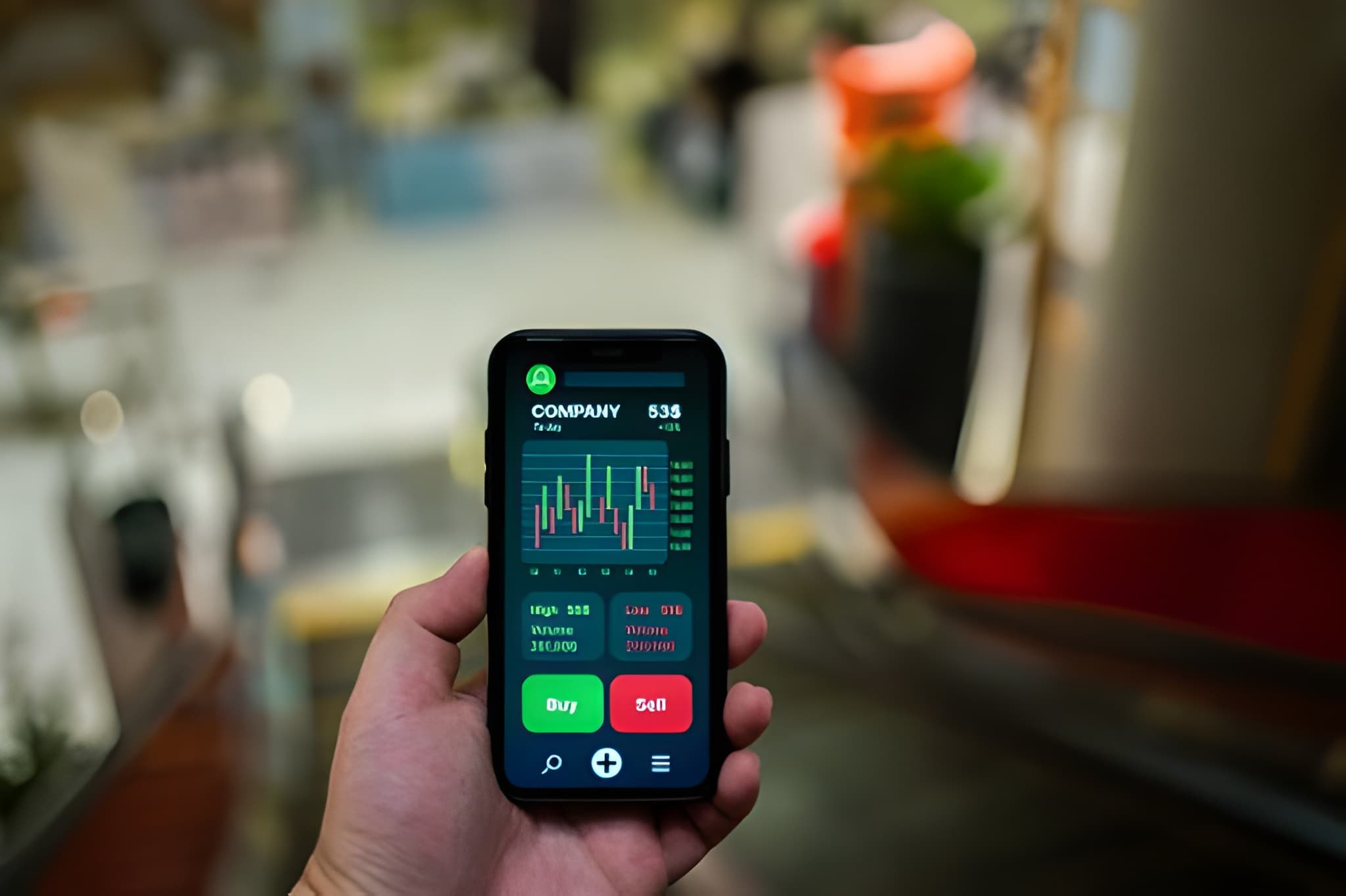
- Technology & Interface: NDOG often has a more intuitive interface, advanced mobile apps, and experimental AI or algorithmic trading features. ORG platforms prioritize reliability, deep research capabilities, and integration with professional tools.
- Fees & Commissions: NDOG may offer lower fees to attract new traders. ORG may have higher fees but compensate with superior execution speed, research, and customer support.
- Market Access: ORG often supports a wider range of markets, including international equities, futures, and options. NDOG may focus on a limited but high-liquidity market segment.
Features Comparison
| Feature | NDOG | ORG |
|---|---|---|
| Platform Interface | Modern, user-friendly, mobile-optimized | Traditional, stable, professional-grade |
| Commissions / Fees | Low or zero trading fees | Moderate fees with volume-based discounts |
| Market Access | Select markets, high liquidity stocks | Wide range: stocks, options, futures, ETFs |
| Research Tools | Basic charts, AI signals, community insights | Advanced analytics, research reports, screeners |
| Customer Support | Chatbots, online help | Phone, email, dedicated account managers |
| Risk Management Features | Automated stop-loss, alerts | Comprehensive risk dashboards, alerts, and reports |
| Innovation & Updates | Frequent feature updates, beta tools | Stable, slower updates, but highly reliable |
Strategies on NDOG vs ORG
- Momentum Trading
- NDOG: Leverage AI-based alerts for short-term spikes.
- ORG: Use extensive research reports and volume analysis to confirm momentum trades.
- Scalping
- NDOG: Quick execution via intuitive app for small intraday profits.
- ORG: Use advanced order types and market depth analysis to optimize entry/exit.
- Breakout Trading
- NDOG: Monitor trending stocks with automated alerts.
- ORG: Confirm breakouts with historical volatility and institutional-level charts.
- Reversal Trading
- NDOG: AI or community insights indicate oversold/overbought conditions.
- ORG: Technical indicators like RSI, Bollinger Bands, and stochastic oscillators guide decisions.
Advantages and Disadvantages
| Aspect | NDOG Advantages | NDOG Disadvantages | ORG Advantages | ORG Disadvantages |
|---|---|---|---|---|
| Speed & Accessibility | Quick, mobile-optimized, intuitive | Limited market access, potential bugs | Reliable execution, professional-grade tools | Slower interface updates, steeper learning curve |
| Fees | Lower fees, attractive for beginners | Less comprehensive tools | Robust features and research | Higher fees, especially for small accounts |
| Innovation | Early adoption of AI, automated strategies | Experimental features may fail | Stable, trusted, comprehensive analytics | Less innovative, slower adoption of new tech |
| Risk Management | Automated alerts, simple stop-loss | Fewer advanced risk dashboards | Detailed risk monitoring, customizable alerts | Complex for beginners |
Practical Considerations
- Beginner Traders: NDOG may be preferable due to ease of use, lower fees, and simplified tools.
- Experienced Traders: ORG suits professionals who require deep research, institutional-grade execution, and broad market access.
- Hybrid Approach: Some traders may use NDOG for rapid intraday trades and ORG for planning or hedging strategies.
Conclusion
Choosing between NDOG and ORG in day trading depends on a trader’s experience, strategy, and market needs. NDOG offers speed, innovation, and accessibility, making it appealing for beginners and tech-savvy traders. ORG provides stability, advanced analytics, and professional-grade tools, suiting experienced traders who value comprehensive market insights and reliability. Understanding the trade-offs and aligning the platform choice with your strategy and risk tolerance is crucial for successful day trading.