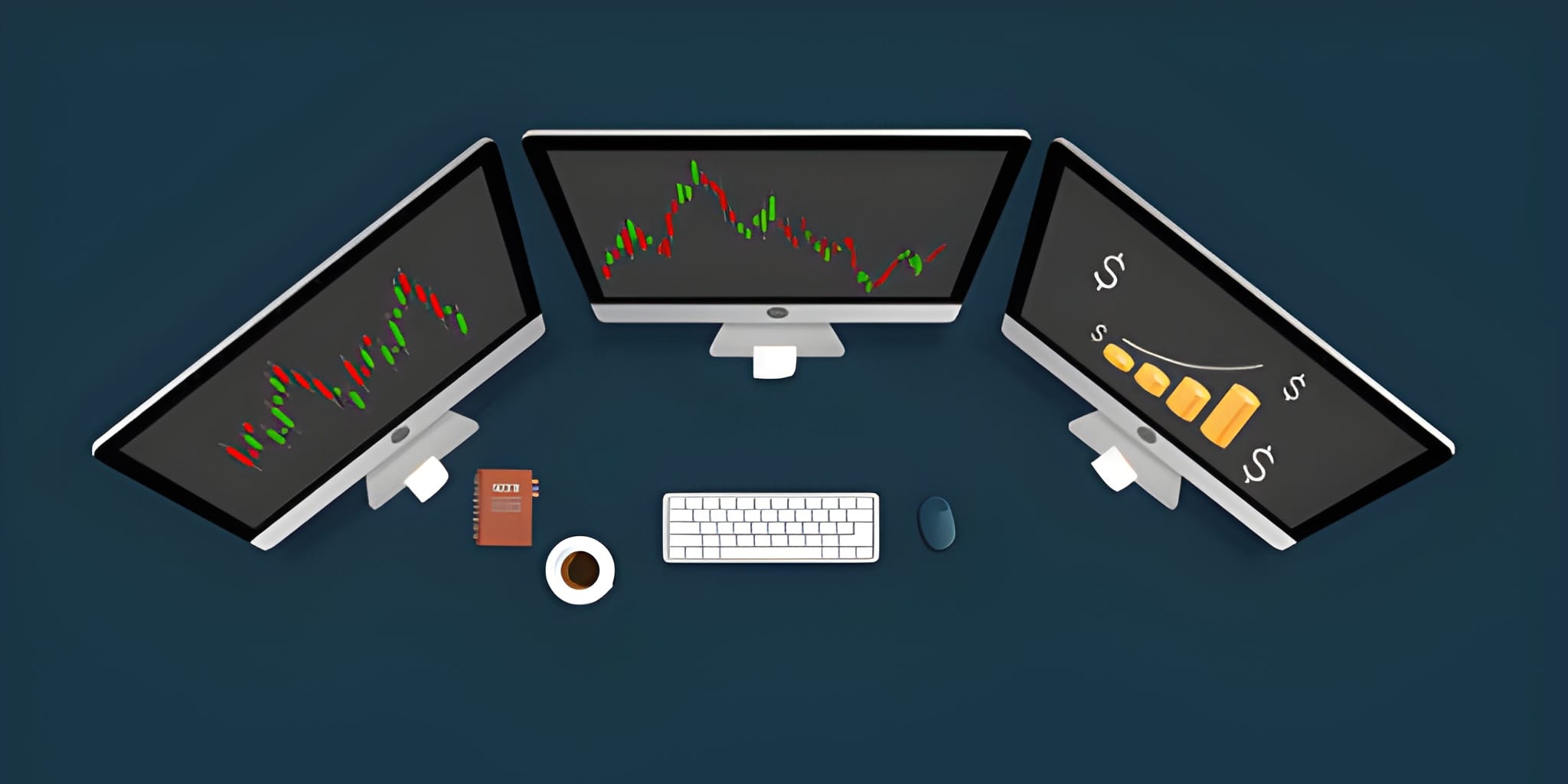
Learning day trading involves understanding how to buy and sell financial instruments—stocks, ETFs, options, futures, or cryptocurrencies—within the same trading day to capitalize on short-term price movements. Developing proficiency requires a combination of knowledge, practice, and disciplined risk management. This article explores the steps, strategies, tools, and educational resources essential for learning day trading effectively.
Understanding Day Trading
Day trading focuses on intraday price fluctuations, with positions typically opened and closed within the same day. Key characteristics include:
- High Frequency: Multiple trades per day.
- Short Holding Period: Positions held from seconds to hours.
- Active Monitoring: Traders use real-time market data, charts, and news.
- Technical Analysis Reliance: Decisions are primarily based on price charts, indicators, and patterns.
Advantages:
- Opportunity for quick profits due to intraday volatility.
- Flexibility to trade multiple securities in one day.
- Avoid overnight market risk.
Challenges:
- Emotional stress due to rapid price movements.
- High transaction costs from frequent trades.
- Requires discipline, technical expertise, and risk management.
Steps to Learn Day Trading
- Education and Research
- Understand market mechanics, order types, and trading platforms.
- Study technical analysis, chart patterns, indicators (RSI, MACD, Bollinger Bands), and candlestick formations.
- Choose a Trading Platform
- Platforms with charting tools, real-time quotes, and risk management features are essential.
- Examples: ThinkorSwim, Interactive Brokers, TradingView, Webull.
- Develop a Strategy
- Common day trading strategies:
- Scalping: Quick trades for small profits.
- Momentum Trading: Exploit strong price movement.
- Breakout Trading: Enter trades when prices surpass key support/resistance.
- Reversal Trading: Trade against short-term extremes using indicators.
- Common day trading strategies:
- Practice with Paper Trading
- Use simulators to practice strategies without risking real capital.
- Evaluate entry and exit points, position sizing, and stop-loss placement.
- Risk Management
- Always define risk per trade and daily loss limits.
- Use stop-loss and take-profit orders to protect capital.
Tools and Resources for Learning
| Tool / Resource | Purpose | Example |
|---|---|---|
| Trading Platform | Execute trades, analyze charts, track P&L | ThinkorSwim, Interactive Brokers, Webull |
| Paper Trading / Simulator | Practice strategies without real capital | TradingView Paper Trading, TD PaperMoney |
| Technical Analysis Software | Indicators, patterns, charting tools | RSI, MACD, Bollinger Bands |
| Educational Resources | Courses, webinars, books | Investopedia, Coursera, Udemy, YouTube tutorials |
| Trading Journal | Track trades, outcomes, and mistakes | Excel, Google Sheets, or dedicated apps |
Example of Learning through Practice
- Strategy: Momentum Trading
- Starting Capital: $10,000 (simulated)
- Trade 1: Buy 100 shares at $50 → Sell at $53 → Profit: \text{Profit} = (53 - 50) \times 100 = 300
- Trade 2: Buy 50 shares at $100 → Sell at $95 → Loss: \text{Loss} = (100 - 95) \times 50 = 250
- Net Gain: 300 - 250 = 50
Practicing repeated simulations allows learners to refine entry/exit rules, position sizing, and risk management before trading with real capital.
Tips for Beginners
- Start Small: Use simulated capital or small amounts initially.
- Focus on a Few Strategies: Master one or two before expanding.
- Maintain a Trading Journal: Track strategies, outcomes, and mistakes.
- Stay Educated: Follow market news, webinars, and updated courses.
- Control Emotions: Stick to strategy and risk limits, avoiding impulsive trades.
Conclusion
Learning day trading is a structured process requiring education, practice, and discipline. By mastering technical analysis, understanding market behavior, practicing with simulators, and employing strong risk management, aspiring traders can build the skills and confidence needed to trade profitably. Consistent practice, record-keeping, and continuous learning are key to success in the dynamic environment of day trading.