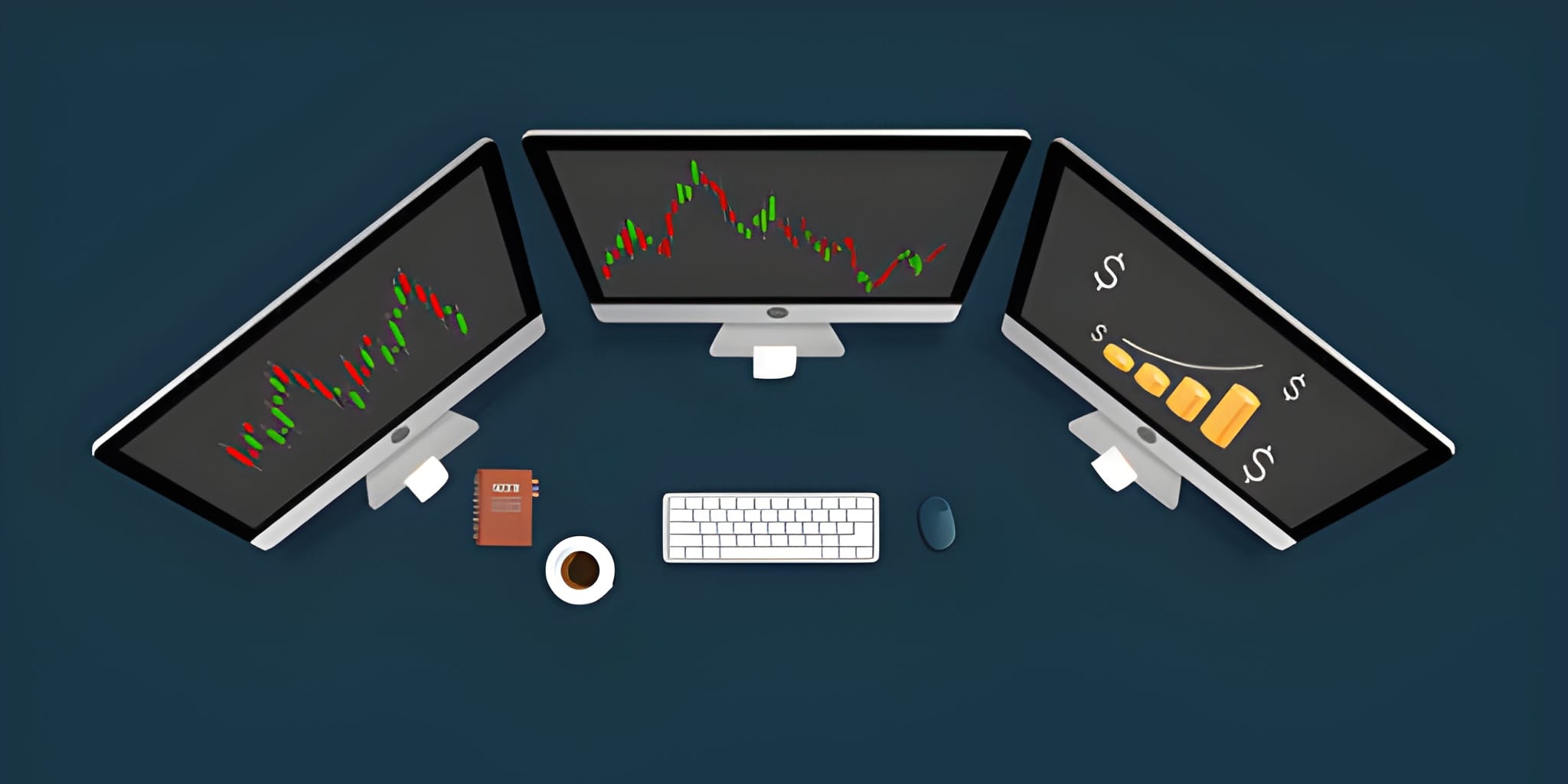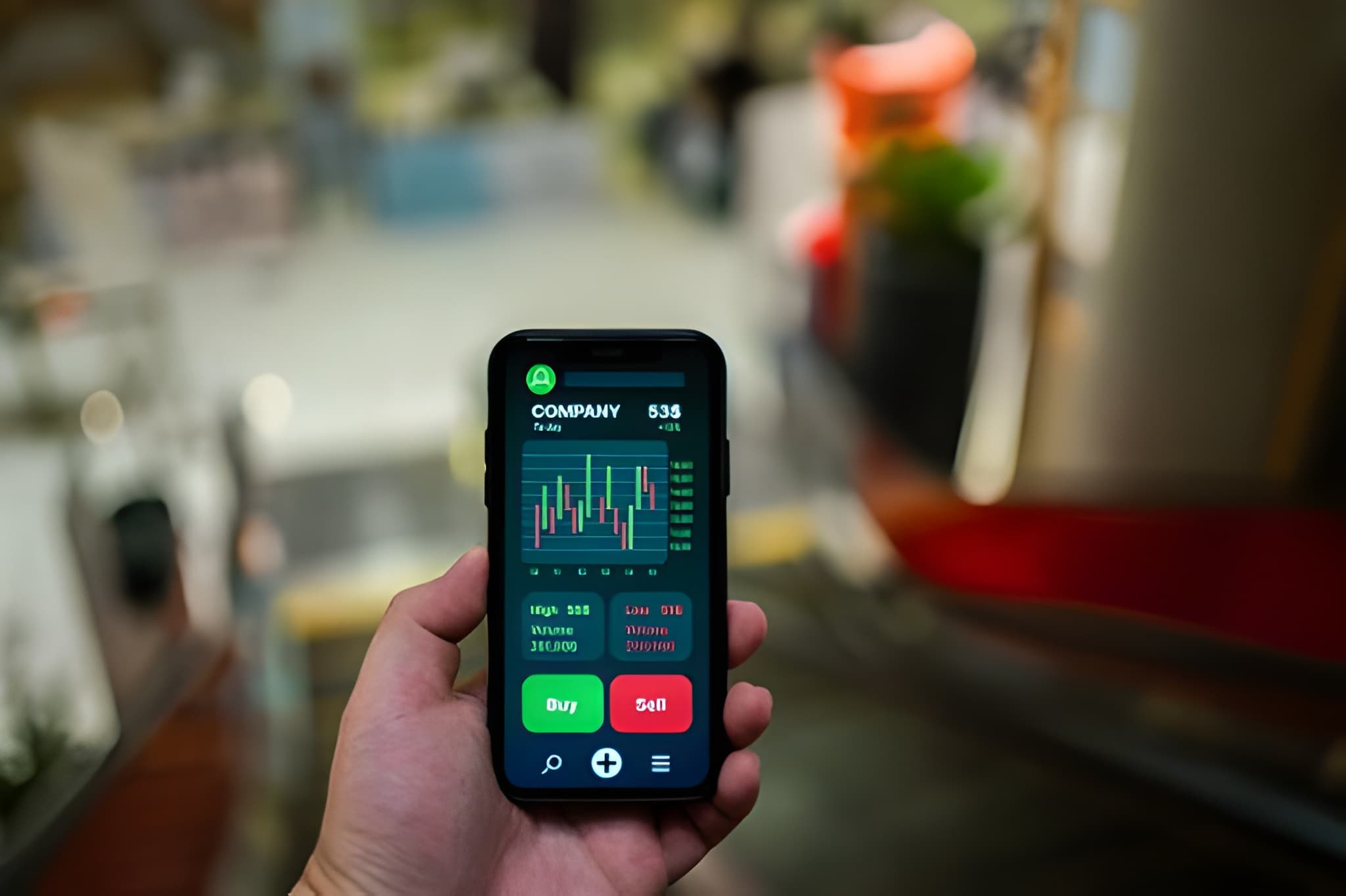
Day trading requires an extraordinary level of attention and mental discipline. Unlike long-term investing, where decisions can be made over days, weeks, or months, day trading demands rapid analysis, precise execution, and constant monitoring of market movements. Understanding how attention affects trading performance is critical for minimizing mistakes, controlling risk, and improving profitability.
Understanding Attention in Day Trading
Attention in day trading refers to the trader’s ability to process real-time market information, maintain focus, and respond appropriately under pressure. High cognitive load and constant decision-making make attentional control a key factor in success.
Key characteristics:
- Sustained Focus: Continuously monitor multiple assets, charts, and indicators without losing concentration.
- Selective Attention: Filter irrelevant market noise to focus on signals that matter.
- Divided Attention: Manage multiple tasks simultaneously, such as analyzing charts while placing trades.
- Rapid Decision-Making: Quickly interpret signals and execute trades in fast-moving markets.
Importance of Attention in Day Trading
- Risk Management: Inattention can result in missed stop-loss triggers or delayed reaction to sudden market moves.
- Trade Accuracy: Focused attention ensures entry and exit points are executed according to plan.
- Emotional Control: High attentional control reduces impulsive decisions influenced by fear or greed.
- Efficiency: Efficient allocation of mental resources allows monitoring of multiple charts, news feeds, and indicators simultaneously.
Strategies to Improve Attention for Day Trading
| Strategy | Description | Practical Application |
|---|---|---|
| Scheduled Breaks | Short intervals to prevent fatigue | 5-minute break every hour of trading |
| Pre-Defined Trading Plan | Reduces decision fatigue by following set rules | Entry, exit, and stop-loss predetermined |
| Minimize Distractions | Eliminate notifications, unnecessary tabs, and noise | Dedicated trading workspace |
| Mindfulness and Focus Exercises | Improve cognitive control and stress management | Meditation or breathing exercises before sessions |
| Use Alerts and Automation | Leverage trading platform alerts for key signals | Price triggers or technical indicator notifications |
| Prioritize High-Probability Trades | Avoid overtrading and decision overload | Focus only on setups meeting strict criteria |
Attention Management During Live Trading
- Pre-Market Preparation: Review charts, news, and potential setups before market opens.
- Segmented Trading Windows: Focus on the most volatile and liquid hours, such as market open and close.
- Monitor One or Two Markets: Avoid splitting attention across too many assets simultaneously.
- Automate Routine Tasks: Use alerts, pre-set orders, and stop-losses to reduce cognitive load.
- Post-Trade Review: Analyze trades immediately after the session to identify lapses in attention or mistakes.
Practical Example
- Scenario: A trader monitors AAPL and TSLA intraday charts.
- Attention Strategy: Set alerts for 20-MA crossover and RSI > 70, take 5-minute micro-breaks every hour, and follow a pre-defined entry and exit plan.
- Outcome: Avoids impulsive trades during volatility spikes and executes planned trades accurately, achieving consistent intraday gains.
Conclusion
Attention is one of the most critical factors in successful day trading. Traders who cultivate sustained, selective, and divided attention can make better decisions, manage risk, and maintain emotional control under pressure. Combining mental strategies, structured routines, automation, and focused practice enhances cognitive performance and allows day traders to navigate fast-paced markets effectively. Developing attentional discipline is as important as mastering technical analysis or trading strategies in achieving consistent profitability.