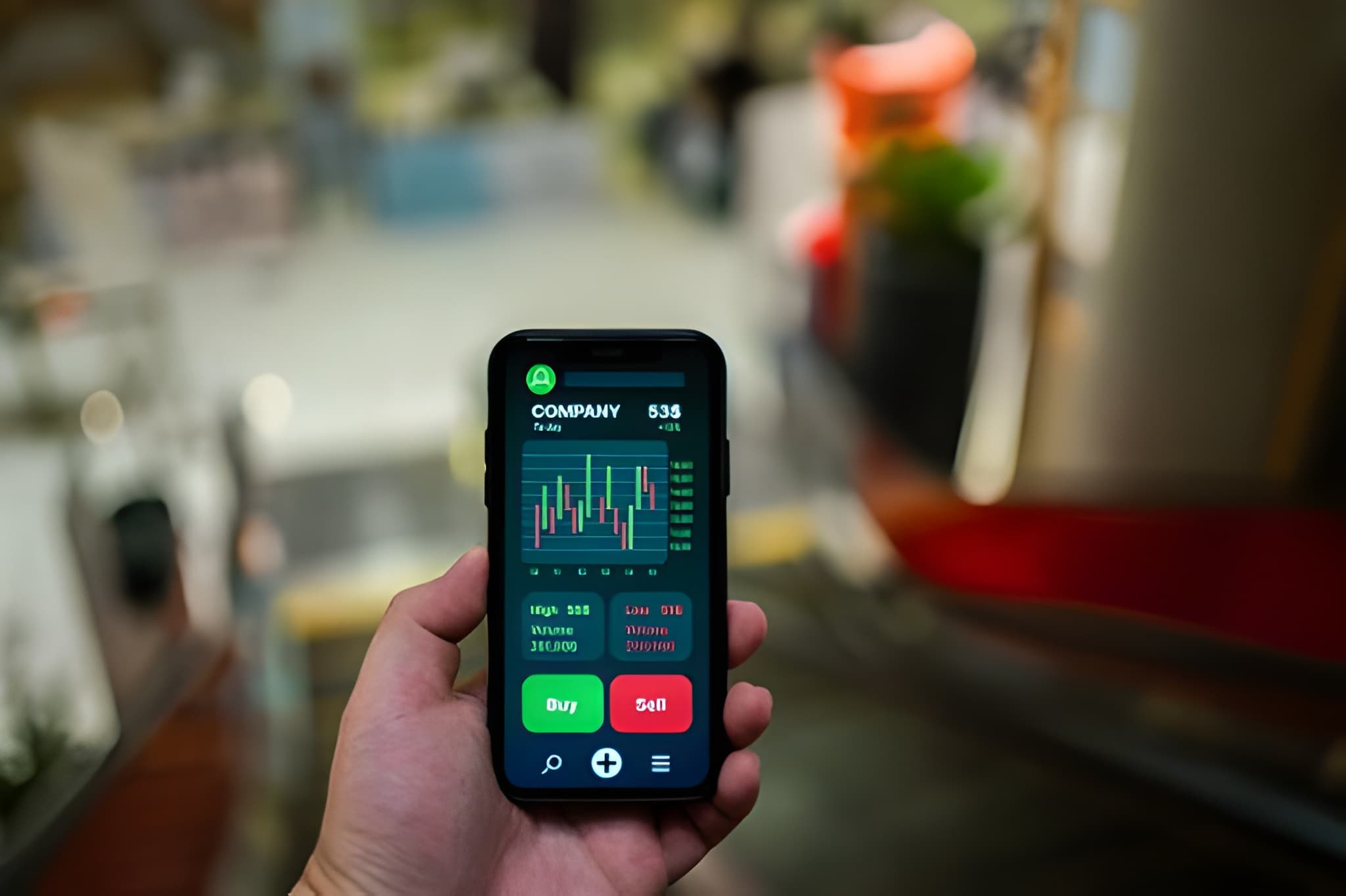
Day trading is entirely legal in most countries, including the United States, the United Kingdom, Canada, Australia, and the European Union, as long as traders follow the regulations set by financial authorities. Legal day trading involves buying and selling financial instruments—stocks, ETFs, options, futures, or cryptocurrencies—within the same trading day with the goal of profiting from short-term price movements.
Legal Framework for Day Trading
- United States
- Regulated by the Securities and Exchange Commission (SEC) and Financial Industry Regulatory Authority (FINRA).
- Traders using a margin account are subject to Pattern Day Trader (PDT) rules, which require a minimum equity of $25,000 if executing four or more day trades within five business days.
- Cash accounts are not subject to PDT rules but may have settlement period limitations.
- United Kingdom
- Regulated by the Financial Conduct Authority (FCA).
- Day trading is legal for retail and professional traders, but brokers must follow strict rules regarding leverage, risk disclosures, and client protection.
- Canada
- Regulated by provincial securities commissions and the Investment Industry Regulatory Organization of Canada (IIROC).
- Day trading is allowed, and margin accounts follow guidelines similar to U.S. PDT rules.
- Australia
- Regulated by the Australian Securities and Investments Commission (ASIC).
- Day trading is legal but subject to regulations on leverage, disclosure, and financial advice compliance.
- European Union
- Each country has its own financial authority (e.g., BaFin in Germany, AMF in France).
- Day trading is legal, but retail traders are limited in leverage and must follow rules on risk warnings and transparency.
Compliance Requirements
| Requirement | Purpose | Example |
|---|---|---|
| Minimum Equity (PDT in US) | Ensures sufficient capital for active trading | $25,000 in margin account |
| Margin and Leverage Limits | Controls risk exposure | 2:1 intraday leverage for stocks |
| Record-Keeping | Tracks trades for tax and regulatory reporting | Maintain trade logs and confirmations |
| Risk Disclosure | Informs clients of potential losses | Broker provides disclosure forms |
| Anti-Fraud and Market Manipulation | Protects market integrity | Insider trading and pump-and-dump schemes prohibited |
Taxes and Legal Considerations
- Income Reporting: Profits from day trading are taxable as capital gains or ordinary income depending on the jurisdiction.
- Pattern Day Traders: May have to file specific forms for margin trading or frequent trading activity.
- Cryptocurrency: Some countries treat crypto day trading as taxable gains.
Risks of Illegal Activity
While day trading itself is legal, certain practices are illegal:
- Insider Trading: Trading based on non-public material information.
- Market Manipulation: Pump-and-dump schemes or spoofing orders.
- Unlicensed Trading Services: Providing day trading advice or pooled funds without proper registration.
Conclusion
Day trading is legal when conducted within the regulatory frameworks of the trader’s country. Legal compliance involves understanding account types, leverage limits, reporting requirements, and anti-fraud rules. Traders must ensure they follow pattern day trading rules (if applicable), report profits for taxation, and avoid manipulative or illegal market activities. With proper knowledge and adherence to regulations, day trading can be a legitimate and structured way to engage in short-term financial markets.