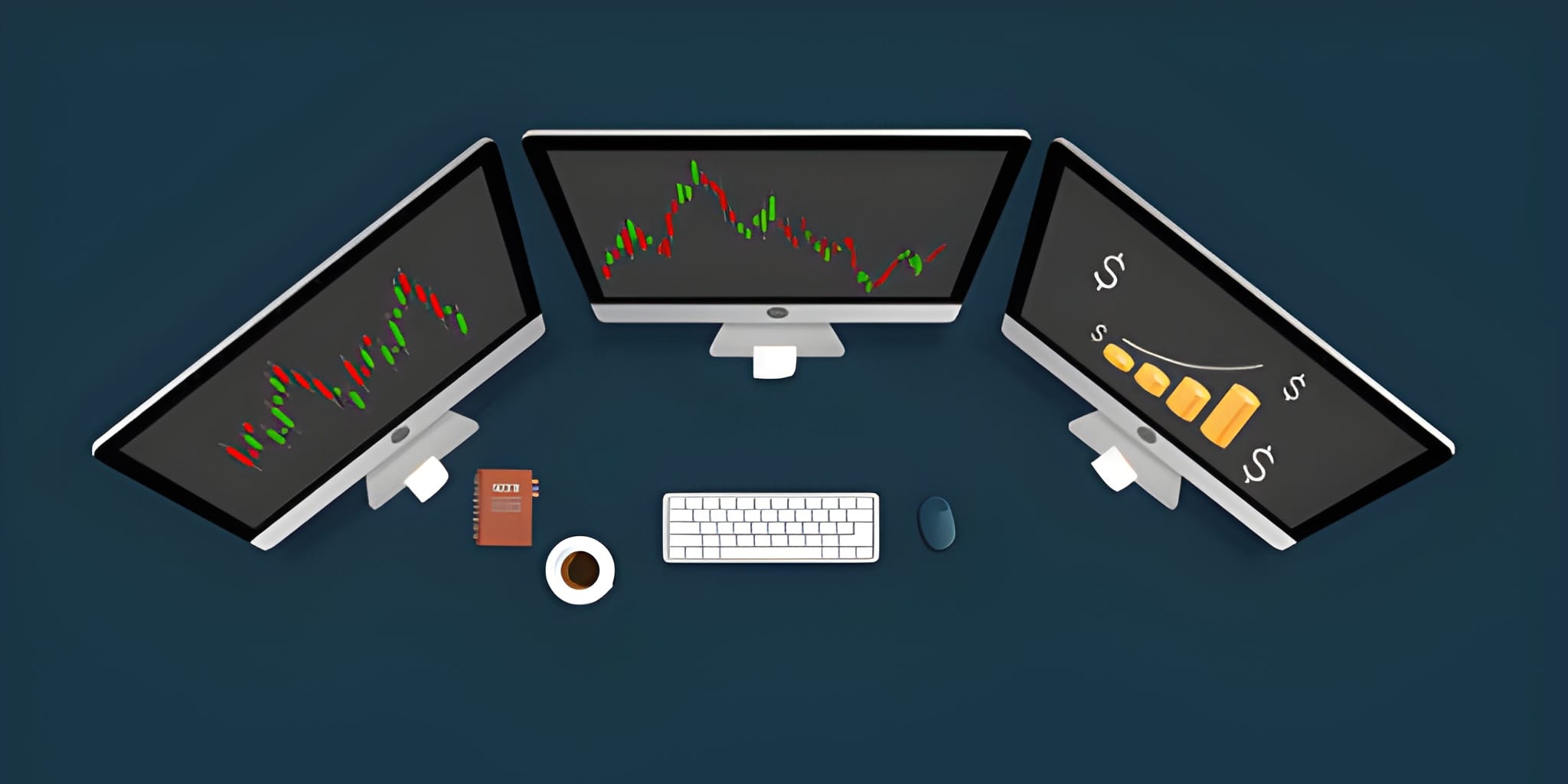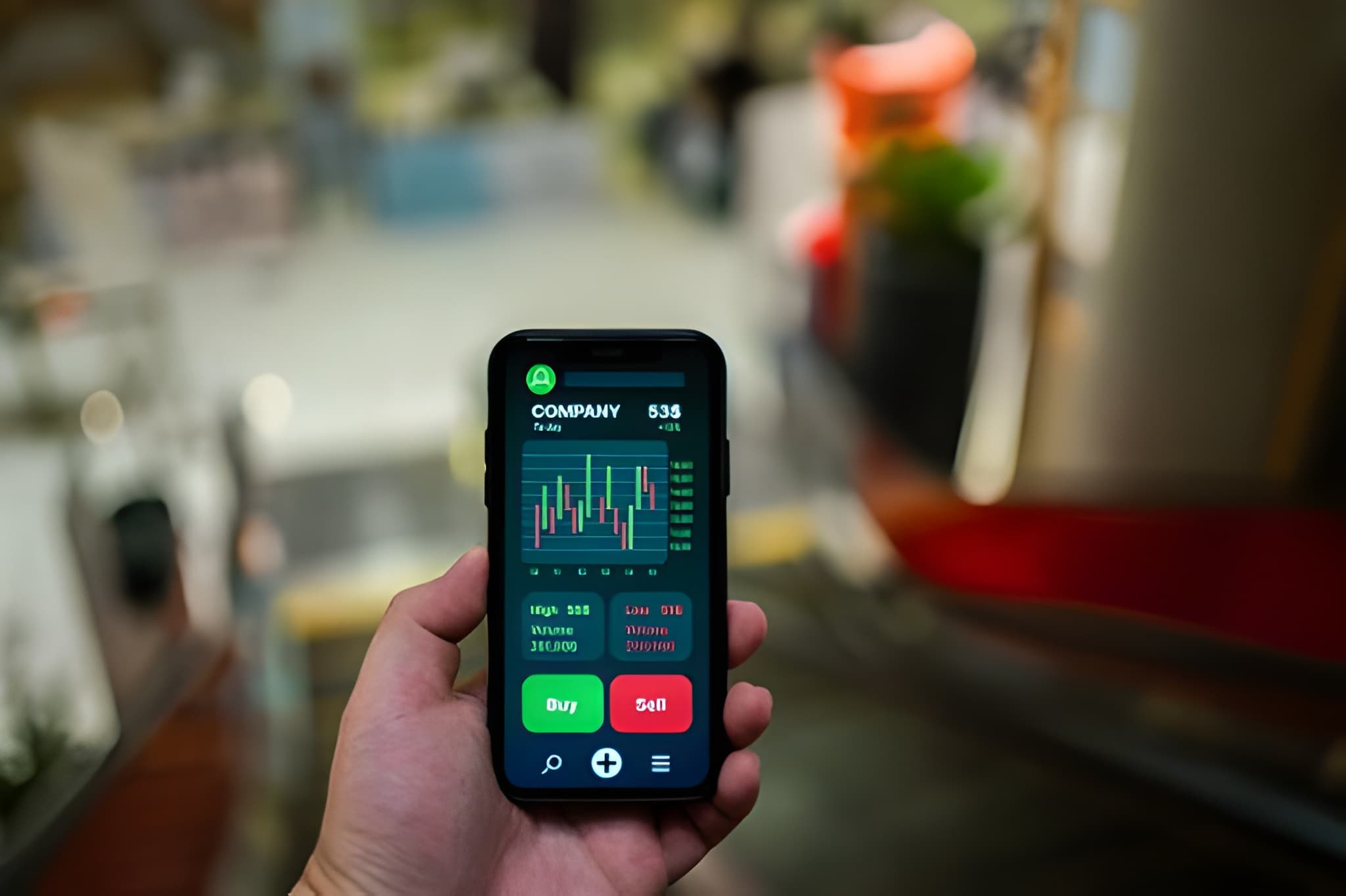
Day trading is a style of trading where traders buy and sell financial instruments—stocks, ETFs, options, futures, or cryptocurrencies—within the same trading day to profit from short-term price movements. The goal is to take advantage of intraday volatility, technical patterns, and market trends without holding positions overnight. Understanding how day trading works is essential to develop effective strategies and manage risk.
Understanding Day Trading
Day traders focus on intraday price fluctuations, often closing all positions before the market closes. Key characteristics include:
- High Frequency: Traders often make multiple trades per day.
- Short Holding Period: Positions are held from seconds to hours, rarely overnight.
- Active Monitoring: Traders track real-time market data, charts, and news.
- Technical Analysis Reliance: Decisions are primarily based on price charts, indicators, and patterns.
Advantages:
- Opportunity for quick profits due to intraday volatility.
- Flexibility to trade multiple securities in a single day.
- Avoid overnight market risk.
Challenges:
- Emotional stress due to rapid price changes.
- High transaction costs from frequent trading.
- Requires discipline, risk management, and technical expertise.
How Day Trading Works
- Selecting a Market and Instruments
Traders choose markets and instruments based on liquidity, volatility, and spread. Popular choices include:- Stocks: High-volume equities like AAPL, TSLA, and AMZN.
- Forex: Major currency pairs such as EUR/USD or GBP/USD.
- Futures: E-mini S&P 500 or crude oil contracts.
- Cryptocurrency: BTC, ETH, and high-volume altcoins.
- Analyzing the Market
Traders use technical analysis tools:- Moving averages (MA) to identify trends.
- Relative Strength Index (RSI) to detect overbought or oversold conditions.
- Bollinger Bands and MACD for momentum signals.
- Candlestick patterns to forecast short-term price movements.
- Developing a Strategy
Common day trading strategies include:- Scalping: Small, frequent trades targeting tiny price movements.
- Momentum Trading: Buying securities with strong intraday moves.
- Breakout Trading: Entering trades when price breaks key support/resistance levels.
- Reversal Trading: Trading against short-term extremes using indicators.
- Executing Trades
Traders place orders through brokerage platforms, using order types like:- Market Orders: Buy/sell immediately at current prices.
- Limit Orders: Buy/sell at a specified price or better.
- Stop-Loss Orders: Automatically exit losing trades to limit losses.
- Take-Profit Orders: Close trades when targets are reached.
- Managing Risk
Effective day trading requires strict risk management:
| Risk Control | Purpose | Example |
|---|---|---|
| Position Sizing | Limit exposure per trade | Risk 1–2% of account balance per trade |
| Stop-Loss Orders | Prevent large losses | Stop-loss at $48 for $50 entry |
| Daily Loss Limit | Avoid excessive losses | Stop trading for day if loss > $500 |
| Diversification | Spread trades across multiple assets | Trade 3–5 stocks in different sectors |
| Leverage Control | Limit risk of borrowed funds | 2:1 leverage instead of 10:1 |
- Review and Adaptation
Day traders maintain a trading journal documenting:- Entry and exit points
- Strategy effectiveness
- Profit/loss per trade
- Emotional state and mistakes
Example of a Day Trade
- Stock: ABC Corp
- Entry: Buy 100 shares at $50
- Exit: Sell at $53
- Profit: \text{Profit} = (53 - 50) \times 100 = 300
- Stop-Loss: $48 → Maximum loss: (50 - 48) \times 100 = 200
This example demonstrates how a trader capitalizes on intraday price movements while managing risk.
Tools Needed for Day Trading
| Tool / Platform | Purpose | Example |
|---|---|---|
| Trading Platform | Executes trades and provides real-time charts | ThinkorSwim, Interactive Brokers, Webull |
| Real-Time Market Data | Live quotes, Level 2 order books, and news feeds | Bloomberg Terminal, TradingView |
| Technical Analysis Software | Indicators, patterns, and charting tools | RSI, MACD, Bollinger Bands |
| Risk Management Tools | Stop-loss, take-profit, position sizing | Automated alerts or built-in broker tools |
| Paper Trading / Simulator | Practice strategies without real capital | TradingView Paper Trading, TD PaperMoney |
Tips for Beginners
- Start with Simulated Trading: Practice without risking capital.
- Focus on Liquid Assets: High-volume stocks or currency pairs reduce slippage.
- Follow a Strategy: Avoid impulsive trades; stick to tested methods.
- Maintain a Trading Journal: Track trades and refine strategies.
- Manage Risk Strictly: Never risk more than a small percentage of capital per trade.
Conclusion
Day trading works by leveraging short-term market movements to generate profits within the same trading day. It requires careful planning, technical analysis, discipline, and risk management. By combining a well-defined strategy, real-time market monitoring, and effective trade execution, traders can exploit intraday opportunities while controlling potential losses. Consistent practice, journaling, and using simulation tools are key to developing the skills necessary for successful day trading.