Introduction
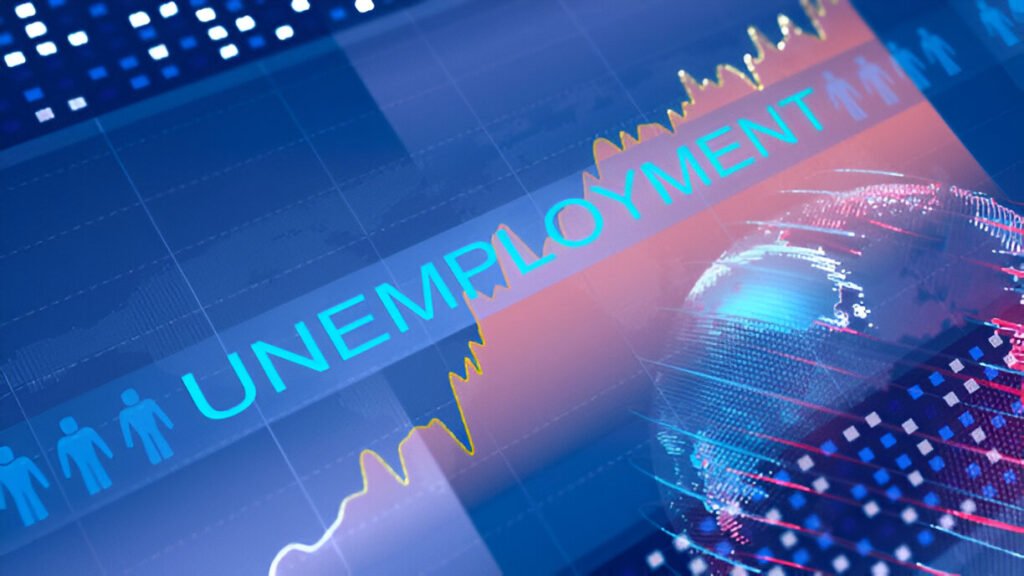
Unemployment is a crucial economic indicator that influences stock markets. As an investor, understanding the link between unemployment rates and stock market performance helps me make better investment decisions. The relationship between joblessness and equities is complex, involving macroeconomic trends, consumer behavior, business performance, and Federal Reserve policies. In this article, I will explore how unemployment impacts stock markets, provide historical insights, and use real-world data to illustrate key concepts.
Understanding the Link Between Unemployment and the Stock Market
Unemployment rates reflect the percentage of the labor force that is jobless but actively seeking work. A higher unemployment rate generally signals economic weakness, whereas lower unemployment suggests a strong economy. However, the stock market does not always react in straightforward ways. The market is forward-looking, meaning investors price in expectations rather than current data.
Key Economic Factors Influencing Stock Markets
Several factors determine how unemployment data affects stock prices:
- Consumer Spending – When unemployment is high, disposable income declines, reducing consumer demand. This weakens corporate revenues, particularly in consumer-driven sectors like retail and hospitality.
- Business Investment – Companies tend to cut back on investments and hiring when unemployment rises, slowing economic growth.
- Federal Reserve Policy – The Fed responds to unemployment trends by adjusting interest rates, which directly influences stock market performance.
- Investor Sentiment – If investors expect a worsening job market, stock prices may decline due to fears of recession.
- Inflation – The relationship between unemployment and inflation is often described by the Phillips Curve. Low unemployment can lead to higher wages and inflation, prompting the Fed to tighten monetary policy.
Historical Analysis: How Unemployment Trends Have Moved the Market
Examining historical data provides insight into how unemployment and the stock market interact. Below, I’ve compiled a table illustrating key periods of economic downturns and market responses.
Table 1: Historical Unemployment and Market Performance
| Period | Unemployment Rate (%) | S&P 500 Performance |
|---|---|---|
| Great Depression (1929-1933) | 25.0 | -80% |
| 1981-1982 Recession | 10.8 | -27% |
| Dot-Com Bubble (2001) | 5.5 | -49% |
| Financial Crisis (2008-2009) | 10.0 | -57% |
| COVID-19 Recession (2020) | 14.7 | -34% (initial drop, full recovery later) |
The Role of the Federal Reserve
The Federal Reserve plays a key role in moderating the effects of unemployment through monetary policy. When unemployment rises, the Fed typically lowers interest rates to stimulate borrowing and investment. Conversely, when unemployment is low but inflation is high, the Fed raises rates to prevent overheating.
Example: How Interest Rates Affect Stock Valuations
A lower interest rate reduces the discount rate used in stock valuation models, increasing the present value of future earnings. This is captured in the Discounted Cash Flow (DCF) model:
P = \sum \frac{CF_t}{(1+r)^t}Where:
- PP is the present stock price
- CFtCF_t is the expected cash flow in year tt
- rr is the discount rate
- tt is the time period
When the Fed cuts rates, rr decreases, increasing PP, leading to higher stock prices.
Case Study: COVID-19 Unemployment Shock
The COVID-19 pandemic caused the highest unemployment spike in US history. In April 2020, unemployment surged to 14.7%. However, the stock market rebounded rapidly. Here’s why:
- Massive Fiscal Stimulus – The federal government issued direct payments and enhanced unemployment benefits, keeping consumer spending afloat.
- Federal Reserve Intervention – The Fed slashed interest rates to near zero and launched quantitative easing.
- Market Forward-Looking Nature – Investors anticipated a quick recovery and priced in future earnings growth.
Table 2: Stock Market vs. Unemployment During COVID-19
| Date | S&P 500 Level | Unemployment Rate (%) |
|---|---|---|
| Feb 2020 | 3,386 | 3.5 |
| Mar 2020 | 2,237 | 4.4 |
| Apr 2020 | 2,800 | 14.7 |
| Dec 2020 | 3,756 | 6.7 |
Despite record-high unemployment, the S&P 500 fully recovered within months, illustrating the market’s ability to look beyond short-term disruptions.
Sectoral Impact of Unemployment on Stocks
Different sectors react differently to unemployment changes. Here’s a breakdown:
Table 3: Sectoral Response to Unemployment Trends
| Sector | Effect of High Unemployment | Effect of Low Unemployment |
|---|---|---|
| Consumer Discretionary | Negative (lower spending) | Positive (higher spending) |
| Financials | Negative (loan defaults rise) | Positive (more lending) |
| Technology | Neutral-to-Positive (remote work demand) | Stronger growth (higher investment) |
| Utilities | Minimal impact | Minimal impact |
Investment Strategies During High and Low Unemployment
Understanding unemployment trends allows me to adjust my investment strategy accordingly.
- During High Unemployment:
- Focus on defensive stocks (utilities, healthcare, consumer staples).
- Look for undervalued opportunities in oversold sectors.
- Consider bonds or dividend-paying stocks for stability.
- During Low Unemployment:
- Invest in growth stocks benefiting from higher consumer spending.
- Consider cyclical industries such as travel, retail, and financials.
- Monitor inflation risks, which could lead to rate hikes.
Conclusion: Key Takeaways for Investors
- The stock market is forward-looking, meaning it often rises before unemployment improves.
- The Federal Reserve plays a crucial role in responding to unemployment changes.
- Different sectors react uniquely to shifts in employment levels.
- Historical data shows that while unemployment spikes often coincide with stock market declines, recoveries can happen quickly with the right fiscal and monetary policies.
- Investors should adjust their portfolios based on unemployment trends to capitalize on opportunities while managing risk.
By understanding these dynamics, I can make more informed investment decisions and navigate the complexities of the stock market with greater confidence.