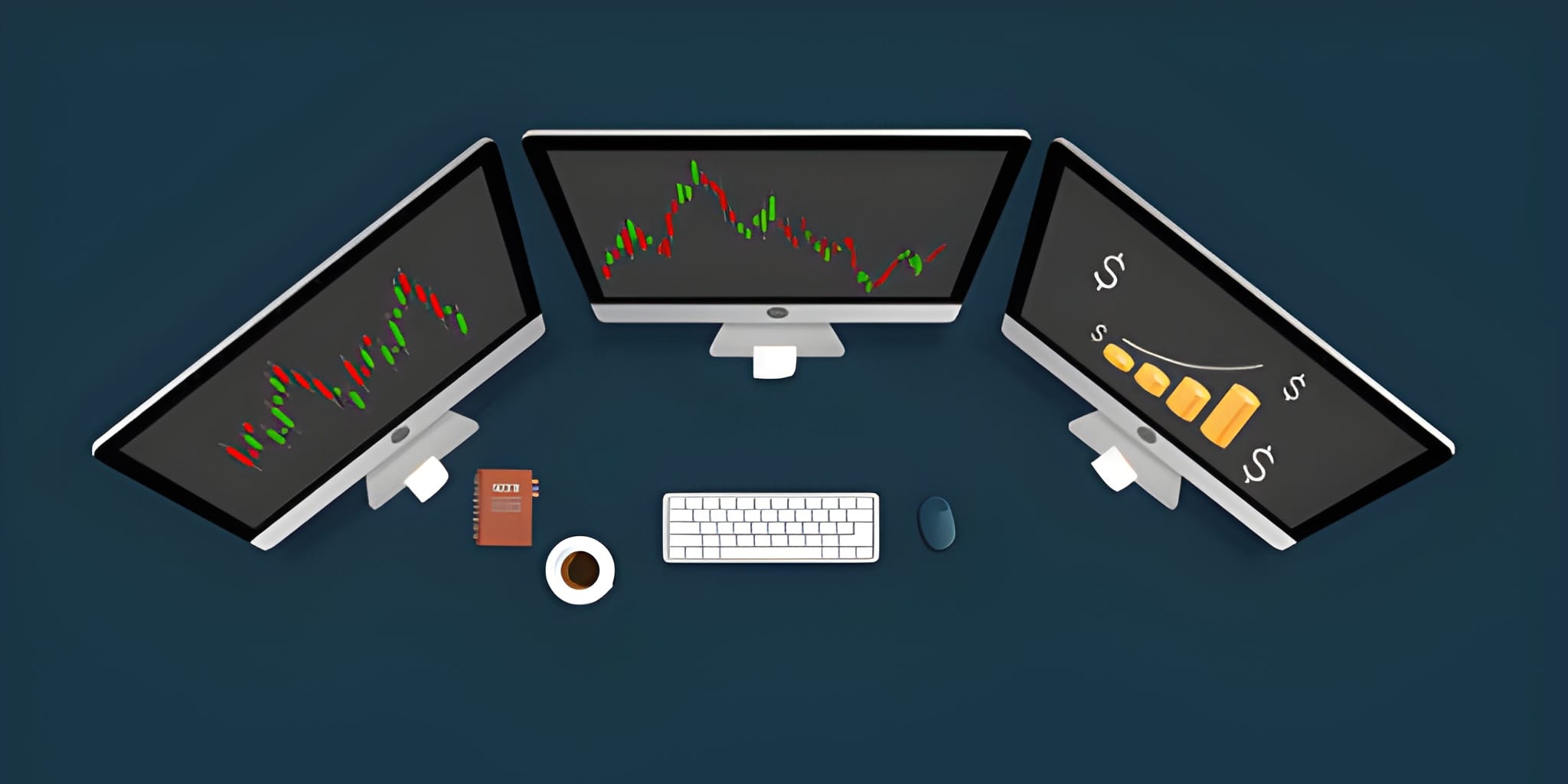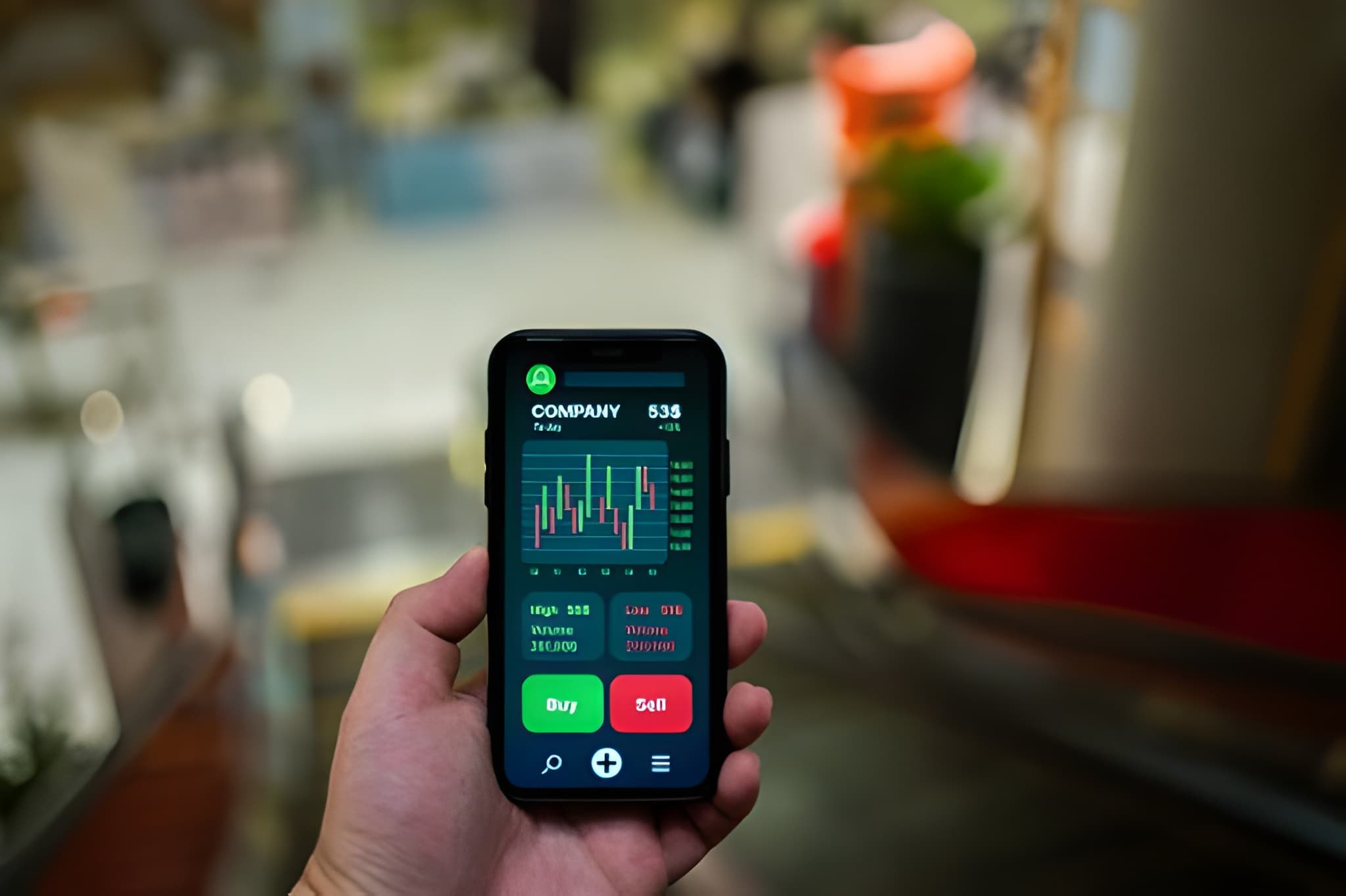
Forex day trading involves buying and selling currency pairs within a single trading day to profit from short-term price fluctuations. Unlike long-term forex investing, day trading focuses on intraday trends, technical analysis, and rapid decision-making. This article explores the fundamentals, strategies, tools, and risk management techniques essential for successful forex day trading.
Understanding Forex Day Trading
Forex day traders aim to capitalize on the volatility of currency pairs without holding positions overnight. Key characteristics include:
- 24-Hour Market: Forex markets operate continuously from Sunday evening to Friday evening (ET).
- High Liquidity: Major currency pairs like EUR/USD, GBP/USD, and USD/JPY offer tight spreads and large trading volumes.
- Leverage: Forex brokers provide leverage, increasing potential profits and risks.
Advantages:
- Rapid profit potential from small price movements.
- Ability to trade multiple currency pairs in one day.
- Opportunity to use leverage for higher returns.
Challenges:
- Leverage can amplify losses.
- Volatile movements may trigger emotional trading.
- Requires fast decision-making and constant monitoring.
Tools for Forex Day Trading
| Tool / Platform | Purpose | Example |
|---|---|---|
| Forex Broker / Platform | Executes trades and provides access to currency markets | MetaTrader 4/5, OANDA, Interactive Brokers |
| Real-Time Price Data | Tracks current market prices and order book depth | TradingView charts, ForexFactory |
| Technical Analysis Tools | Identify trends, patterns, and entry/exit points | RSI, MACD, Bollinger Bands, candlestick patterns |
| Risk Management Tools | Limit losses and manage position size | Stop-loss, take-profit, trailing stops |
| Economic Calendar | Tracks news and events affecting currency movements | Nonfarm payroll, interest rate announcements |
| Paper Trading / Simulators | Practice strategies without risking real capital | TradingView paper trading, MetaTrader demo |
Forex Day Trading Strategies
1. Scalping
Targets small price movements with frequent trades.
- Example:
- Buy 10,000 EUR/USD at 1.1000 → Sell at 1.1010
- Profit: \text{Profit} = (1.1010 - 1.1000) \times 10,000 = 10 \text{ USD}
2. Momentum Trading
Trades currency pairs showing strong directional movement due to news or volume.
- Example:
- GBP/USD spikes from 1.2500 to 1.2550 → Buy 5,000 units → Sell at 1.2580
- Profit: \text{Profit} = (1.2580 - 1.2550) \times 5,000 = 15 \text{ USD}
3. Breakout Trading
Enter positions when price moves beyond key support/resistance levels.
- Example:
- USD/JPY resistance at 110.50 → Price breaks 110.60 → Buy 1,000 units → Target 111.00
- Profit: \text{Profit} = (111.00 - 110.60) \times 1,000 = 400 \text{ JPY}
4. Reversal Trading
Trades against short-term extremes indicated by indicators like RSI or MACD.
- Example:
- RSI < 30 on AUD/USD → Buy 5,000 units at 0.7200 → Sell at 0.7250
- Profit: \text{Profit} = (0.7250 - 0.7200) \times 5,000 = 25 \text{ USD}
Risk Management in Forex Day Trading
| Risk Control | Description | Example |
|---|---|---|
| Position Sizing | Limits exposure per trade | Risk 1–2% of account balance per trade |
| Stop-Loss Orders | Predefine exit to prevent large losses | Stop-loss at 1.0980 for EUR/USD at 1.1000 |
| Take-Profit Orders | Lock in gains at target price | Take-profit at 1.1030 |
| Leverage Control | Use moderate leverage to reduce risk | 10:1 instead of 50:1 |
| Diversification | Trade multiple currency pairs to spread risk | EUR/USD, GBP/USD, USD/JPY |
| Monitor News and Events | Avoid trading during high-impact news without plan | Avoid entering trades during NFP release |
Case Study: Forex Day Trade
- Starting Capital: $10,000
- Currency Pair: EUR/USD
- Entry: Buy 10,000 units at 1.1000
- Exit: Sell at 1.1050
- Profit: \text{Profit} = (1.1050 - 1.1000) \times 10,000 = 50 \text{ USD}
- Stop-loss: 1.0980 → Maximum loss: (1.1000 - 1.0980) \times 10,000 = 20 \text{ USD}
Tips for Beginners
- Focus on Major Pairs: High liquidity and lower spreads reduce risk.
- Use Paper Trading: Practice without risking capital.
- Follow Economic Events: Be aware of interest rates, employment reports, and geopolitical events.
- Limit Leverage: High leverage can lead to rapid losses.
- Maintain a Trading Journal: Track trades, strategies, and outcomes.
Conclusion
Forex day trading offers opportunities to profit from intraday currency movements, but it requires discipline, technical analysis, and strict risk management. By practicing strategies like scalping, momentum, breakout, and reversal trading, using tools such as economic calendars and real-time charts, traders can navigate the fast-paced forex market more effectively. Consistent learning, simulation trading, and careful planning are key to long-term success in crypto day trading.