
Introduction
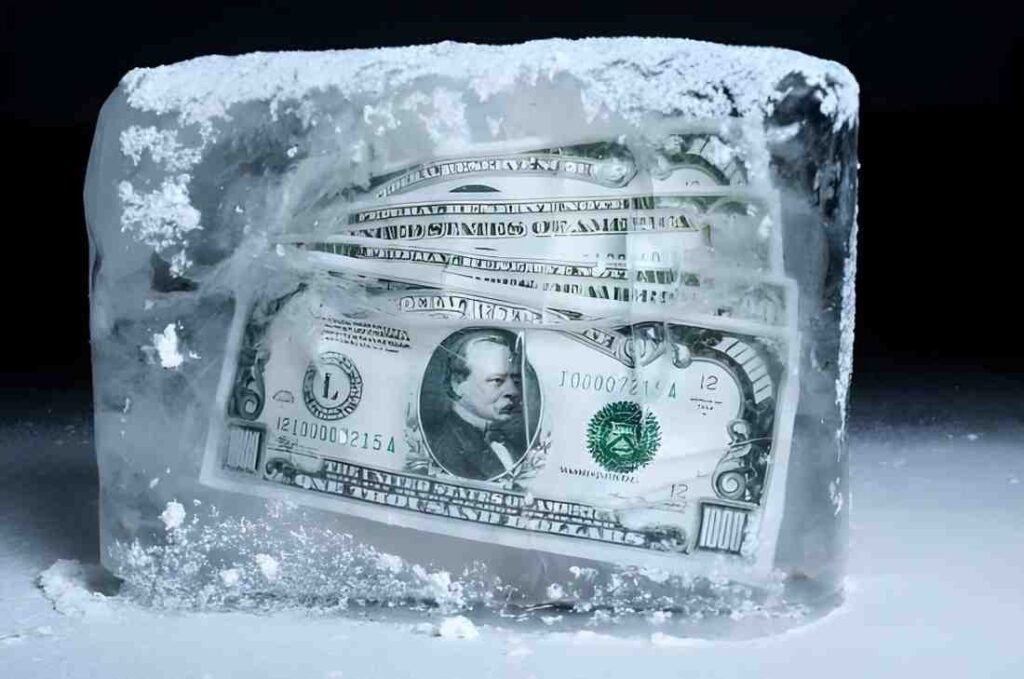
A frozen retirement plan is a pension or retirement account that is no longer accruing benefits for participants. Employers may freeze plans for various reasons, including cost management or corporate restructuring. While the plan is frozen, participants retain the benefits already earned, but no new contributions are made.
Understanding how to access or “cash out” a frozen retirement plan requires careful consideration of tax consequences, penalties, and long-term retirement implications.
Types of Frozen Retirement Plans
- Frozen Defined Benefit Plans:
- The employer stops accruing new benefits.
- Retirement benefits are calculated based on service and salary at the freeze date.
- Frozen Defined Contribution Plans (401(k), Profit-Sharing):
- Employee and/or employer contributions cease.
- Accumulated account balance remains invested and continues to earn returns.
Options for Participants
Participants with frozen plans generally have three main options:
1. Leave the Funds in the Plan
- The account remains invested under the plan’s rules.
- Benefits continue to grow (if invested) and will be payable at normal retirement age.
- Suitable for those who prefer long-term growth and do not need immediate access.
2. Roll Over to Another Retirement Account
- Funds can be rolled over into an IRA or another employer’s retirement plan.
- Maintains tax-deferred status.
- Avoids early withdrawal penalties if under age 59½.
3. Cash Out
- Participants may withdraw the frozen plan balance.
- Tax consequences and potential penalties apply.
Tax Implications
- Ordinary Income Tax: Withdrawn funds are taxed as regular income.
- Early Withdrawal Penalty: If under age 59½, typically 10% additional IRS penalty.
- State Taxes: Some states may impose additional taxes.
Example: Cashing Out a Frozen 401(k)
- Frozen account balance = 50,000
- Federal tax rate = 22%
- Early withdrawal penalty = 10%
Taxable amount = 50,000 \times 0.22 = 11,000
Penalty = 50,000 \times 0.10 = 5,000
Net cash received = 50,000 - 11,000 - 5,000 = 34,000
This demonstrates that cashing out reduces the effective retirement savings significantly.
Considerations Before Cashing Out
- Impact on Retirement Security: Early withdrawal reduces total retirement savings and compound growth potential.
- Alternative Options: Rollovers preserve tax advantages and growth potential.
- Liquidity Needs: Only cash out if immediate financial need outweighs long-term consequences.
- Penalties and Taxes: Understand combined federal, state, and early withdrawal penalties.
Strategic Alternatives
- Partial Withdrawals: Some plans allow limited distributions while keeping the remaining funds invested.
- Loan Against Plan: Certain frozen 401(k)s may allow loans instead of full withdrawal, preserving tax advantages.
- Staggered Rollovers: Roll portions into IRAs to manage tax brackets and maintain flexibility.
Example: Staggered Rollover
- Total balance = 50,000
- Roll over 25,000 in year one, 25,000 in year two
- Keeps each rollover within a lower tax bracket, minimizing taxes.
Conclusion
Cashing a frozen retirement plan is possible but often costly due to taxes and penalties. Most participants benefit from leaving the funds in place or rolling over to another tax-advantaged account. Careful planning ensures retirement security, preserves investment growth, and minimizes unnecessary tax burdens. Understanding all available options—leave, rollover, partial distribution, or loan—is essential before making a decision.



