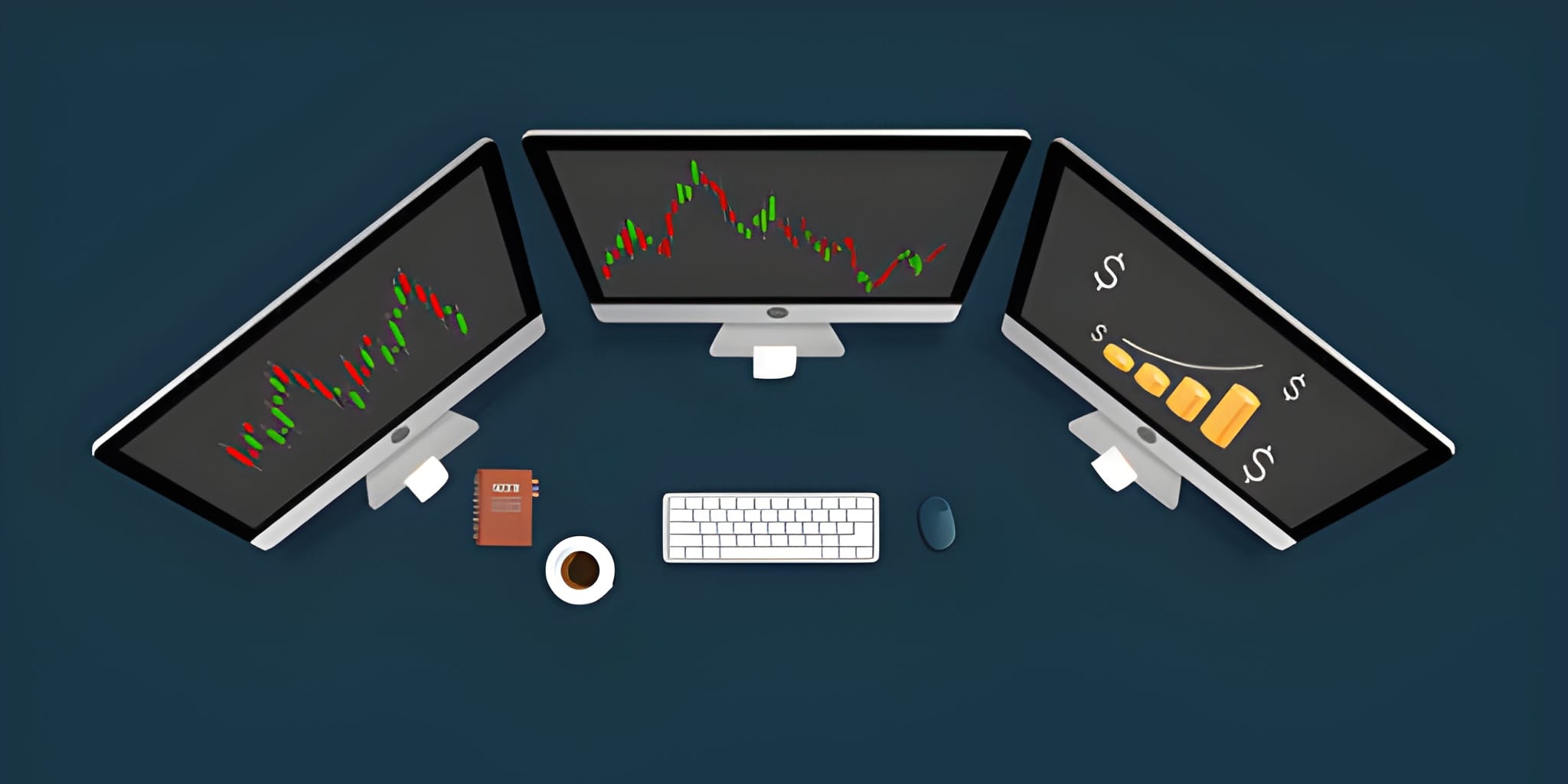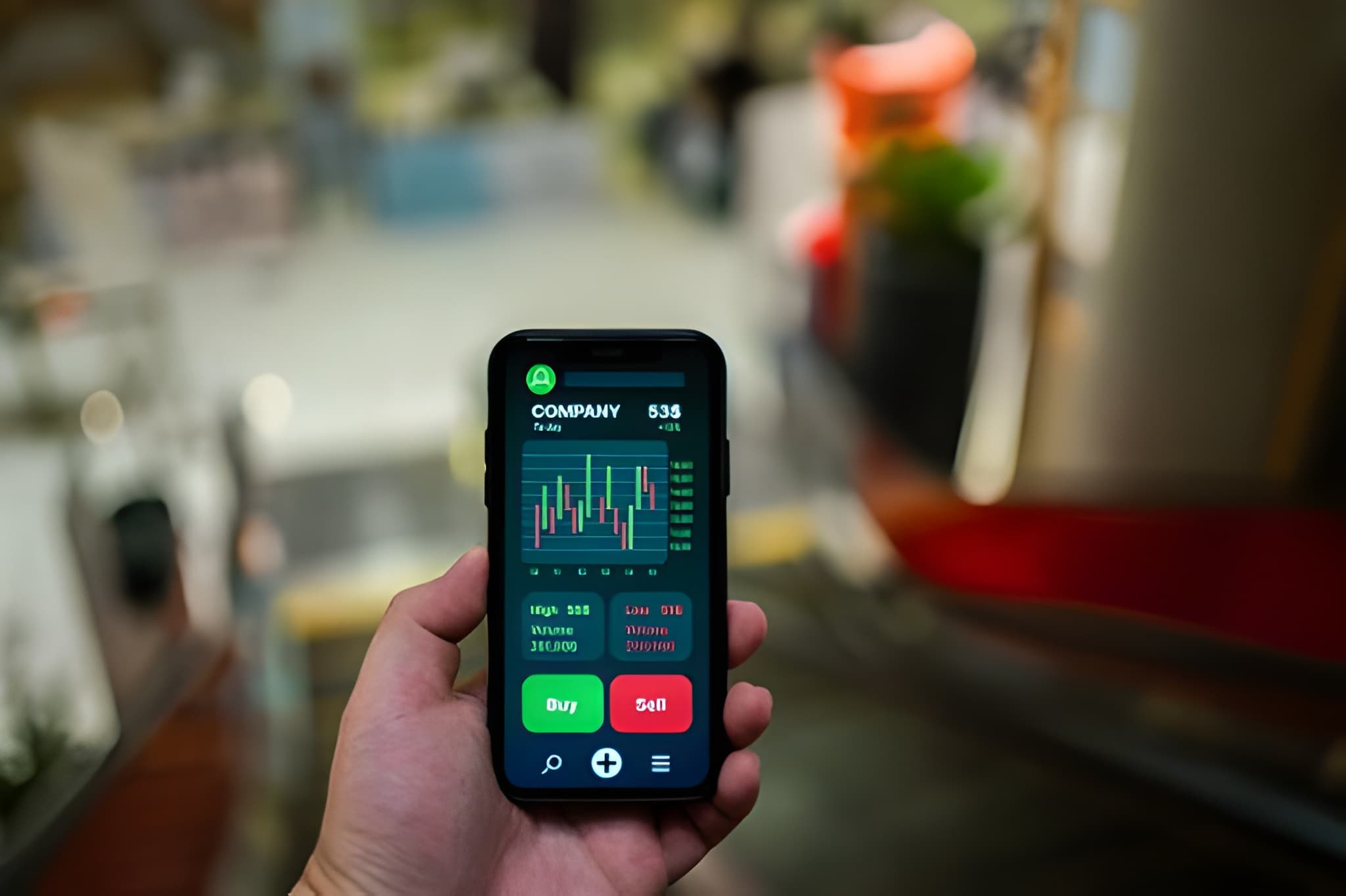
Selecting the right broker is a critical step for day traders, as it directly impacts execution speed, transaction costs, available tools, and overall trading efficiency. Day trading involves rapid decision-making and multiple trades per day, so choosing a broker with robust platforms, low fees, and reliable support is essential. This article explores the best brokers for day trading, their key features, and criteria to consider when making a selection.
Understanding Day Trading Brokers
A day trading broker provides the infrastructure for executing frequent trades in financial markets. Unlike long-term investing, day trading requires:
- Fast Execution: Delays in order placement can erode profits.
- Low Fees: High commissions or spreads can significantly impact net returns.
- Advanced Trading Tools: Real-time charts, technical indicators, and risk management features.
- Access to Multiple Markets: Stocks, ETFs, options, futures, forex, and cryptocurrencies.
Key Criteria for Selecting a Day Trading Broker
| Criteria | Importance | Considerations |
|---|---|---|
| Execution Speed | High | Brokers with low latency and direct market access |
| Commissions & Fees | High | Look for low-cost trades and minimal hidden fees |
| Platform Stability | High | Avoid downtime during market hours |
| Research & Analysis Tools | Medium | Access to charts, indicators, screeners, and news |
| Leverage & Margin Options | Medium | Supports various strategies, including margin trading |
| Customer Support | Medium | Responsive service for technical and account issues |
| Asset Coverage | High | Multiple markets for diversification |
| Regulation & Security | High | Ensure broker is regulated and funds are protected |
Best Brokers for Day Trading
1. Interactive Brokers (IBKR)
- Markets: Stocks, options, futures, forex, ETFs, bonds.
- Features: Advanced trading platforms (Trader Workstation, IBKR Mobile), direct market access, algorithmic trading, extensive research.
- Strengths: Low commissions, high-speed execution, global market access.
- Ideal For: Experienced traders needing professional-grade tools and low costs.
2. TD Ameritrade (ThinkorSwim)
- Markets: Stocks, options, ETFs, futures, forex.
- Features: ThinkorSwim platform with advanced charting, technical indicators, paper trading, and strategy backtesting.
- Strengths: User-friendly interface, robust educational resources, customizable alerts.
- Ideal For: Beginners and intermediate traders seeking reliable tools and educational support.
3. Charles Schwab
- Markets: Stocks, ETFs, options, mutual funds, futures.
- Features: StreetSmart Edge platform, research tools, mobile app, zero-commission trades for stocks and ETFs.
- Strengths: Strong regulatory standing, educational resources, responsive support.
- Ideal For: Traders seeking a balance of advanced tools and strong customer support.
4. Fidelity Investments
- Markets: Stocks, ETFs, options, mutual funds, bonds.
- Features: Active Trader Pro platform, real-time quotes, advanced charting, news feeds, customizable watchlists.
- Strengths: Excellent research, educational content, reliable execution.
- Ideal For: Traders who value in-depth analysis and stable platforms.
5. E*TRADE
- Markets: Stocks, options, ETFs, futures.
- Features: Power E*TRADE platform, technical analysis tools, real-time data, strategy backtesting, paper trading.
- Strengths: Intuitive interface, robust mobile app, educational resources.
- Ideal For: Traders looking for a versatile platform with educational support.
6. Robinhood
- Markets: Stocks, options, ETFs, cryptocurrencies.
- Features: Commission-free trading, simple mobile interface, instant deposits, fractional shares.
- Strengths: Beginner-friendly, no account minimums.
- Ideal For: New traders with small accounts focusing on simplicity and low costs.
7. NinjaTrader
- Markets: Futures, forex, stocks (via connected brokers).
- Features: Advanced charting, automated trading, market replay, extensive technical indicators.
- Strengths: Algorithmic trading capabilities, professional-level analysis.
- Ideal For: Active futures and forex traders requiring automation and high-speed execution.
Practical Example: Choosing a Broker for Momentum Day Trading
Suppose a trader wants to execute a momentum strategy on high-volume tech stocks:
- Requirements: Real-time charts, fast order execution, low fees.
- Broker Choice: Interactive Brokers or TD Ameritrade (ThinkorSwim) for direct market access, real-time data, and advanced indicators.
- Example Trade: Buy 100 shares of stock ABC at $50 → Sell at $53 → Profit: \text{Profit} = (53 - 50) \times 100 = 300
Fast execution and low fees allow the trader to capture gains efficiently without slippage eroding profits.
Tips for Selecting a Day Trading Broker
- Compare Commissions and Fees: Even small differences matter for frequent traders.
- Test Platforms with Demo Accounts: Evaluate speed, charting tools, and ease of use.
- Consider Market Access: Ensure the broker offers all instruments you plan to trade.
- Check Regulation and Security: Ensure funds are protected and the broker is FINRA, SEC, or FCA regulated.
- Evaluate Customer Support: Rapid assistance is critical during technical or execution issues.
Conclusion
Choosing the right broker is fundamental to successful day trading. The best brokers combine fast execution, low fees, robust platforms, and reliable support to enable traders to implement strategies efficiently. Interactive Brokers, TD Ameritrade, Charles Schwab, Fidelity, E*TRADE, Robinhood, and NinjaTrader are among the top choices, each offering unique advantages depending on experience level, market focus, and trading style. Traders should carefully assess their needs, test platforms, and ensure regulatory compliance to optimize trading performance.