
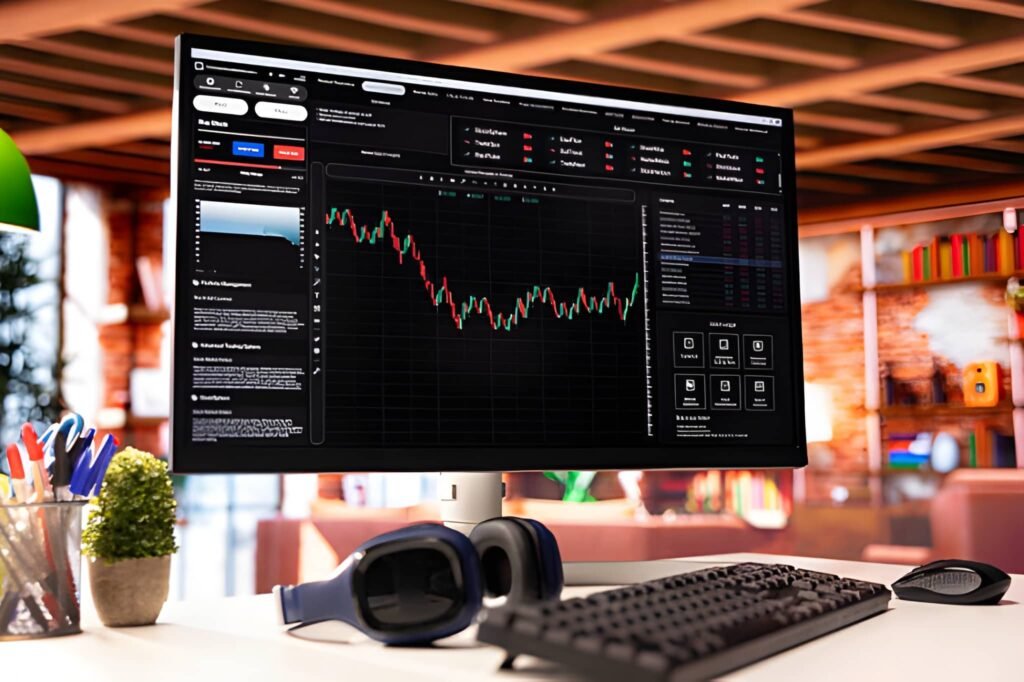
An algorithmic trading simulator is a software tool that allows traders and quantitative analysts to test, refine, and practice algorithmic trading strategies in a controlled, risk-free environment. Simulators replicate real-world market conditions, enabling users to evaluate strategy performance, execution efficiency, and risk management without committing real capital. These platforms are essential for both beginners and experienced traders who aim to optimize automated trading systems before deploying them live.
Purpose of an Algorithmic Trading Simulator
The primary objectives of a trading simulator are:
- Strategy Development and Testing
- Validate trading algorithms against historical or real-time market data.
- Identify weaknesses and optimize parameters before live deployment.
- Risk Assessment
- Evaluate drawdowns, volatility, and exposure under various market scenarios.
- Test risk controls like stop-loss, position sizing, and leverage limits.
- Skill Development
- Provide hands-on experience with algorithmic trading without financial risk.
- Help users understand order types, execution latency, and market microstructure.
- Performance Analytics
- Generate metrics such as cumulative return, Sharpe ratio, win rate, and profit factor.
Features of a Trading Simulator
- Historical Data Replay
- Allows backtesting on tick-level, minute, or daily historical data.
- Users can simulate past market events such as crashes, spikes, and high volatility periods.
- Real-Time Market Simulation
- Streams live market data with realistic bid-ask spreads, slippage, and latency.
- Supports paper trading to mimic live execution without using real money.
- Strategy Customization
- Supports a variety of algorithmic strategies, including trend-following, mean-reversion, statistical arbitrage, and sentiment-based trading.
- Enables parameter adjustment for indicators, thresholds, and risk limits.
- Risk Management Tools
- Simulates stop-loss, take-profit, trailing stops, and maximum exposure controls.
Performance Metrics
- Cumulative Return (CR):
Sharpe Ratio:
Sharpe = \frac{E[R_p - R_f]}{\sigma_p}Win Rate:
Win\ Rate = \frac{Winning\ Trades}{Total\ Trades} \times 100Profit Factor (PF):
PF = \frac{Gross\ Profit}{Gross\ Loss}Multi-Asset and Multi-Market Support
- Simulate trading across stocks, forex, futures, options, and cryptocurrencies.
- Supports portfolio-level analysis and risk assessment.
Popular Algorithmic Trading Simulators
- MetaTrader 4/5 Strategy Tester
- Allows testing of Expert Advisors (EAs) on historical data.
- Provides metrics for profit, drawdown, and trade-by-trade analysis.
- TradingView Paper Trading
- Simulates live trades using alerts and signals.
- Supports scripting strategies with Pine Script for backtesting.
- QuantConnect
- Cloud-based backtesting and live simulation for equities, forex, futures, and crypto.
- Offers extensive historical datasets and performance analytics.
- Backtrader
- Python framework for strategy development, backtesting, and simulated trading.
- Supports custom indicators, multiple data feeds, and broker simulation.
- Crypto Simulators
- Cryptohopper, 3Commas, and Shrimpy allow backtesting and simulated execution for cryptocurrencies.
Advantages of Using a Simulator
- Zero Financial Risk: Test strategies without risking capital.
- Strategy Optimization: Refine entry, exit, and risk parameters before live trading.
- Market Understanding: Learn order execution, slippage, and market dynamics.
- Confidence Building: Develop confidence in automated strategies before committing funds.
Limitations of Simulators
- Data Quality Dependency: Poor historical or real-time data can misrepresent strategy performance.
- Market Slippage and Latency: Simulators may underestimate execution delays compared to live markets.
- Overfitting Risk: Strategies optimized on historical data may not perform well in future conditions.
- Psychological Factors: Simulated environments do not fully replicate emotional responses to real financial losses or gains.
Example Workflow Using a Simulator
- Define Strategy
- Example: Mean-reversion strategy using RSI and SMA indicators.
Entry = RSI < 30 \ AND \ Price > SMA_{50}
- Example: Mean-reversion strategy using RSI and SMA indicators.
Set Risk Parameters
- Max risk per trade: 1% of account equity.
Backtest Strategy
- Run on historical data for two years.
Analyze Metrics
- Calculate Sharpe Ratio, win rate, drawdown, and profit factor.
Paper Trade in Real-Time
- Test strategy under live market conditions with simulated orders.
Deploy Live Trading
- After satisfactory simulation results, implement strategy with real capital while monitoring risk.
Conclusion
An algorithmic trading simulator is an indispensable tool for learning, testing, and validating automated strategies. It enables traders to optimize performance, implement robust risk management, and gain practical experience without financial exposure. While simulators cannot perfectly replicate all market conditions, they provide a controlled and measurable environment for developing effective algorithmic trading systems, making them a critical step in the roadmap from strategy conception to live deployment.


