
Introduction
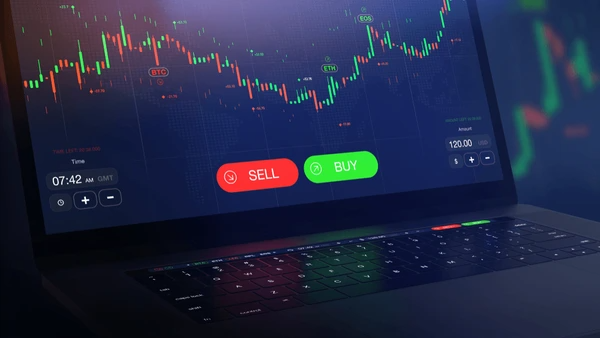
Electronic and algorithmic trading technology has transformed modern financial markets, enabling rapid, automated trade execution, enhanced market efficiency, and data-driven decision-making. From equities to forex and derivatives, these technologies allow traders to implement complex strategies with minimal manual intervention. Understanding the architecture, tools, and implications of electronic and algorithmic trading is critical for market participants seeking competitive advantage.
Core Philosophy of Electronic and Algorithmic Trading
- Automation: Replace manual trade execution with pre-programmed instructions to reduce human error and increase speed.
- Data-Driven Strategy: Use quantitative analysis, statistical models, and alternative data to inform trading decisions.
- Scalability and Efficiency: Execute high volumes of trades across multiple markets with minimal latency.
- Risk Management: Integrate systematic controls to monitor and limit exposure in real time.
Components of Electronic and Algorithmic Trading Systems
1. Trading Platforms and Infrastructure
Modern trading relies on advanced platforms designed for high-speed, reliable execution:
- Front-End Systems: User interfaces for strategy monitoring and order entry.
- Order Management Systems (OMS): Route orders efficiently and manage execution logic.
- Execution Management Systems (EMS): Handle high-frequency order placement, routing, and tracking.
- Low-Latency Networks: Critical for high-frequency and algorithmic strategies requiring microsecond execution times.
2. Algorithmic Strategy Modules
Algorithms can range from simple rule-based systems to complex, machine learning models:
- Trend-Following: Capture sustained price movements using moving averages or breakout strategies.
- Mean-Reversion: Identify deviations from historical averages or Bollinger Bands.
- Statistical Arbitrage: Exploit pricing discrepancies between correlated instruments.
- Machine Learning Models: Predict price movements or volatility using supervised or reinforcement learning.
3. Data Acquisition and Management
Accurate data is essential for effective trading:
- Market Data: Level I and Level II quotes, historical OHLCV, and order book depth.
- Alternative Data: News sentiment, economic indicators, social media, and proprietary datasets.
- Data Storage and Processing: High-speed databases and cloud computing for large-scale analysis.
4. Backtesting and Simulation
Robust testing is a prerequisite for live deployment:
- Historical Backtesting: Evaluate strategies across different market regimes.
- Walk-Forward Analysis: Test sequential out-of-sample periods to ensure robustness.
- Transaction Cost Modeling: Include commissions, slippage, and market impact in performance evaluation.
5. Execution and Risk Management
Automated systems integrate execution and risk controls:
- Order Types: Market, limit, stop-loss, iceberg, and TWAP/VWAP orders.
- Direct Market Access (DMA): Minimizes latency and improves execution quality.
- Risk Management: Position sizing, portfolio diversification, and real-time monitoring.
Position Sizing Formula
Position\ Size = \frac{Account\ Equity \times Risk\ Per\ Trade}{Price \times Volatility}6. Monitoring and Adaptive Algorithms
- Performance Tracking: Analyze P&L, Sharpe ratio, drawdowns, and execution statistics.
- Model Drift Detection: Identify reductions in predictive accuracy.
- Dynamic Adaptation: Adjust parameters and strategy logic in response to changing market conditions.
Technologies Driving Electronic and Algorithmic Trading
- High-Frequency Trading (HFT) Engines: Execute thousands of trades per second using co-located servers.
- Machine Learning and AI: Predictive models for price movements, volatility, and sentiment analysis.
- Cloud Computing and Big Data: Process large datasets for research, backtesting, and execution.
- FIX Protocol and APIs: Standardized communication for order routing and execution.
- Blockchain and Distributed Ledger Technology: Emerging applications in settlement, smart contracts, and decentralized trading.
Examples of Algorithmic Strategies Enabled by Technology
1. Momentum-Based ETF Rotation
- Logic: Invest in top-performing ETFs over a set period.
- Execution: Automated rebalancing and position management via broker APIs.
2. Pairs Trading
- Logic: Go long on the underperformer and short on the overperformer when correlated instruments diverge.
- Backtesting: Evaluate historical spreads, correlation coefficients, and risk metrics.
3. News and Sentiment-Based Strategies
- Logic: Trade based on macroeconomic releases or news sentiment.
- Implementation: Integrate natural language processing to quantify market impact.
Advantages of Modern Electronic and Algorithmic Trading
- Speed and Efficiency: Execute trades faster than manual methods.
- Consistency: Reduce emotional and behavioral biases.
- Multi-Market Capability: Manage portfolios across equities, futures, forex, and cryptocurrencies.
- Enhanced Risk Control: Automated monitoring reduces exposure and potential drawdowns.
Challenges and Considerations
- Latency Sensitivity: Execution delays can reduce profitability, especially in HFT.
- Data Reliability: Inaccurate or delayed data can compromise algorithmic decisions.
- Market Volatility: Extreme events may trigger unexpected losses.
- Regulatory Compliance: Systems must adhere to SEC, FINRA, and exchange rules.
- Technical Complexity: Developing and maintaining infrastructure requires advanced programming and quantitative skills.
Conclusion
Electronic and algorithmic trading technology has redefined market operations, enabling faster, more precise, and systematic trading. By combining robust strategy design, data-driven modeling, high-speed execution, and integrated risk management, traders can implement scalable and adaptable algorithms. Continuous monitoring, model adaptation, and adherence to regulatory standards are crucial for long-term success, making electronic and algorithmic trading a cornerstone of modern financial markets.


