
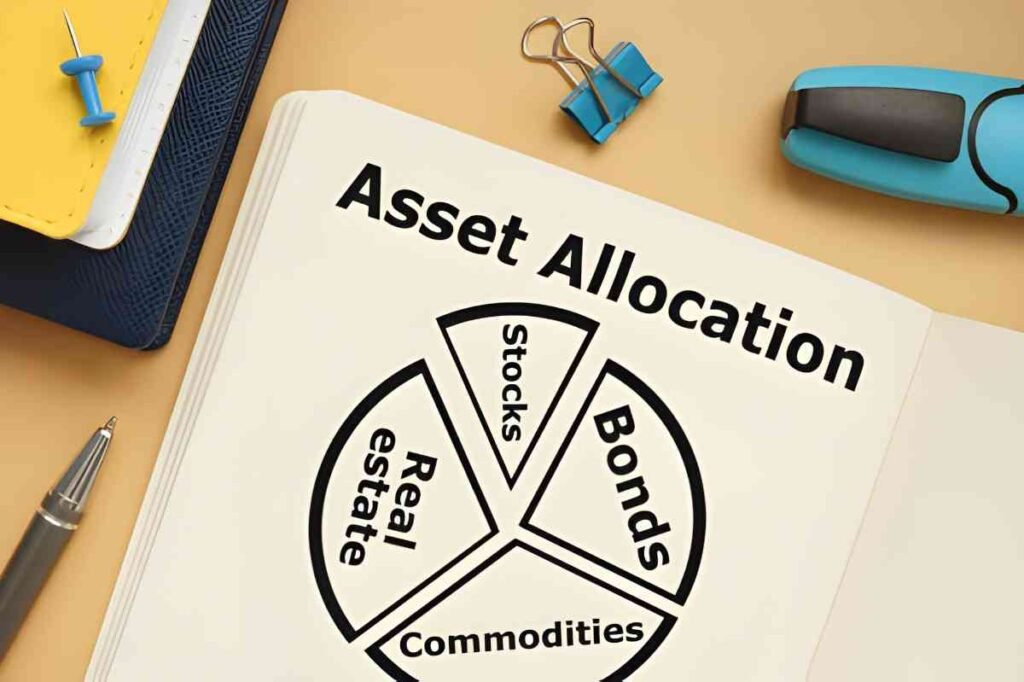
Why Asset Allocation Matters
I define asset allocation as the process of dividing investments among different asset classes—such as stocks, bonds, real estate, and cash—to balance risk and reward based on your financial goals. A well-structured allocation minimizes volatility while maximizing returns over time.
The biggest mistake I see investors make is choosing allocations based on short-term trends rather than long-term strategy. A 30-year-old with high risk tolerance shouldn’t hold 70% bonds just because the stock market dipped last quarter. Conversely, a retiree shouldn’t chase aggressive growth if they need stable income.
Table of Contents
This questionnaire helps you determine the right mix by assessing:
- Risk tolerance (How much loss can you stomach?)
- Time horizon (When will you need the money?)
- Financial goals (Growth, income, or preservation?)
Section 1: Risk Tolerance Assessment
1. How would you react if your portfolio dropped 20% in a year?
- A. Sell everything and move to cash.
- B. Shift to safer investments like bonds.
- C. Hold and wait for recovery.
- D. Buy more while prices are low.
Scoring:
- A = Low risk tolerance (Conservative)
- B = Moderate-low (Balanced)
- C = Moderate-high (Growth-oriented)
- D = High risk tolerance (Aggressive)
2. Your primary investment goal is:
- A. Capital preservation (avoid losses).
- B. Steady income with low volatility.
- C. Balanced growth and income.
- D. Maximizing long-term returns, even with volatility.
Scoring:
- A = Conservative (20-40% stocks, 60-80% bonds/cash)
- B = Moderate (40-60% stocks, 40-60% bonds)
- C = Growth (60-80% stocks, 20-40% bonds)
- D = Aggressive (80-100% stocks, 0-20% bonds)
Section 2: Time Horizon
3. When will you need this money?
- A. Within 1-3 years (short-term).
- B. 3-10 years (medium-term).
- C. 10+ years (long-term).
Recommended Allocation by Time Horizon:
| Time Horizon | Stocks | Bonds | Cash/Alternatives |
|---|---|---|---|
| Short-term (1-3 yrs) | 0-20% | 30-50% | 30-70% |
| Medium-term (3-10 yrs) | 40-70% | 30-50% | 0-20% |
| Long-term (10+ yrs) | 70-100% | 0-30% | 0-10% |
Example: If you’re saving for a house in 5 years, a 50% stocks, 40% bonds, 10% cash split balances growth and safety.
Section 3: Financial Goals & Liquidity Needs
4. Do you need regular income from investments?
- Yes → Higher bond/dividend stock allocation.
- No → Focus on growth stocks.
5. How much liquidity do you require?
- Emergency fund? Keep 3-6 months of expenses in cash.
- Upcoming major expense? Allocate accordingly (e.g., college tuition in 7 years = 60% stocks, 40% bonds).
Section 4: Customizing Your Allocation
Sample Portfolios Based on Risk & Time Horizon
| Profile | Stocks | Bonds | Cash | Real Estate/Other |
|---|---|---|---|---|
| Conservative | 30% | 50% | 15% | 5% (REITs, gold) |
| Balanced | 50% | 40% | 5% | 5% |
| Growth | 70% | 25% | 0% | 5% |
| Aggressive | 90% | 5% | 0% | 5% |
Rebalancing Strategy
- Annual rebalancing ensures your portfolio stays aligned with goals.
- Example: If stocks outperform and shift your allocation from 60/40 to 70/30, sell 10% stocks and buy bonds to reset.
Final Step: Implementing Your Allocation
- Choose investment vehicles:
- Stocks: ETFs (e.g., S&P 500 index funds), individual stocks.
- Bonds: Treasury bonds, corporate bond ETFs (e.g., BND).
- Alternatives: REITs, gold ETFs, crypto (5% max if aggressive).
- Automate contributions: Dollar-cost averaging reduces timing risk.
- Monitor & adjust: Life changes (marriage, retirement) require allocation updates.



