
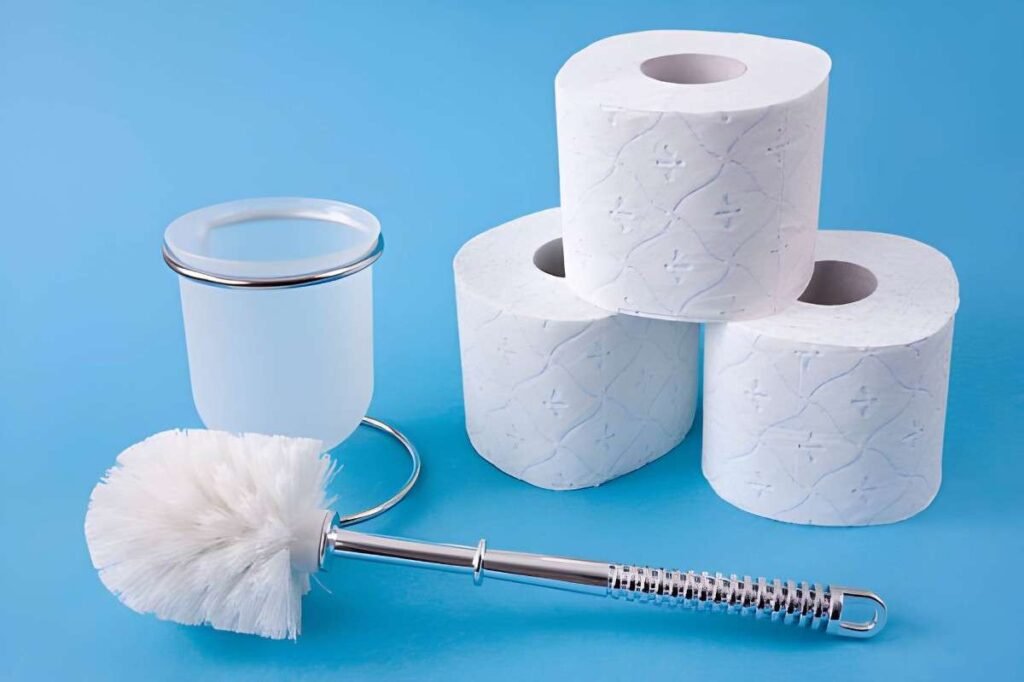
In my career managing procurement and facilities operations for commercial properties, I have learned that true efficiency is found in the details. Items like toilet brushes and holders are often an afterthought, but they represent a significant recurring expense and have a direct impact on user satisfaction and maintenance overhead. Bulk purchasing these items is not merely about buying in volume; it is a strategic decision that involves evaluating total cost of ownership, durability, aesthetics, and operational efficiency. A modern toilet brush set is no longer just a cleaning tool; it is a part of the restroom’s design language and a component in a hygiene system. I will guide you through the analytical process of sourcing these items in bulk, ensuring you secure value that goes far beyond the lowest unit price.
The Core Rationale for Bulk Procurement
The decision to bulk buy is driven by a fundamental cost-benefit analysis. The benefits extend across several operational domains:
- Cost Efficiency: Purchasing in volume inherently reduces the per-unit cost. Suppliers are often willing to offer significant discounts for large orders, as it guarantees them sales and reduces their own logistical overhead.
- Operational Consistency: Standardizing on a single model across all restrooms simplifies maintenance and cleaning protocols. Housekeeping staff encounter the same product everywhere, which streamlines training and execution. It also ensures a consistent aesthetic and user experience.
- Reduced Administrative Overhead: Placing one large order per year, as opposed to multiple small orders, saves considerable time in the procurement process—fewer purchase orders, fewer invoices to process, and less communication with suppliers.
- Inventory Management: Maintaining a strategic on-hand inventory of replacement units prevents emergency purchases, which are often made at a premium and can lead to settling for an inferior product just to meet an immediate need.
Defining “Modern”: Beyond Aesthetics to Function
The term “modern” in this context encompasses design, materials, and functionality. When evaluating options, I prioritize the following criteria:
- Minimalist Design: Clean lines, neutral colors (like matte black, brushed nickel, white, or grey), and a concealed brush design. The goal is for the unit to be noticed for its cleanliness and discretion, not as an eyesore.
- Material Quality: Avoid cheap, brittle plastics that crack and stain. Modern materials include:
- Durable Polymers: High-quality ABS or polypropylene that resist chemicals and impact.
- Stainless Steel: Especially for holders and the base of the brush. 304-grade stainless offers excellent corrosion resistance in a damp bathroom environment.
- Silicone: Used for bases and handles for a soft-touch feel and excellent water resistance.
- Hygienic Design: This is non-negotiable. The design should prioritize cleanliness.
- Closed Systems: Look for holders that fully enclose the brush head, preventing drip exposure and containing odors.
- Easy-Clean Features: Designs that allow for easy drainage and cleaning without nooks for grime to accumulate.
- Antimicrobial Protection: Some higher-end models incorporate built-in antimicrobial technology in the plastic to inhibit the growth of mold, mildew, and bacteria on the product itself.
The Total Cost of Ownership (TCO) Analysis
The smartest bulk purchase is not the one with the cheapest sticker price, but the one with the lowest total cost of ownership. TCO is calculated by considering all costs over the product’s usable life.
\text{TCO} = \text{Unit Purchase Price} + (\text{Replacement Frequency} \times \text{Cost}) + (\text{Cleaning Time} \times \text{Labor Cost})Example: Cheap Set vs. Quality Set
- Option A (Cheap): \$5.00 per set. Replaced quarterly due to breaking or excessive staining. Labor cost to clean: 2 minutes per day.
- Option B (Quality): \$15.00 per set. Replaced annually. Labor cost to clean: 1 minute per day due to better design.
Assume a labor cost of \$20/hour (\$0.33 per minute) for cleaning staff.
Option A TCO for One Year:
- Purchase Cost: \$5.00 x 4 replacements = \$20.00
- Cleaning Cost: (2 mins/day * 365 days * \$0.33) = \$240.90
- Total Yearly TCO: \$260.90
Option B TCO for One Year:
- Purchase Cost: \$15.00 x 1 replacement = \$15.00
- Cleaning Cost: (1 min/day * 365 days * \$0.33) = \$120.45
- Total Yearly TCO: \$135.45
Despite a 3x higher unit cost, the quality set has a 48% lower annual TCO due to less frequent replacement and, most importantly, significantly reduced labor expenses. This analysis reveals the true value of a quality, modern design.
Sourcing and Supplier Considerations
- Specialized Janitorial Supply Companies: Companies like Grainger, WW Grainger, or Janitorial Supply stores specialize in commercial-grade products. Their offerings are built for durability and high traffic, not the consumer market.
- Restaurant Supply Stores: These are excellent sources for highly durable, stainless-steel models designed for the harsh environment of a commercial kitchen restroom.
- E-Procurement Platforms: Amazon Business, Alibaba, or Thomasnet can be effective for very large orders, but vet suppliers carefully for quality control and minimum order quantities (MOQs).
- Architectural and Design Suppliers: For high-end hotels, corporate offices, or luxury apartments, sourcing from design-focused suppliers like AF Supply or Watermark Designs ensures the unit meets aesthetic specifications but often at a premium price.
Implementation and Deployment Strategy
- Pilot Program: Before committing to a bulk order for 100 units, purchase 3-5 different models for a pilot test. Install them in high-traffic restrooms and get feedback from the cleaning staff after one month. They are the best judges of functionality and durability.
- Centralized Inventory: Upon delivery, store the bulk of the order in a clean, dry storeroom. Keep a small par stock of replacements with the maintenance team for swift swaps.
- Standardized Installation: Ensure the installation method (e.g., wall-mounted vs. freestanding) is consistent and uses appropriate anchors for your wall type (tile, drywall, etc.) to prevent damage and ensure longevity.
In conclusion, bulk buying modern toilet brushes and holders is a strategic procurement exercise that, when done correctly, reduces long-term costs, elevates the user experience, and improves operational efficiency. The key is to shift the decision framework from a simple purchase price comparison to a holistic analysis of design, materials, hygiene, and—most critically—the labor required to maintain them. By investing in a quality, modern set from a reputable commercial supplier, you are not just buying a cleaning tool; you are investing in a system that upholds cleanliness standards, reduces ongoing expenses, and contributes to the overall perception of your facility. It is a small detail that speaks volumes about your operational competence.



