
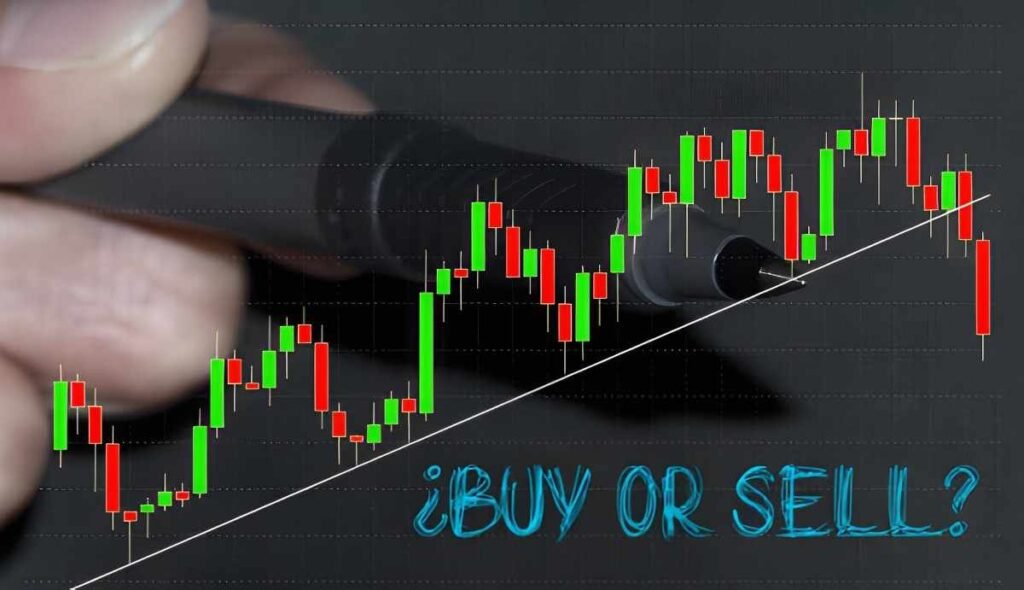
I have watched countless market cycles, and the emotional challenge of a sustained bull market—a “boom”—is among the most profound tests of an investor’s discipline. The air is thick with euphoria; stories of rapid gains become commonplace, and the siren song of speculative trading grows deafeningly loud. In this environment, the steadfast, patient approach of a buy and hold strategy can feel antiquated, even foolish. Why simply hold when others seem to be getting rich overnight? My role is to provide not just the mathematical rationale, but the psychological framework for why adhering to a long-term plan during a boom is not a strategy of inaction, but one of deliberate and calculated strength. It is the strategy that ensures you are still standing when the music inevitably stops.
The first imperative is to understand the psychological landscape of a boom. Markets are driven by two primary emotions: greed and fear. A boom is the purest expression of greed. It is characterized by irrational exuberance, where asset prices disconnect from their underlying intrinsic value and are instead propelled by narrative, momentum, and the fear of missing out (FOMO). This creates a dangerous environment for the unprepared investor. The buy and hold investor enters this arena with a distinct advantage: a pre-defined plan. Your strategy is not based on the emotional temperature of the market today; it is based on the fundamental value of the businesses you own and a belief in long-term economic growth. This plan acts as an anchor, preventing you from being swept away by the currents of speculation.
During a boom, the greatest risk is not a paper loss; it is the risk of behavioral error. The most common and devastating mistakes include:
- Chasing Performance: Abandoning your carefully selected holdings to pour money into the latest high-flying asset, almost always buying at a peak.
- Overconcentration: Becoming so enamored with a winning position that you allow it to become an dangerously oversized portion of your portfolio, violating principles of risk management.
- Abandoning Asset Allocation: Deciding that “stocks only go up” and moving your entire portfolio, including your safe fixed-income allocation, into equities, thereby taking on far more risk than your plan dictates.
The buy and hold strategy is a defense against these errors. It is a covenant you make with your future self to not let present-day euphoria sabotage long-term goals.
From a financial perspective, a boom presents a critical opportunity for a buy and hold investor: the power of compounding is operating at its maximum velocity. Your existing holdings are likely appreciating significantly. The mathematical force of compounding is not linear; it is exponential. The formula for future value reveals this:
FV = P \times (1 + r)^tDuring a boom, the annual rate of return (( r )) for your portfolio may be well above its long-term average. This creates a powerful “wealth acceleration” effect. A single year of 20% or 30% growth on a large portfolio base can add years of progress toward your financial goals. The worst thing you can do is interrupt this process by selling winning positions to lock in gains prematurely, only to face the tax consequences and the dilemma of how to reinvest the proceeds in an overvalued market.
However, a boom does not mean complete passivity. This is a nuanced but crucial point. The disciplined action during this phase is rebalancing. This is the mechanical process of realigning your portfolio back to its target asset allocation. For example, if your target is 60% stocks and 40% bonds, a massive stock market boom might push that allocation to 75% stocks and 25% bonds. Rebalancing involves selling some of the appreciated stocks and buying more bonds to return to the 60/40 split.
This achieves two critical objectives:
- It systematically sells high. You are taking profits from the overheated asset class (stocks) and moving them into the undervalued one (bonds), all according to a pre-set rule that removes emotion from the decision.
- It controls risk. You are preventing your portfolio from becoming too aggressive and therefore too vulnerable to the eventual downturn.
Rebalancing is the tactical embodiment of the buy and hold philosophy during a boom. It is not market timing; it is risk management.
Table 1: Buy and Hold Actions During a Market Boom
| Action | Description | Rationale | Outcome |
|---|---|---|---|
| Hold Core Positions | Maintain ownership of high-quality assets. | Allows compounding to work unimpeded on a larger base. | Continues wealth accumulation according to the long-term plan. |
| Continue Dollar-Cost Averaging | Keep making regular, scheduled investments. | Acquires shares at a average cost; avoids trying to time the market. | Builds position size steadily and mechanically. |
| Rebalance Portfolio | Sell appreciated assets and buy underweight ones to return to target allocation. | Forces you to “sell high” and “buy low” mechanically. It is risk management. | Locks in gains, reduces portfolio risk, and prepares dry powder for a downturn. |
| Avoid New Speculation | Resist investing in narratives and assets with no fundamental earnings or history. | Protects capital from the high risk of boom-era assets that will likely collapse. | Prevents catastrophic losses that can wipe out years of careful gains. |
For the dividend-focused buy and hold investor, a boom presents another interesting dynamic. As stock prices rise, dividend yields (annual dividend / stock price) will mechanically fall. A stock that paid a $3 dividend on a $100 stock has a 3% yield. If the stock price rises to $150, the yield falls to 2%. This is not a cause for alarm. In fact, it is a sign of success. Your focus should remain on the dollar amount of dividends being paid and, more importantly, their growth. A company that increases its dividend during a boom is demonstrating fundamental strength. Your yield on cost—the dividend income based on your original purchase price—will continue to rise dramatically, building your passive income stream regardless of the current market price.
Finally, a boom is a time for psychological preparation. The most certain thing about a market boom is that it will end. A true buy and hold investor understands this and does not fear it. They know that downturns are the cost of admission for long-term returns. The paper gains of a boom will evaporate, sometimes violently. The discipline forged during the good times is what will allow you to hold firm during the inevitable bust, and even continue investing new capital when assets are on sale. This is the ultimate advantage of the strategy: it provides a coherent plan for every season of the market.
In conclusion, executing a buy and hold strategy during a boom is an act of supreme discipline. It requires you to watch others seemingly profit more quickly while you remain committed to the slower, more certain path of compounding. It is not a passive strategy; it is an active strategy of resistance—resistance against greed, against FOMO, and against the speculative fervor that defines bubbles. By holding your course, continuing to invest systematically, and using rebalancing as a tool for risk management, you ensure that the wealth built during the good times is not only preserved but also positioned to survive and thrive through the subsequent cycle. The boom is not the time to abandon your strategy; it is the ultimate test of its validity.



