
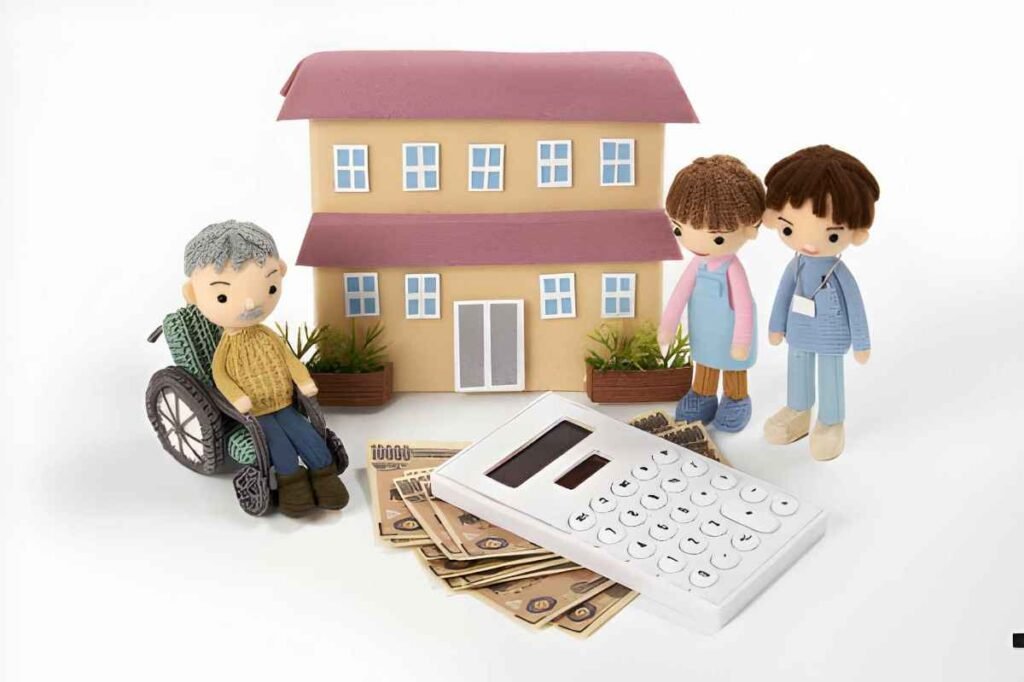
I have advised countless clients on the financial intricacies of retirement, and few decisions are as emotionally and financially significant as where you will live. Building a new home from the ground up for your retirement years is not merely a construction project; it is the physical manifestation of your life’s next chapter. A 1,500 square foot home is the sweet spot for many—large enough to live comfortably and host family, yet small enough to be efficient and manageable. But the process involves far more than choosing paint colors. It requires a strategic financial and lifestyle plan to ensure your dream home doesn’t become a financial burden. From budgeting to design, I will guide you through the critical steps of turning this vision into a sustainable reality.
The first step is not to call an architect; it is to call your financial planner. Before a single blueprint is drawn, you must have a crystal-clear understanding of your budget. The total cost extends far beyond the price per square foot of construction.
Establishing a Realistic Total Budget
The national average cost to build a home can range from $100 to $200 per square foot and much higher depending on location, materials, and labor. For a 1,500 sq. ft. home, this suggests a base construction cost between $150,000 and $300,000. However, this is only the beginning. You must account for the total land and development costs, which I see clients underestimate most often.
A comprehensive budget must include:
- Land Purchase: The cost of the lot.
- Site Work: Clearing, grading, excavation, and connecting to utilities (septic or sewer, water, electricity, gas, internet).
- Construction Loan Costs: If financing, include loan origination fees and interest during the construction phase.
- Permits and Fees: Building permits, impact fees, and other municipal costs.
- Contingency Fund: A non-negotiable line item of 10-15% of the total project cost for unforeseen issues.
- Landscaping and Hardscaping: Often forgotten in initial budgets.
- Furnishings and Window Treatments: A new home requires new furnishings.
A prudent formula I use with clients is:
\text{Total Project Cost} = (\text{Construction Cost per Sq. Ft.} \times \text{Square Footage}) + \text{Land Cost} + \text{Soft Costs} + \text{Contingency}For example:
\text{Total Cost} = (\$160 \times 1,500) + \$75,000 + \$40,000 + \$36,000 = \$240,000 + \$75,000 + \$40,000 + \$36,000 = \$391,000This final number, not the $240,000 construction cost, is the figure you must be able to fund without jeopardizing your retirement income plan.
Financing the Build: Cash vs. Construction Loan
You have two primary options for funding the project. The first is to pay with cash from the sale of a previous home or existing savings. This is the simplest and cheapest method, avoiding loan fees and interest. The second is a construction-to-permanent loan. This loan covers the building phase and then converts into a standard mortgage once the certificate of occupancy is issued. This allows you to preserve your cash reserves but adds debt service to your monthly retirement expenses. I generally advise clients to minimize or avoid new mortgage debt in retirement to reduce fixed obligations and increase cash flow flexibility.
Key Design Principles for “Aging in Place”
This is where the 1,500 sq. ft. plan must be brilliant. Every square foot must work hard and be designed for accessibility and ease of use, often called “Universal Design.” This isn’t about building a sterile institution; it’s about creating a beautiful, functional home that you can live in safely and comfortably for decades to come.
Single-Level Living (The Ranch Plan): This is the most critical design decision. A single-story ranch plan eliminates the need for stairs, which can become a hazard and a barrier. All essential living spaces—primary bedroom, kitchen, living room, laundry, and at least one bathroom—should be on one level.
The Open-Concept Great Room: Instead of compartmentalized rooms, consider an open layout that combines the kitchen, dining, and living area. This creates a feeling of spaciousness, improves sightlines, facilitates easier movement, and is ideal for entertaining family. It also reduces the need for hallways, which are wasted square footage.
Thoughtful Door and Hallway Widths: Hallways should be at least 36 inches wide to accommodate a potential wheelchair. Doorways should be a minimum of 32 inches wide, with 36 inches being preferable. Using lever-style door handles instead of knobs is easier for arthritic hands.
The Primary Suite Sanctuary: The primary bedroom should be generous enough to maneuver and should include a zero-threshold shower (walk-in), grab bars reinforced in the walls, and a bench seat in the shower. vanities with open space underneath allow for seated use.
Low-Maintenance Materials: Your future self will thank you. Choose fiber-cement siding, composite decking, and quality vinyl windows to minimize painting and upkeep. Invest in durable, slip-resistant flooring like luxury vinyl plank (LVP) that is easy to clean and soft underfoot.
A Flexible Third Space: In a 1,500 sq. ft. home, the third bedroom is a luxury. Design it to be multi-functional: a dedicated guest room, a hobby room, a home office, or a den. This ensures the space is used daily and doesn’t become dead space.
A Sample 1,500 Sq. Ft. Floor Plan Concept
It is impossible to provide a full blueprint, but here is a conceptual layout that embodies these principles:
- Great Room (20′ x 16′ = 320 sq. ft.): An open space combining living and dining areas, with large windows and access to a covered porch.
- Kitchen (12′ x 14′ = 168 sq. ft.): Open to the great room, with a galley or L-shaped design for efficiency, featuring ample counter space and accessible appliances.
- Primary Suite (16′ x 14′ = 224 sq. ft.): Includes a walk-in closet and an ensuite bathroom with a zero-threshold shower and comfort-height toilet.
- Guest Bedroom/Study (12′ x 12′ = 144 sq. ft.): A flexible room located near the home’s entrance.
- Second Bathroom (8′ x 6′ = 48 sq. ft.): A full bath for guests.
- Utility/Laundry Room (8′ x 7′ = 56 sq. ft.): Conveniently located near the kitchen and primary bedroom.
- Garage (20′ x 22′ = 440 sq. ft.): A two-car garage providing storage and protection for vehicles.
- Covered Porch (12′ x 10′ = 120 sq. ft.): Adds valuable outdoor living space.
This leaves room for closets, a foyer, and circulation space to complete the total square footage. The flow is logical, minimizes hallways, and keeps everything on one level.
The Team and The Process
You need a team. This includes a builder experienced in building retirement-age homes, a architect or designer who understands Universal Design principles, and a real estate attorney to review contracts. Your role is that of the project CEO. You provide the vision and the budget, and your team executes. Ensure your contract with the builder is fixed-price, not cost-plus, to avoid budget overruns.
Building your retirement home is one of the most rewarding projects you can undertake. It allows you to customize your environment to perfectly suit your needs and desires. By approaching it with a rigorous financial plan and a focus on accessible, low-maintenance design, you create more than just a house. You build a sanctuary that will support your independence, comfort, and joy for all the years to come. It is the ultimate investment in your future well-being.



