- The Role of the Charting Interface
- Thinkorswim: The Desktop Powerhouse
- TradingView: Cloud-Based Innovation
- NinjaTrader: Order Flow Precision
- MetaTrader: The Global Standard
- Trader Workstation: Institutional Depth
- Data Feeds and Latency Physics
- Custom Logic and Algorithmic Support
- Expense and Infrastructure Math
- Synthesizing the Decision Matrix
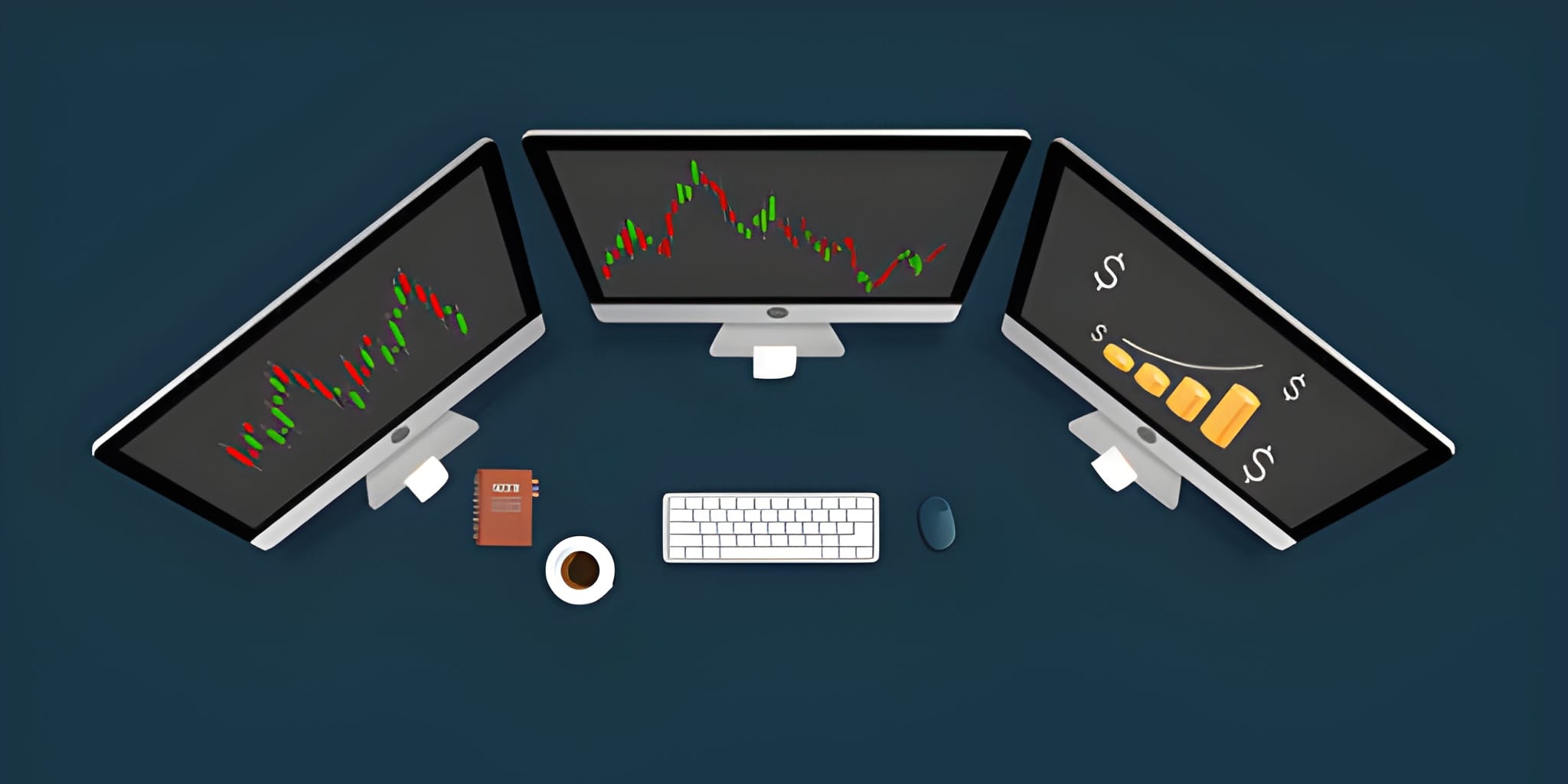
The professional day trader operates in an environment where seconds define the difference between a successful capture and a significant slippage. A charting platform serves as the central nervous system of a trading operation, ingesting millions of data packets and rendering them into visual frameworks that human intuition can process. Selecting the right platform requires a deep analysis of market microstructure, execution latency, and technical flexibility. While the retail market offers dozens of simplified mobile applications, the professional session demands robust local software or high-performance cloud environments capable of handling Level 2 depth, volume profile analysis, and real-time algorithmic execution.
Thinkorswim: The Desktop Powerhouse
Thinkorswim, originally developed by TD Ameritrade and now fully integrated into the Charles Schwab ecosystem, remains a dominant force in the professional retail sector. It is a heavy-duty local application designed to provide the same analytical depth found on institutional desks. For the day trader, its most valuable feature is the Active Trader ladder—a vertical price interface that allows for sub-second order entry, modification, and cancellation via mouse or hotkey.
The platform excels in its ability to handle multiple asset classes simultaneously. A trader can monitor SPY options flow, Nasdaq futures, and large-cap equity breakouts within a single unified workspace. The integration of thinkScript allows for the creation of custom indicators that can scan the entire market in real-time, filtering for specific volatility expansions or volume imbalances that align with the trader's strategic edge.
One of the unique structural advantages of Thinkorswim is the OnDemand feature. This acts as a "financial time machine," allowing traders to rewind the market to any specific day in the last decade. You can replay the price action bar-by-bar, executing trades with virtual capital to test how a strategy would have performed during historical periods of extreme volatility. This compresses years of screen time into months of intensive deliberate practice.
TradingView: Cloud-Based Innovation
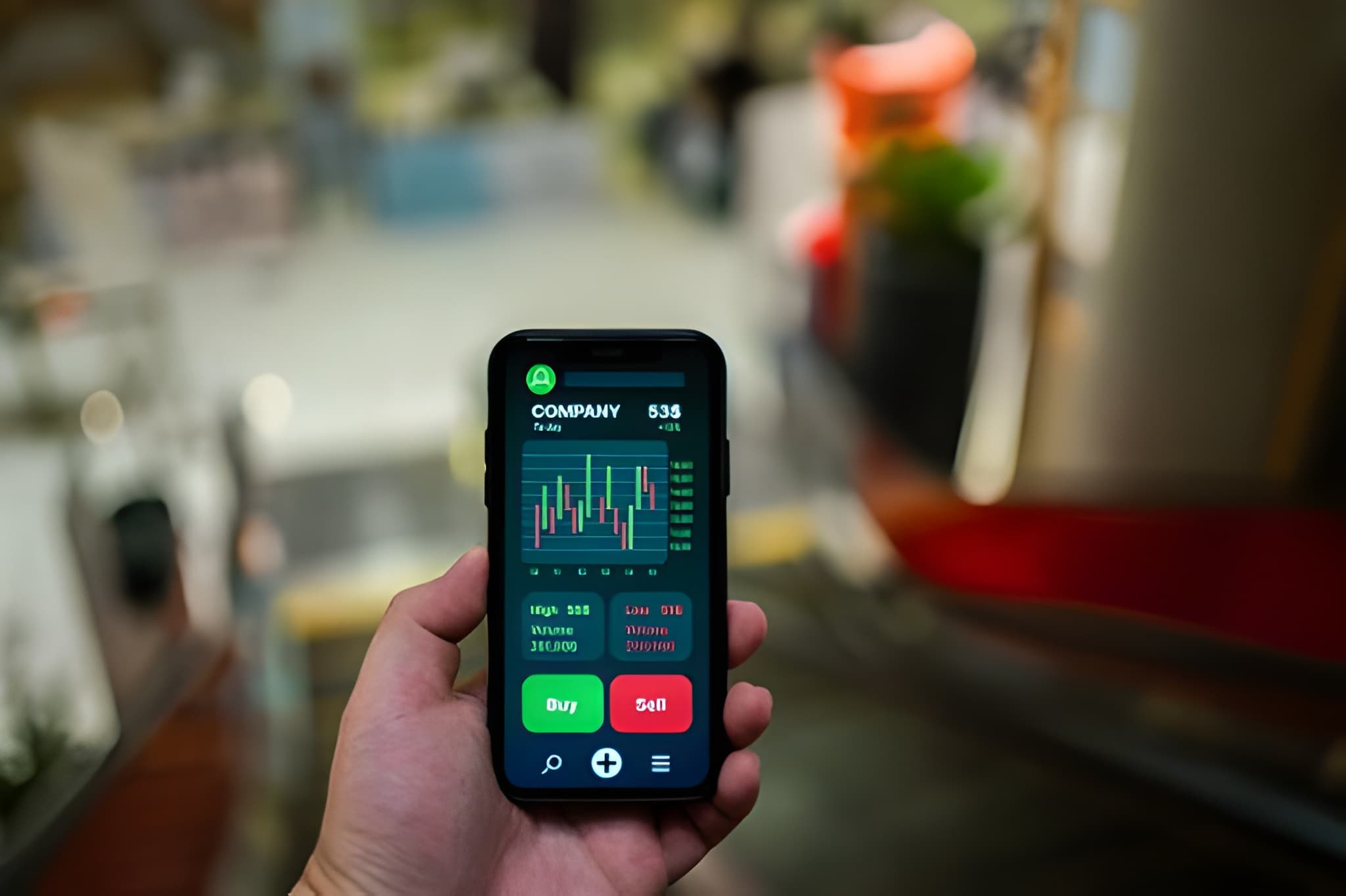
TradingView has revolutionized the industry by proving that high-performance charting can exist within a web browser. It utilizes a lightweight, extremely responsive HTML5 engine that offers the smoothest visual experience currently available. For the modern trader who operates across multiple devices, TradingView provides a seamless transition: a chart analyzed on a desktop is instantly synchronized with the mobile application, ensuring that technical levels are always accessible.
Beyond its visuals, TradingView is the leader in Social Integration and community-driven scripts. Through Pine Script, thousands of traders share open-source indicators and automated trading bots. This creates a collective intelligence environment where complex ideas, like machine learning-based trend filters or institutional supply-and-demand zones, are shared and refined by the community.
NinjaTrader: Order Flow Precision
NinjaTrader is the specialist's choice, particularly for those focused on the Futures Market. It is a highly modular platform where the core software is designed to accommodate specialized third-party add-ons. For traders who rely on "Order Flow" or "Market Profile," NinjaTrader offers a level of granularity that standard retail platforms cannot match.
The Order Flow+ suite provides a surgical look into the limit order book. It visualizes where big institutional buyers and sellers are sitting (the "Heatmap") and tracks the aggressive market orders hitting the tape (the "Footprint Chart"). This allows the day trader to see the "why" behind price movement—identifying whether a breakout is backed by real institutional volume or if it is merely a low-liquidity "fakeout" designed to trap retail participants.
Direct Market Access (DMA) Execution: < 10ms
Human Reaction Time: 250ms
Net Competitive Advantage: Using a platform with high-speed data feeds and hotkey execution can save 100ms+ per trade. In a high-frequency scalping environment, this equates to 1-2 cents of slippage per share. Over 10,000 shares a day, this is a $100 - $200 daily efficiency gain.
MetaTrader: The Global Standard
MetaTrader 4 (MT4) and MetaTrader 5 (MT5) are the ubiquitous standards for the Foreign Exchange (Forex) market. Developed by MetaQuotes, these platforms are known for their extreme reliability and minimal hardware requirements. While the interface appears dated compared to TradingView, its functionality is clinical and focused on automated execution.
The platform's dominance is fueled by Expert Advisors (EAs). EAs are automated trading programs written in MQL4 or MQL5. Because so many traders use MetaTrader, there is a massive marketplace for automated strategies. This allows for "Passive Day Trading," where the user monitors the system's logic while the software handles the sub-second execution across multiple currency pairs.
Trader Workstation: Institutional Depth
Interactive Brokers (IBKR) provides the Trader Workstation (TWS), a platform that feels like it belongs in the back office of a major investment bank. It is complex, visually dense, and intimidating for beginners, but it offers the most comprehensive global connectivity. From TWS, a trader can access virtually every exchange on earth—from the New York Stock Exchange to the Tokyo Stock Exchange.
Data Feeds and Latency Physics
The platform you choose is only as good as the data you feed into it. Professional traders avoid "Delayed Data" or "Aggregated Feeds" provided by free platforms. Instead, they pay for Tick-by-Tick Level 1 and Level 2 data. This ensures that every transaction is reported in real-time. Without high-quality data, your charts are essentially a "lagging mirror" of what has already happened, making it impossible to catch rapid intraday reversals.
Custom Logic and Algorithmic Support
The modern day trader must be part-analyst and part-architect. Professional platforms provide scripting languages that allow you to automate the Identification of Setup. For example, a trader might code a script that alerts them when a stock is crossing its VWAP (Volume Weighted Average Price) while the Relative Strength Index (RSI) is under 30 on a 5-minute chart. This automation removes the emotional fatigue of scanning hundreds of stocks manually, allowing the trader to save their mental energy for the moment of execution.
Expense and Infrastructure Math
Trading is a business, and the charting platform is your primary overhead cost. You must balance the platform fee, the data feed fee, and the hardware requirements. A "free" platform with poor data can cost you thousands in slippage, while a $200/month platform can pay for itself in a single well-executed trade.
| Platform | Best Asset Focus | Core Advantage | Cost Profile |
|---|---|---|---|
| Thinkorswim | Options / Equities | Unified analysis & execution desk | Free (with Schwab account) |
| TradingView | Crypto / Multi-Asset | Cloud sync & visual clarity | $15 - $60 / month |
| NinjaTrader | Futures | Unrivaled Order Flow data | Free (Standard) / $1,000+ (Lifetime) |
| MetaTrader 5 | Forex / CFDs | Algorithmic EAs & reliability | Free (via Broker) |
| IBKR TWS | Global Stocks / Pro | Institutional order types | Free (with account) / Paid Data |
Synthesizing the Decision Matrix
The "best" platform does not exist in a vacuum; it is a function of your Strategic Archetype. If you are an options scalper, the speed and "Greeks" visualization of Thinkorswim are essential. If you are a futures momentum trader, the order flow depth of NinjaTrader is your primary edge. If you are a visual trend follower who trades from multiple locations, the cloud-based elegance of TradingView is superior.
The final decision should be based on Trial and Testing. Most professional platforms offer demo accounts where you can experience the execution latency and the charting workflow before committing real capital. Treat your platform selection with the same rigor you apply to your risk management. In the world of day trading, your software is your armor, your data is your visibility, and your platform is the engine that drives your career forward. Consistency is born from a stable environment; choose the one that facilitates your process without friction.