- The Strategic Value of Market Simulation
- Thinkorswim: The Professional Gold Standard
- TradingView: Web-Based Visual Analysis
- Interactive Brokers: Institutional Depth
- Mobile-First Apps for On-the-Go Practice
- The Psychological Gap: Fake Money vs. Real Risk
- Mathematical Modeling in Virtual Accounts
- Simulating Different Asset Classes
- Platform Feature Comparison Grid
- Transitioning from Virtual to Live Capital
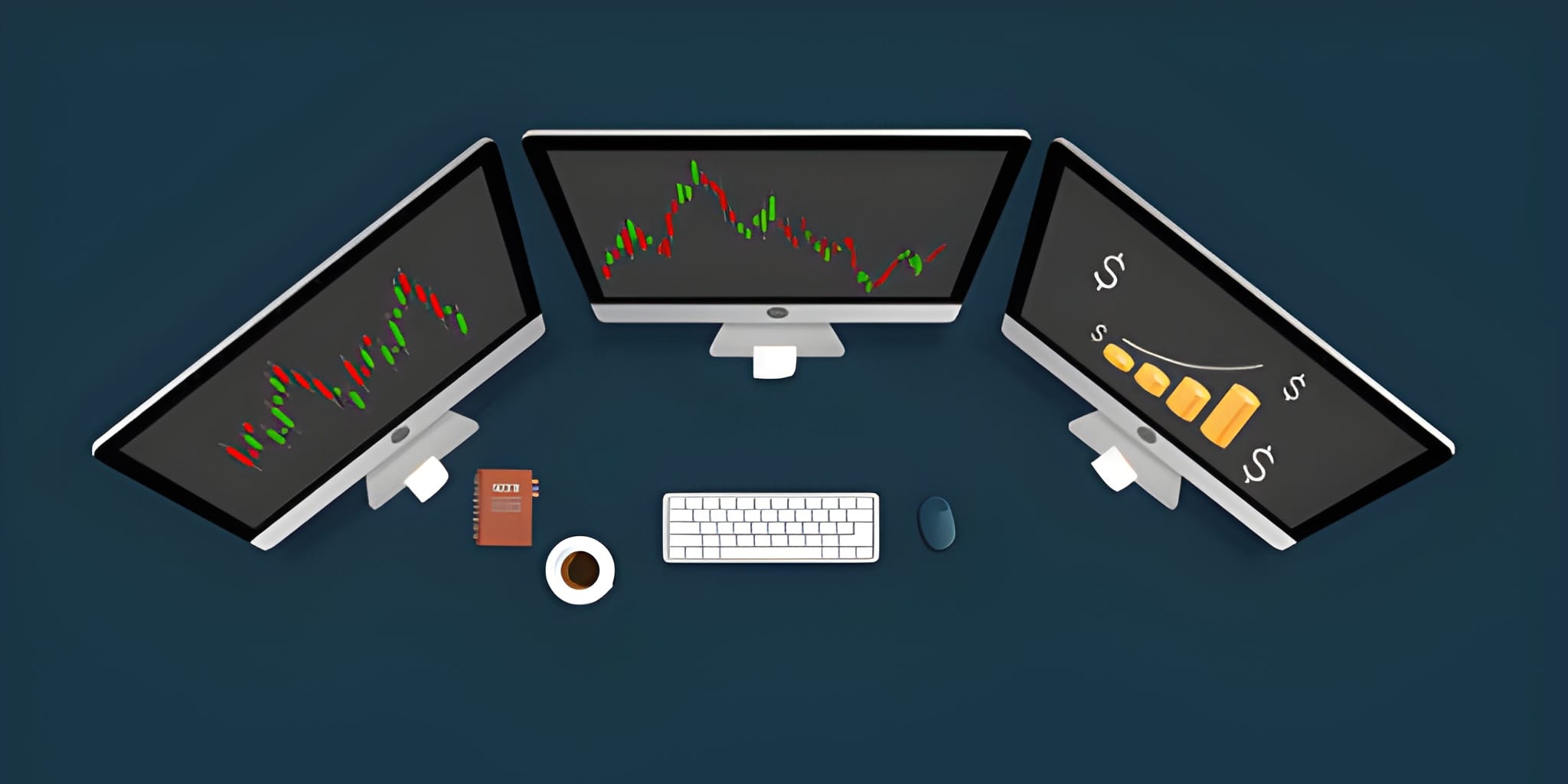
Day trading requires a synthesis of rapid technical analysis, emotional fortitude, and precise mechanical execution. For the aspiring participant, entering the live market without a proven strategy is akin to a pilot entering a cockpit without ever using a flight simulator. Paper trading, or market simulation, provides a risk-free environment where individuals refine their decision-making processes using virtual capital. This phase of development serves as the forge where trading plans are tested, hardware configurations are optimized, and the biological impulse to gamble is replaced by a clinical focus on statistical probability. In modern finance, virtual practice is not an optional step; it is the prerequisite for professional survival.
Thinkorswim: The Professional Gold Standard
Thinkorswim, now integrated into the Charles Schwab ecosystem, remains the most sophisticated simulation environment available to retail traders. Its PaperMoney feature provides a near-identical replica of the live trading desk. This is not a simplified app; it is a heavy-duty local application that processes millions of data points, providing access to Level II quotes, time and sales, and the full range of technical studies used by institutional desks.
The primary advantage of Thinkorswim is its OnDemand feature. While most simulators only work during market hours, OnDemand allows you to rewind the market to any day in the last decade and replay the price action bar-by-bar. This enables a trader to practice a year's worth of "Opening Range Breakouts" in a single weekend. By compressing time, you accelerate the pattern recognition skills that normally take years to develop.
The platform utilizes thinkScript, a proprietary scripting language. In the virtual environment, you can code custom alerts and automated strategies to see how they would have performed during historical black swan events. This level of backtesting and forward-testing is essential for verifying that a strategy has a mathematical edge before committing real capital.
TradingView: Web-Based Visual Analysis
TradingView has revolutionized the accessibility of paper trading by providing a cloud-based solution that works in any browser. For traders who prioritize visual clarity and social collaboration, TradingView is the premier choice. Its Paper Trading module is intuitive, allowing for one-click execution directly from the charts. The platform is particularly strong for those who trade multiple asset classes, as it provides a unified interface for stocks, forex, and cryptocurrencies.
The Bar Replay tool on TradingView serves a similar function to Thinkorswim’s OnDemand, allowing users to hide future price action and advance the chart one candle at a time. This forces the trader to make a decision based on the information available at that specific moment, preventing the "hindsight bias" that plagues most manual backtesting efforts.
Interactive Brokers: Institutional Depth
Interactive Brokers (IBKR) provides the Trader Workstation (TWS) for their Paper Trading accounts. This platform is notoriously complex, but it offers the most realistic simulation of institutional order flow. If you intend to trade global markets—such as the London Stock Exchange, the Tokyo Stock Exchange, or specialized futures contracts—IBKR is the only simulator that provides the necessary breadth of coverage.
Mobile-First Apps for On-the-Go Practice
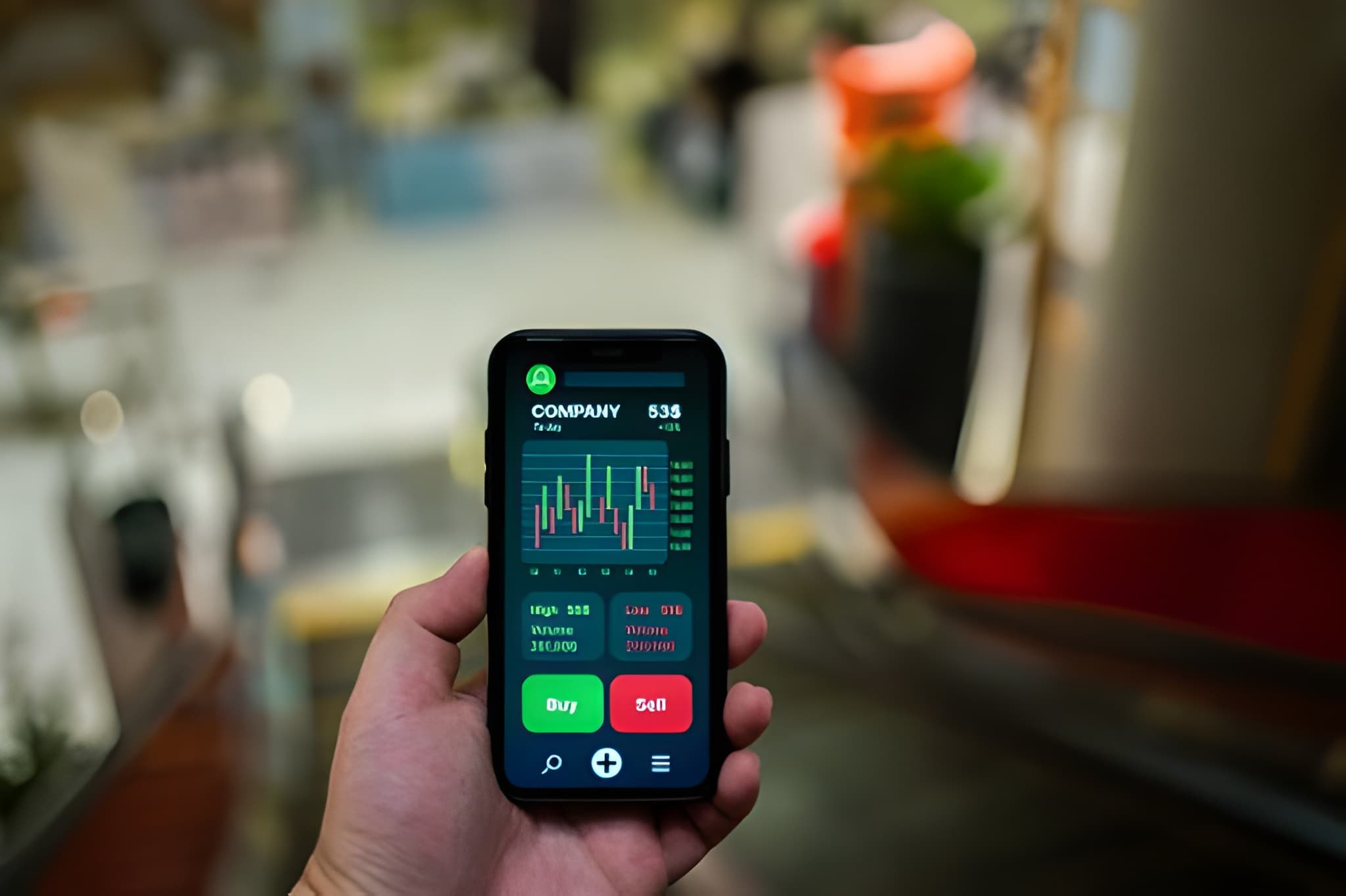
While professional day trading usually requires multiple monitors and a desktop environment, mobile apps have become sophisticated enough for supplementary practice. These platforms focus on UX and accessibility, making them ideal for individuals who are still learning the basics of order types and price action during their daily commute.
The Psychological Gap: Fake Money vs. Real Risk
The greatest limitation of practicing with fake money is the absence of Biological Stress. In a paper account, a $1,000 loss is a data point; in a live account, it is a mortgage payment. This discrepancy often leads to "The Simulator Trap," where a trader develops an aggressive style that works in a vacuum but falls apart under the pressure of real financial risk.
When there is no money on the line, the amygdala—the brain's fear center—remains dormant. You are likely to hold winning trades longer and cut losing trades faster when the capital isn't yours. To bridge this gap, professionals recommend treating the virtual account with Extreme Mental Discipline. You must react to a virtual stop-loss with the same urgency you would a live one. If you find yourself "resetting" the account balance after a loss, you are practicing gambling, not trading.
Mathematical Modeling in Virtual Accounts
Success in day trading is a result of managing the Risk-to-Reward Ratio and Position Sizing. Your virtual practice must be grounded in the same mathematics you will use when live. This prevents the formation of "bad habits," such as using unrealistic position sizes that your future live account could never support.
Risk per Trade (1%): $1,000
Stock Entry Price: $150.00
Stop Loss Price: $148.50
Risk per Share: $1.50
Shares to Buy: $1,000 / $1.50 = 666 Shares
Total Capital Used: 666 * $150 = $99,900
In a virtual account, many beginners ignore this math and buy 10,000 shares of a $150 stock. This creates an unrealistic profit expectation. When they move to a $5,000 live account, they realize they can only buy 33 shares, and the emotional frustration of "making pennies" leads to over-leveraging and eventual account blowup. Practice the math of your future live account, not your virtual one.
Simulating Different Asset Classes
The "App" you choose should depend on the asset class you intend to master. Each market has a different rhythm and regulatory framework. For instance, simulating equities requires an understanding of the Pattern Day Trader (PDT) rule, while simulating Forex requires understanding the impact of Leverage and Spread.
| Asset Class | Best Simulation Tool | Key Learning Objective | Complexity |
|---|---|---|---|
| US Equities | Thinkorswim (Schwab) | Mastering Level II and order book depth. | High |
| Options | OptionStack / Thinkorswim | Understanding Greek decay (Theta) and volatility. | Very High |
| Futures | NinjaTrader / Tradovate | Managing high leverage and 23-hour liquidity. | Moderate |
| Forex | MetaTrader 4/5 (Demo) | Calculating Pip values and margin requirements. | Moderate |
| Crypto | Binance / TradingView | Navigating 24/7 markets and erratic volatility. | Low |
Platform Feature Comparison Grid
Choosing the right simulation environment is a balance between technical power and ease of use. Below is a comparison of the most popular professional-grade simulation ecosystems.
- Best Feature: OnDemand Replay
- Platform: Windows/Mac App
- Ideal for: Serious professionals.
- Best Feature: Charting UX/Social
- Platform: Browser/Mobile
- Ideal for: Visual/Multi-asset traders.
- Best Feature: Global connectivity
- Platform: Windows/Mac App
- Ideal for: Global/Institutional styles.
Transitioning from Virtual to Live Capital
The final stage of the virtual arena is the "Soft Launch." You do not move from $100,000 in fake money to $100,000 in real money in a single day. The transition should be gradual to allow your nervous system to adapt to the reality of financial consequences. Most successful traders utilize a Three-Tier Transition:
- Simulated Consistency: Prove profitability in the virtual arena for at least three consecutive months.
- Micro-Live: Trade the smallest possible position size (e.g., 1 share or 1 micro-contract) to experience live execution and emotions.
- Scaled Growth: Increase position size by 25% every month, provided your performance metrics remain consistent.
Trading is a business of logistics and psychology. The platforms discussed here provide the logistics, but only your personal discipline provides the psychology. Treat your virtual capital as your only capital. Log every trade in a journal as if it were being audited by an institutional investor. Use the simulator to build a mountain of data that proves your strategy works. When you finally click the "Buy" button with real money, it should feel like just another day in the simulator—nothing more than the execution of a well-rehearsed plan.