- 1. The Necessity of the Risk-Free Repetition
- 2. Broker-Integrated vs. Standalone Simulators
- 3. Gold Standard: Thinkorswim Paper Money
- 4. Browser-Based Visuals: TradingView
- 5. Direct Access Tools: NinjaTrader and IBKR
- 6. The Psychological Gap: Why Paper Profits Fail
- 7. Calculating Realism: The Slippage Factor
- 8. A Structured Practice Roadmap
- 9. Common Questions on Simulation
The Necessity of the Risk-Free Repetition
Day trading remains one of the few professions where novices attempt to compete with world-class experts on day one using live capital. In any other field, such as medicine or aviation, practitioners spend hundreds of hours in simulated environments before assuming real-world responsibility. Professional trading requires the same commitment to "synthetic" experience. Using a practice app or paper trading platform allows you to develop muscle memory, refine technical entries, and test risk management protocols without the looming threat of account liquidation.
Modern trading simulators have evolved beyond simple spreadsheet tracking. Today, high-fidelity practice apps offer real-time Level 2 data, hotkey execution, and order book depth that perfectly mirror the live market environment. By treating these virtual sessions with the same gravity as live trades, you bridge the gap between theoretical knowledge and operational competency.
Broker-Integrated vs. Standalone Simulators
When selecting an app to practice day trading, you encounter two primary categories: broker-integrated simulators and standalone educational tools. Each serves a specific purpose depending on your current stage of development and your eventual goal for live trading.
Broker-integrated platforms allow you to practice on the exact software you will eventually use for live capital. This eliminates the "interface shock" that occurs when moving from a practice app to a professional trading desk. Standalone simulators, conversely, often focus on specific historical data, allowing you to "replay" previous market days at accelerated speeds to maximize your learning efficiency.
Gold Standard: Thinkorswim Paper Money
For traders in the United States, Charles Schwab’s Thinkorswim platform (formerly TD Ameritrade) remains the industry benchmark for simulation. Their "Paper Money" feature provides a highly sophisticated environment that includes almost every tool available to professional hedge fund managers. You receive a virtual balance of 100,000 dollars, which you can reset at any time to test different sizing strategies.
The primary benefit of Thinkorswim is the depth of its technical analysis tools. You can write custom scripts, scan for real-time volatility, and even practice complex options strategies. Because the interface is identical to the live version, the transition from paper to live capital is seamless.
Browser-Based Visuals: TradingView
TradingView has revolutionized the accessibility of market data. Its paper trading feature is entirely web-based, meaning you can practice on any device without installing heavy software. It is particularly effective for traders who prioritize clean aesthetics and social integration.
TradingView’s "Bar Replay" feature is a standout tool for active learners. It allows you to pick any point in history and play the candles forward one by one. This forces you to make decisions without seeing the future, which is the most effective way to test if your technical setup actually possesses a statistical edge.
Direct Access Tools: NinjaTrader and IBKR
Traders aiming for the futures or high-frequency equity markets often gravitate toward NinjaTrader or Interactive Brokers (IBKR). NinjaTrader is specifically built for order flow trading, offering a simulator that accounts for the "queuing" of orders in the exchange book. This provides a level of realism that basic web apps cannot match.
| Platform | Best For | Real-Time Data Cost | Ease of Use |
|---|---|---|---|
| Thinkorswim | Advanced charting & options | Free with account | Moderate |
| TradingView | Visual backtesting & web use | Subscription required | High |
| NinjaTrader | Futures & Order Flow | Exchange fees apply | Low (Steep curve) |
| Webull | Mobile-first quick practice | Free (Basic) | High |
The Psychological Gap: Why Paper Profits Fail
The most common complaint among developing traders is the "Simulator Curse": achieving massive gains in the practice app but losing money immediately upon going live. This occurs because simulators remove the physiological response to risk. In a practice app, you do not feel the cortisol spike when a position goes 500 dollars against you. You do not feel the urge to "revenge trade" when a virtual stop loss is hit.
To make practice effective, you must introduce personal stakes. Some professional coaches recommend "punishment" protocols for simulator errors, such as physical exercise or restricted recreational time, to create a negative feedback loop for poor discipline. Without an emotional anchor, paper trading remains a game rather than a training exercise.
Calculating Realism: The Slippage Factor
Most practice apps assume perfect execution. If the "Ask" price is 150.00 dollars and you click buy, the app gives you 150.00. In the real market, especially in high-volatility environments, you might experience "slippage," where you are filled at 150.05. Over hundreds of trades, this gap determines whether a strategy is profitable or bankrupt.
Gross Simulator Profit: 2,500 dollars
Number of Trades: 50
Estimated Real-World Slippage (per share): 0.02 dollars
Average Share Size: 500 shares
Total Slippage Impact = 50 * 500 * 0.02 = 500 dollars
Net Realistic Profit = 2,500 - 500 = 2,000 dollars
Always discount your simulator results by 20% to 30% to account for commissions and execution friction.
A Structured Practice Roadmap
Professional development in a practice app should follow a specific hierarchy. Do not simply click buttons randomly. Follow this structured roadmap to move from novice to competent practitioner:
Common Questions on Simulation
The standard benchmark for professional competency is three consecutive months of profitability in the simulator while following a strict plan. If you cannot remain disciplined when the money is "fake," you will certainly fail when the money is real. Duration is less important than consistency.
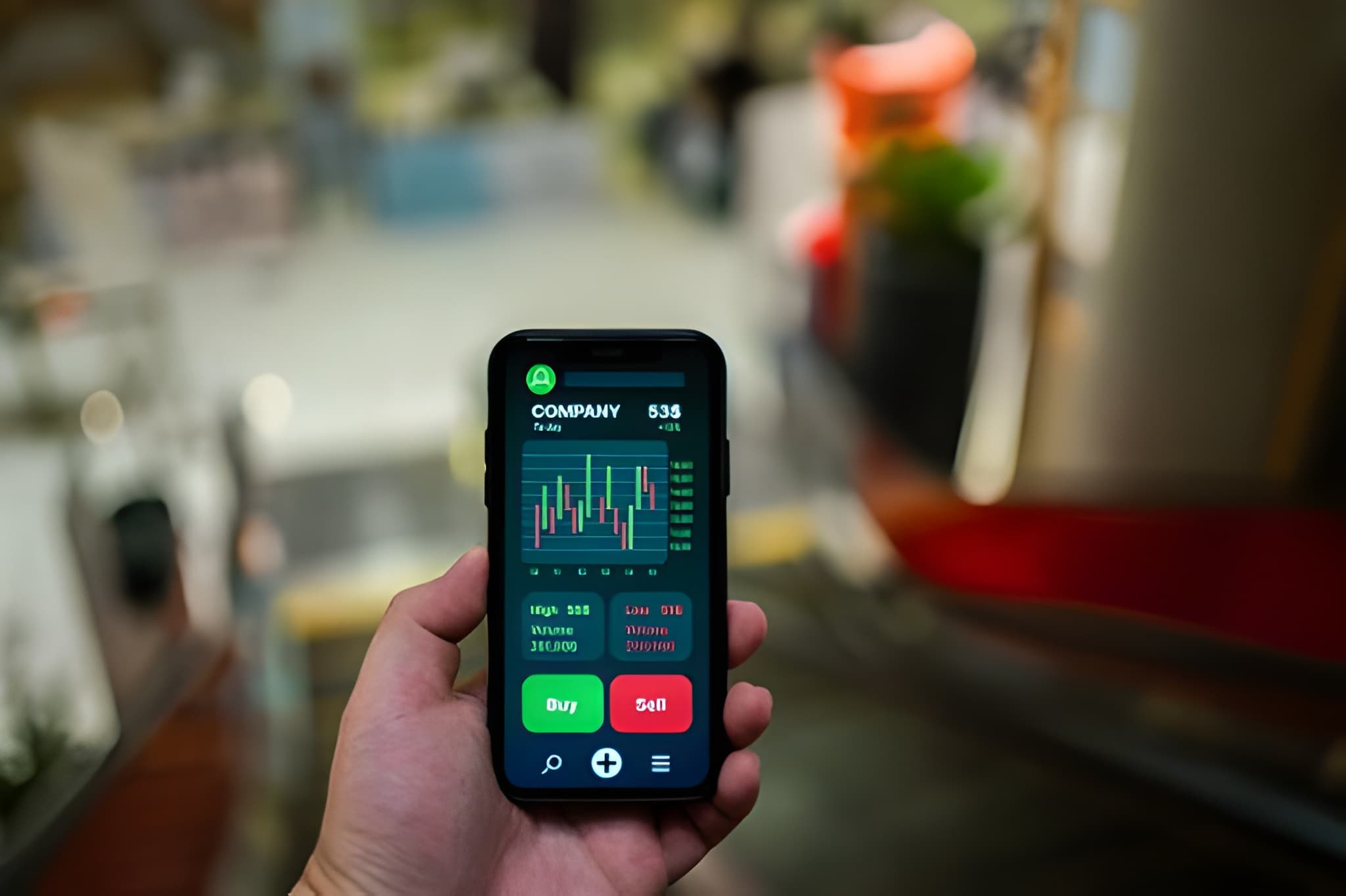
Mobile apps like Webull or Robinhood are excellent for checking prices or managing long-term swings, but they are generally unsuitable for professional day trading practice. Day trading requires multiple screens, Level 2 depth, and rapid execution that small touchscreens cannot provide. Practice on the device you intend to use for your business.
Yes. Platforms like NinjaTrader and TradingView offer "Market Replay" or "OnDemand" features. These tools allow you to download the data for any previous trading day and play it back in real-time. This is the fastest way to gain "screen time" and is highly recommended for those with full-time jobs.
Institutional References: Financial Industry Regulatory Authority (FINRA) Education Series on Paper Trading. Charles Schwab Trading Services Research. SEC Investor Bulletin: The Risks of Day Trading.