The democratization of the stock market has led to an era where individual traders possess tools that were once the exclusive domain of Wall Street institutions. At the forefront of this movement are two powerhouses: Webull and Robinhood. While both offer commission-free trading, they cater to fundamentally different philosophies of market interaction. For the day trader, the choice between these two platforms isn't just about aesthetics—it is about execution speed, data depth, and the technical infrastructure required to capture intraday alpha.
Core Trading Philosophies
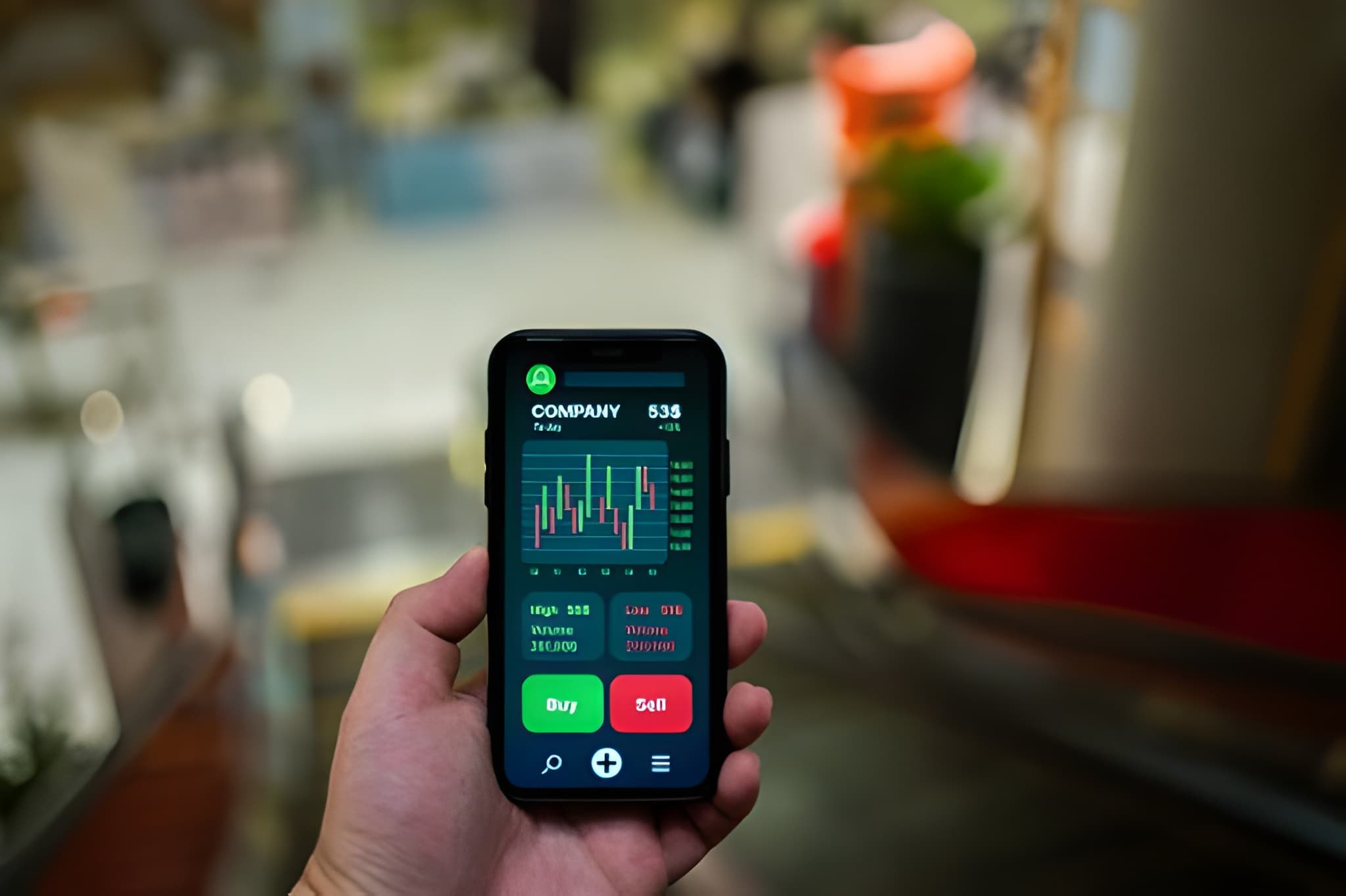
Understanding the DNA of these platforms is the first step in deciding where to deposit your capital. Robinhood was built with a mobile-first, "simplicity-above-all" approach. Its goal was to strip away the intimidating complexity of traditional brokerages to encourage mass participation. This makes it an excellent choice for casual investors but creates significant friction for high-frequency day traders who need information at a glance.
Webull, conversely, was designed as a bridge between retail ease and professional utility. It assumes the user wants more data, not less. The platform provides a dense, information-rich environment that resembles a scaled-down Bloomberg Terminal or thinkorswim. For a day trader, information density is a requirement for survival, not a luxury.
Webull
Target: Active, technical traders.
Strengths: Advanced charting, Level 2 data, comprehensive desktop app.
Robinhood
Target: New investors and passive traders.
Strengths: Extreme simplicity, 24/5 trading, intuitive mobile UI.
Interface and User Experience
Day trading is a performance discipline. A single second of hesitation or a misplaced "buy" button can result in thousands of dollars in slippage. Robinhood’s interface is beautiful in its minimalism. It uses bold colors and clean lines to show you exactly where your money is. However, this minimalism often hides critical data points behind multiple taps. For a day trader who needs to monitor the S&P 500 futures, a sector heatmap, and their target stock simultaneously, Robinhood’s mobile app feels restrictive.
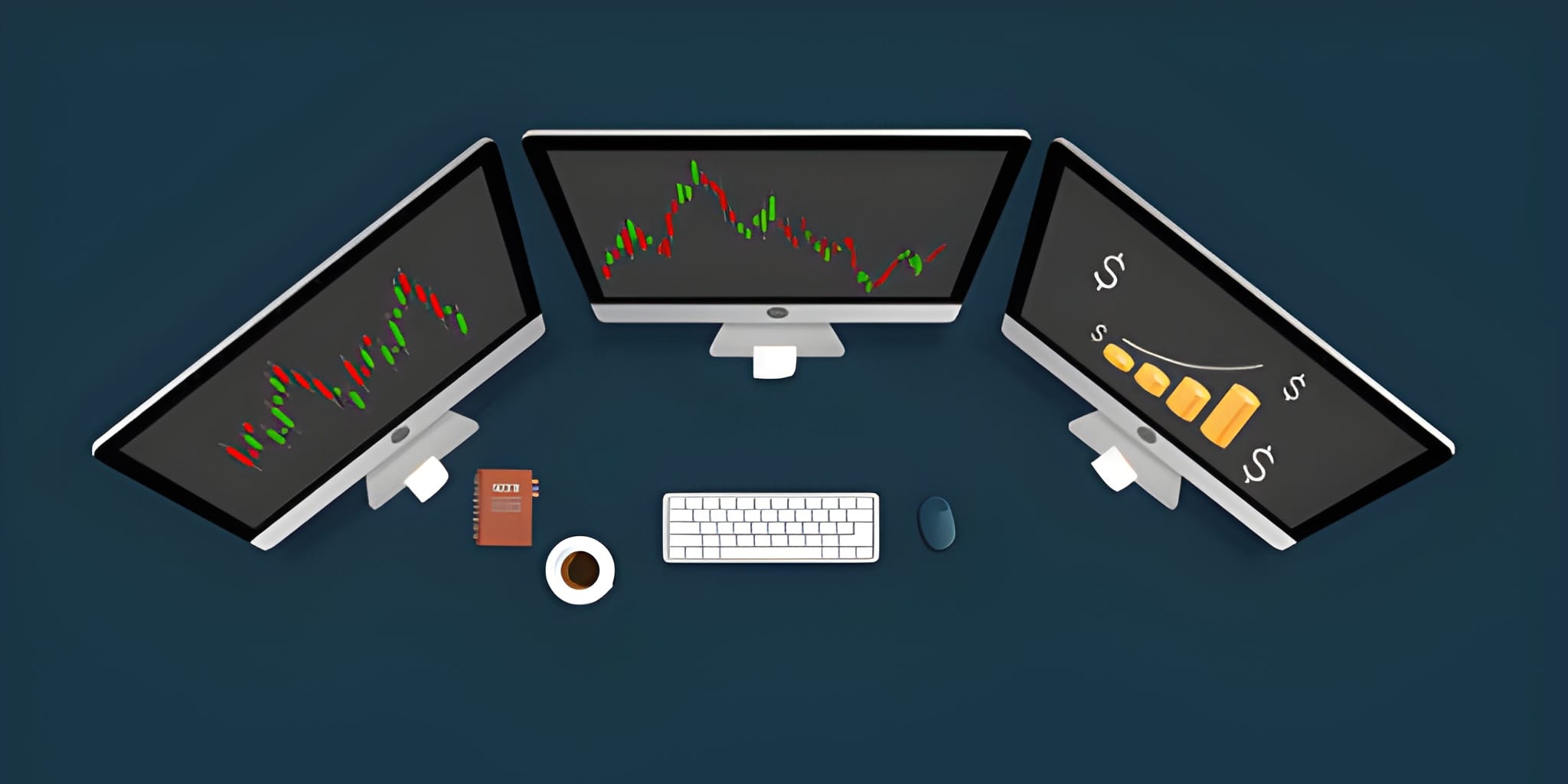
Webull’s desktop application is where the platform truly shines. It allows for a fully customizable workspace with multi-monitor support. You can dock widgets for news, volume analysis, order flow, and technical indicators in a single view. The ability to trade directly from the charts—a feature known as "hotkey trading"—is a game-changer for day traders who need to enter and exit positions within seconds of a pattern breakout.
Technical Analysis & Charting
Technical analysis is the primary language of the day trader. Without robust charting, you are essentially flying blind in a storm. Robinhood provides basic line and candlestick charts, but its indicator library is remarkably thin. You can view moving averages and the Relative Strength Index (RSI), but advanced tools like Bollinger Bands, MACD, or Fibonacci retracements are either missing or difficult to manipulate.
Webull offers over 50 technical indicators and 12 different charting tools. More importantly, it supports advanced chart types like Heikin-Ashi and Renko, which are vital for filtering out market noise during volatile sessions. The platform also includes a powerful stock scanner that allows you to filter the entire market in real-time based on price gaps, volume surges, or specific technical crossovers.
Webull provides multi-chart layouts allowing you to view up to 9 charts in a single tab. Traders can overlay multiple indicators, use drawing tools like Gann Fans and Trend Channels, and save specific templates for different strategies (e.g., a "Scalping" template vs. a "Swing" template).
Level 2 & Order Book Depth
Level 2 data provides a window into the "Order Book"—the specific prices where market makers and institutions are placing their buy and sell orders. For a day trader, Level 2 is the "crystal ball" that reveals where heavy resistance or support exists before the price actually reaches those levels.
Robinhood offers Level 2 data through its "Gold" subscription, which carries a monthly fee. It provides data from the Nasdaq TotalView, showing the depth of the book. While this is helpful, Webull often provides promotional periods of free Level 2 data and includes access to the NBBO (National Best Bid and Offer) and depth from multiple exchanges, including ARCA and NYSE. This broader view of liquidity is essential for traders dealing in low-float stocks where order book imbalances drive price action.
Order Execution and PFOF
Both brokers utilize a model called Payment for Order Flow (PFOF). This means they route your orders to market makers like Citadel Securities or Virtu Financial rather than directly to the exchange. In exchange for this "order flow," the market makers pay the broker a small fee. This is how they provide "free" trades.
The downside of PFOF for day traders is the potential for slightly slower execution speeds or "worse fills." If you buy a stock at 10.05, a direct-access broker might have filled you at 10.045, saving you 50 cents on a 100-share order. Over thousands of trades, these fractions add up.
| Metric | Webull | Robinhood |
|---|---|---|
| Execution Type | PFOF / Smart Routing | PFOF / Smart Routing |
| Execution Speed | Relatively fast (Desktop) | Standard (Mobile-optimized) |
| Price Improvement | Average | High focus on retail improvement |
| Order Types | Limit, Stop, Trailing, OCO | Basic Limit, Stop, Trailing |
Extended Trading Hours
The 9:30 AM to 4:00 PM EST window is only a fraction of the story. Massive price moves often occur during earnings releases after hours or during pre-market data prints. A day trader without full access to these sessions is at a massive disadvantage.
Webull offers one of the most generous extended hours windows in the industry, allowing trading from 4:00 AM to 8:00 PM EST. This allows you to react to news hours before the "opening bell" crowd. Robinhood has recently introduced 24/5 trading for certain popular stocks and ETFs, which is revolutionary for global access, but for most standard stocks, its pre-market and after-hours windows are slightly more restrictive than Webull’s.
Margin Rates and PDT Rules
Day trading often requires leverage. In the United States, the Pattern Day Trader (PDT) rule requires you to maintain a minimum of 25,000 USD in equity if you wish to make more than three day trades in a rolling five-day period. Both brokers strictly enforce this FINRA regulation.
If you have 30,000 USD in a margin account, the standard intraday leverage is 4:1.
Note: Overnight leverage typically drops to 2:1. Holding positions past 4:00 PM requires significantly more margin maintenance.
Margin interest rates are another critical factor. If you hold positions overnight using borrowed money, the interest can eat into your profits. Robinhood Gold offers a competitive fixed amount of "included" margin with a flat rate thereafter. Webull’s margin rates are tiered—the more you borrow, the lower the percentage rate becomes. For large-scale traders, Webull’s tiers can be more cost-effective.
Final Verdict for Professionals
Choosing between Webull and Robinhood is a matter of matching the tool to the task. If your goal is to grow a long-term portfolio of blue-chip stocks while occasionally trading a few options on your lunch break, Robinhood is the superior choice due to its frictionless interface and simplified tax reporting.
However, if you are serious about professional day trading—if you want to read tape, analyze complex technical patterns, and execute trades with hotkeys—Webull is the clear winner. It provides a professional-grade workstation for the price of zero commissions. The learning curve is steeper, but the ceiling for growth is significantly higher.
Ultimately, many professional traders use both. They might keep their long-term, passive investments in Robinhood to benefit from its clean tracking and 3% IRA matches, while moving their active day trading bankroll to Webull to utilize its superior technical infrastructure. In the high-stakes world of finance, compartmentalizing your strategies is often the smartest move you can make.