The Professional Grade: Analyzing Top-Rated Day Trading Platforms
Selecting a day trading platform is the most critical infrastructure decision for an active market operator. The transition from a casual retail interface to a professional terminal determines the quality of execution, the speed of information processing, and the ultimate viability of a trading desk.
Strategic Navigator
The Architecture of Execution Logic
Day traders operate in an environment where seconds—and sometimes milliseconds—dictate the difference between a profitable entry and a costly mistake. Consequently, the primary metric for a top-rated platform is not the aesthetic appeal of its user interface, but the robustness of its execution logic. Most retail platforms utilize Smart Routing, where the broker determines the path your order takes to find a fill. While this simplifies the process, it often introduces latency.
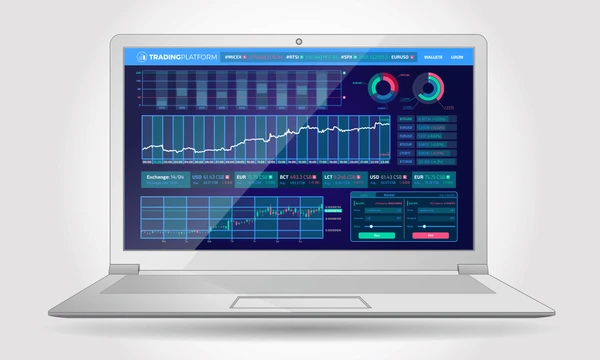
Professional operators prioritize Direct-Access Routing. This technology allows the trader to bypass the broker’s internal routing engine and send orders directly to specific Electronic Communication Networks (ECNs) or exchanges like NASDAQ, NYSE, or ARCA. By selecting the route, the trader can capture ECN rebates and ensure their order hits the book with the lowest possible latency. A top-rated platform must provide this transparency to be considered a professional tool.
Direct-Access Routing Specialists
For traders who focus on high-frequency scalping or momentum trading in low-float equities, direct-access platforms are the industry standard. These programs are often sold as standalone software that connects to various clearing firms. They prioritize mechanical precision and hotkey efficiency over educational resources or social integration.
Widely considered the gold standard for execution speed. It offers a surgical level of control over order routing and advanced hotkey configurations. It is the platform of choice for proprietary trading firms and professional momentum traders.
A heavy-duty institutional terminal used by professional desks globally. It excels in basket trading and managing multiple complex positions simultaneously. Its backend is designed for high-volume data throughput without system lag.
The primary advantage of these specialists is the Level 2 Market Depth. This data feed provides a transparent view of the full order book, allowing traders to see large institutional blocks sitting at specific price levels. Identifying these "walls" of supply or demand allows a trader to anticipate price reversals before they appear on a standard candlestick chart.
Multi-Asset Institutional Powerhouses
Some brokerages have managed to integrate institutional-grade tools into a self-contained ecosystem. These platforms appeal to traders who require access to a wide variety of asset classes—including stocks, options, futures, and international markets—from a single margin account.
Interactive Brokers (IBKR) offers the Trader Workstation (TWS), a platform renowned for its complexity and capability. It provides access to over 150 global markets. While the learning curve is steep, TWS offers unmatched depth in algorithmic order types and risk management tools. It is the preferred choice for quantitative traders and those who trade a sophisticated global portfolio.
Thinkorswim (TOS) remains the most popular platform for technical analysis and options trading. Its scripting language, ThinkScript, allows traders to build bespoke indicators and automated scanners. Following the acquisition by Schwab, TOS continues to lead the industry in charting depth and community-driven technical tools. It bridges the gap between retail simplicity and professional analysis perfectly.
These platforms often provide a more holistic environment, including integrated news feeds (like Benzinga or Reuters), advanced scanning capabilities, and robust backtesting engines. For a trader who manages their own research and execution, having these tools in a single environment reduces the friction of context-switching between different software applications.
Technical Retail Leaders: The New Era
The last several years have seen the rise of "technical retail" platforms. These apps target the modern trader who demands a clean, mobile-optimized experience without sacrificing the data required for technical analysis. Unlike the "swipe-to-trade" apps of the past, these platforms integrate Level 2 data and advanced charting into a modern interface.
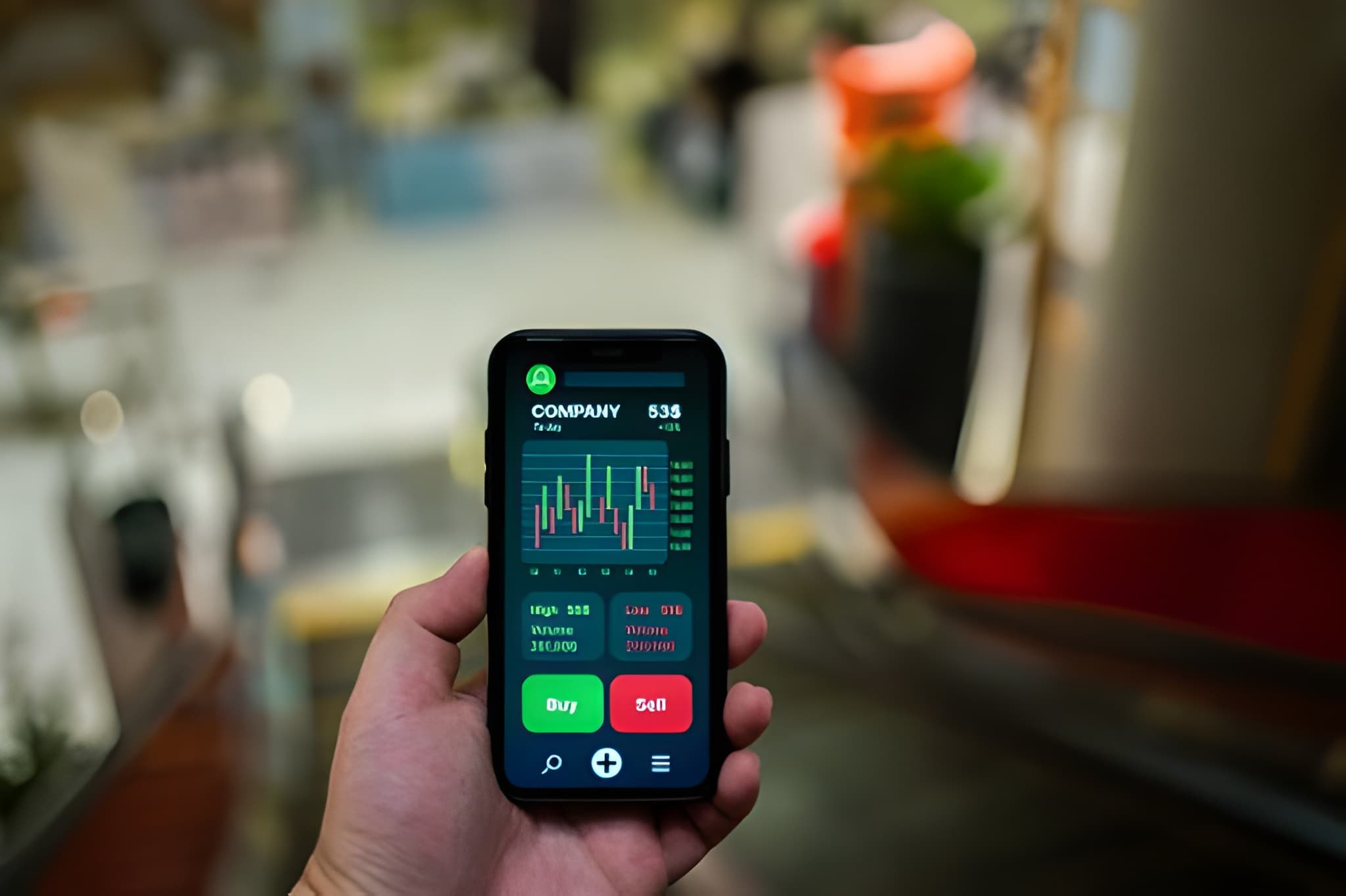
Webull revolutionized the mobile trading experience by offering full charting capabilities and Level 2 data (via subscription) on a smartphone. For the part-time trader or those who require a mobile backup to their primary desktop terminal, Webull provides a level of technical granularity that traditional retail brokers have struggled to match.
TradeStation has long been the favorite for traders who build their own automated systems. Its EasyLanguage allows for rapid strategy development and rigorous backtesting against decades of tick data. It remains a top-rated choice for disciplined systems traders who want to remove human emotion from the execution process.
The Economics of Commissions and Fees
In a day trading operation, transaction costs are your primary overhead. However, "zero commission" is rarely truly free. Traders must choose between a Commission-Free model and a Per-Share Commission model. Understanding the underlying revenue structure of your platform is vital for accurately assessing your net profitability.
| Pricing Model | Execution Path | Pros | Cons |
|---|---|---|---|
| Commission-Free | Payment for Order Flow (PFOF) | Zero upfront cost for entry/exit | Potentially wider spreads and slower fills |
| Per-Share/Per-Trade | Direct-Access Routing | Higher fill quality; ECN rebates | Monthly costs can be high for low-volume traders |
Trade Size: 2,000 Shares
PFOF Slippage: $0.005 per share (vs. direct route)
Hidden Cost: $10.00 per trade
Over 500 trades a year, a "free" broker can cost you $5,000 in poor execution quality.
Beyond execution costs, day traders must factor in Market Data Fees. Professional platforms pass through the exchange fees from the NYSE, NASDAQ, and CME directly to the user. These can range from $15 to $150 per month depending on the level of depth required. Top-rated platforms are transparent about these costs and often waive them if the trader maintains a minimum monthly volume.
Platform Stability and Risk Controls
Risk management is the only architecture that ensures survival in the markets. A platform is only "top-rated" if it remains stable during periods of extreme volatility—the very times when day traders find the most opportunity. System outages during a market crash can lead to catastrophic losses that far outweigh any savings on commissions.
Look for platforms that offer Hard Risk Controls. These are server-side settings that allow a trader to set a "Daily Loss Limit." Once the limit is reached, the platform automatically liquidates all positions and prevents the trader from opening new ones until the following day. This protects the trader from "revenge trading" or emotional spirals that can destroy an account in a single session.
Final Platform Selection Matrix
Your choice of platform should align with your specific strategy, capital levels, and hardware constraints. Use the following decision matrix to categorize your needs before committing capital to a brokerage.
The Momentum Scalper
If your strategy involves capturing small moves in high-volatility stocks, you require DAS Trader Pro or Lightspeed. The need for sub-millisecond execution and direct-access routing overrides the need for research tools or a zero-commission model.
The Technical Options Trader
If you utilize complex Greeks and spreads to trade index volatility, Thinkorswim or Tastytrade are the premier choices. Their interfaces are built specifically for the multi-dimensional nature of options pricing and risk curve visualization.
The Quantitative Systems Trader
If you code your own entries and require high-speed backtesting against historical tick data, TradeStation or Interactive Brokers are the industry standards. Their API stability and scripting depth allow for a fully automated trading desk.