Introduction
Cryptocurrencies have taken the financial world by storm, but understanding what drives their value requires more than just following market trends. The backbone of any crypto asset is its tokenomics, a term that encapsulates the economic principles governing a token’s creation, distribution, and utility. In this article, I will break down the key components of tokenomics, including supply mechanisms, demand drivers, and the role of utility. By the end, you’ll have a clear understanding of how these factors influence the price and long-term viability of a cryptocurrency.
Understanding Token Supply
One of the most fundamental aspects of tokenomics is supply. Unlike traditional fiat currencies, which central banks can issue at will, cryptocurrencies often have predefined supply models.
Fixed vs. Inflationary Supply
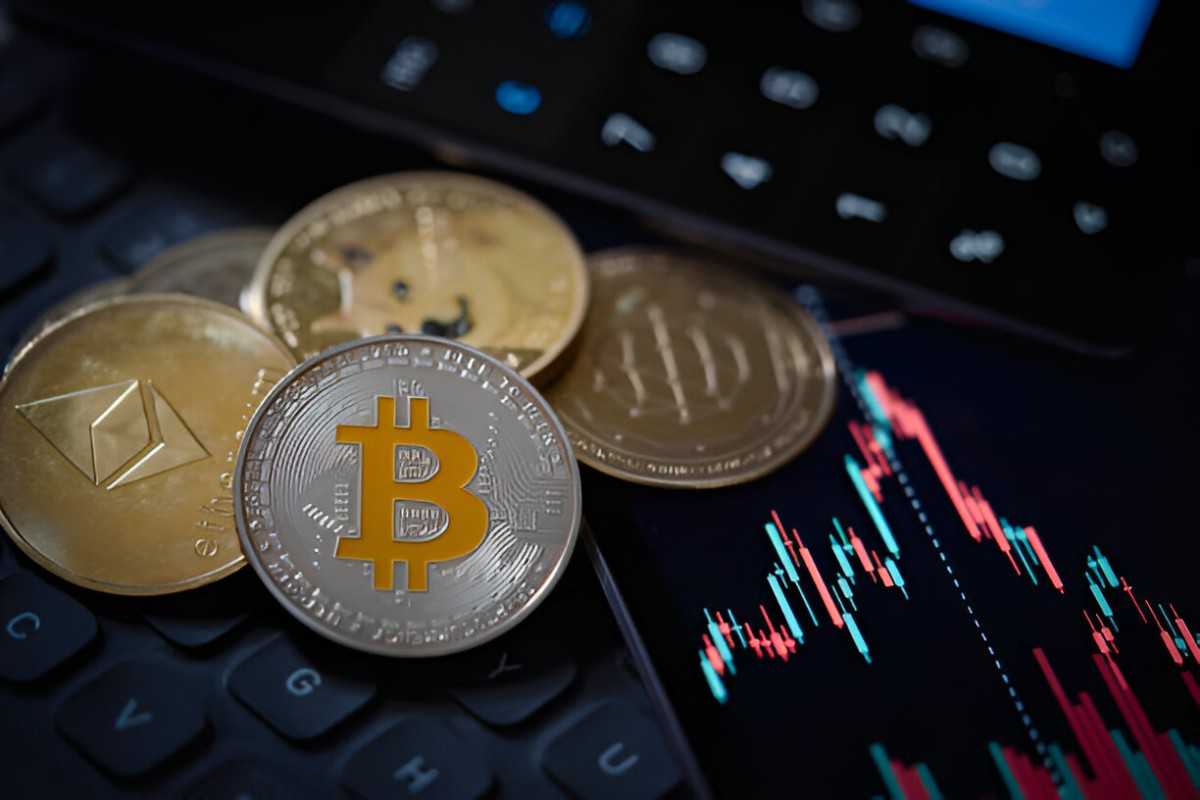
Some cryptocurrencies, like Bitcoin, have a fixed supply cap. Bitcoin has a maximum supply of 21 million coins, making it a deflationary asset. Once all bitcoins are mined, no new ones can enter circulation. This scarcity helps drive value over time, much like gold.
On the other hand, some tokens are inflationary, meaning they have no supply cap or introduce new tokens into circulation at a predetermined rate. Ethereum transitioned to a deflationary model after the Ethereum Improvement Proposal (EIP-1559) introduced a burning mechanism to remove some supply permanently.
| Token | Supply Model | Max Supply | Inflation Rate |
|---|---|---|---|
| Bitcoin (BTC) | Fixed | 21 million | 0% after mining ends |
| Ethereum (ETH) | Dynamic | No cap | Variable (Post EIP-1559) |
| Dogecoin (DOGE) | Inflationary | No cap | ~5 billion per year |
Token Distribution: Who Holds the Supply?
Tokenomics also involves how tokens are distributed. Some projects allocate large portions of supply to developers, venture capitalists, or foundations. If a small group holds a large share of the supply, they can manipulate prices. A fair distribution model leads to a more decentralized and stable ecosystem.
Demand Drivers in Tokenomics
Just because a token has a fixed supply doesn’t mean it will automatically be valuable. Demand plays an equally crucial role in determining price. Demand can come from different sources, including speculation, real-world utility, and staking incentives.
Speculation vs. Fundamental Demand
Many crypto investors buy tokens expecting price appreciation rather than using them for real-world applications. This speculative demand can create short-term price spikes but often leads to volatility.
However, tokens that offer real utility—such as being used for payments, governance, or access to services—tend to have more sustainable demand.
| Demand Type | Examples |
|---|---|
| Speculative | Meme coins, Pump-and-Dump schemes |
| Fundamental | Ethereum for smart contracts, BNB for transaction fees |
Utility: The Core of Tokenomics
The most successful cryptocurrencies offer tangible utility. Without utility, a token is just a speculative asset with no long-term viability.
Different Forms of Token Utility
- Medium of Exchange: Some cryptocurrencies function as digital cash. Bitcoin and Litecoin fall into this category.
- Gas Fees: Ethereum, Binance Smart Chain, and other blockchains require tokens for transaction fees.
- Governance: Some tokens grant holders voting power in decentralized autonomous organizations (DAOs), like UNI for Uniswap.
- Staking and Yield Farming: Some projects allow users to lock up tokens in exchange for rewards.
Case Study: Bitcoin vs. Ethereum Tokenomics
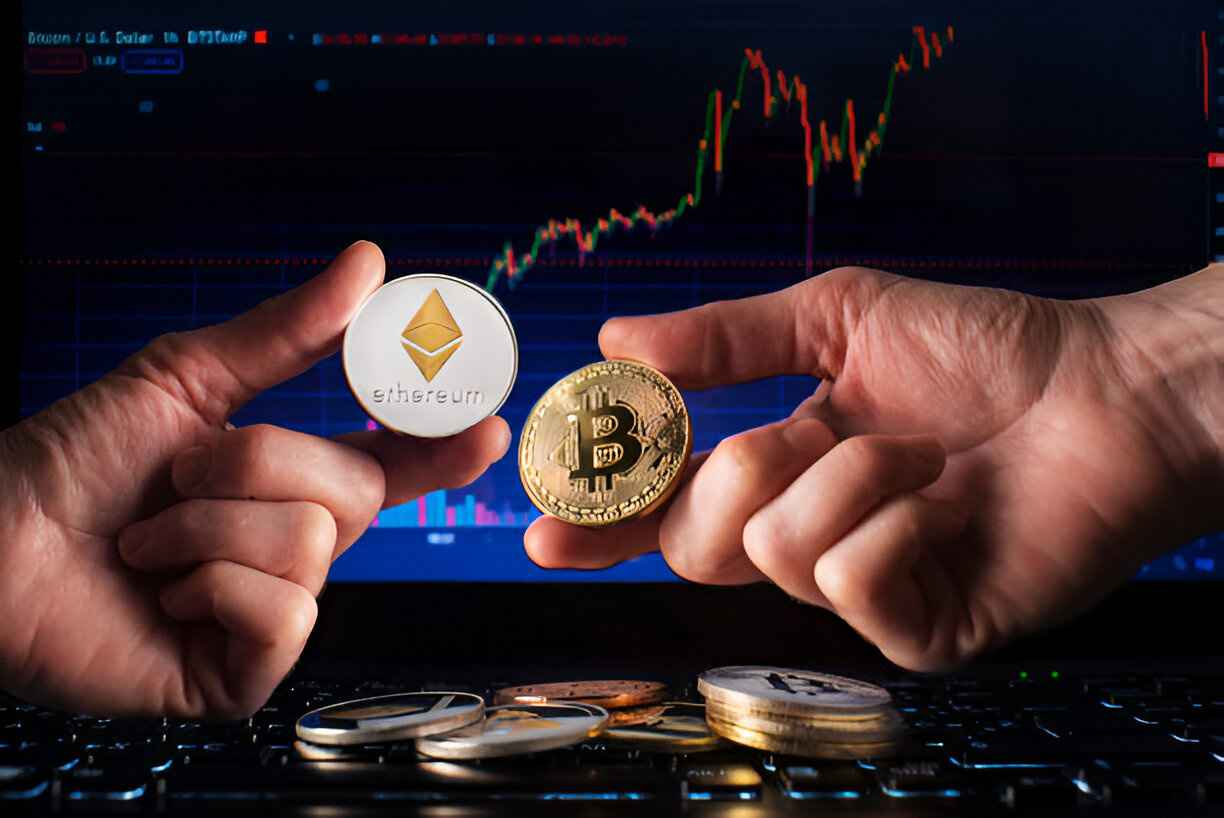
Bitcoin and Ethereum follow vastly different tokenomic models. Bitcoin relies on its fixed supply and decreasing block rewards to drive scarcity, while Ethereum has shifted towards a deflationary model post-merge.
Bitcoin vs. Ethereum Comparison Table
| Aspect | Bitcoin | Ethereum |
|---|---|---|
| Supply Cap | 21 million | No fixed cap |
| Issuance Model | Halving every 4 years | Staking rewards |
| Inflation Rate | Decreasing over time | Can become deflationary |
| Primary Utility | Store of value, payment | Smart contracts, DeFi |
The Role of Token Burns and Buybacks
Some cryptocurrencies employ token burn mechanisms, permanently removing a portion of tokens from circulation to create artificial scarcity. Binance Coin (BNB) uses quarterly burns based on trading volume, reducing supply over time.
Example Calculation: Impact of Token Burns
If a token has an initial supply of 1 billion and the team burns 100 million tokens, the new circulating supply is: 1,000,000,000−100,000,000=900,000,0001,000,000,000 – 100,000,000 = 900,000,000
This effectively increases the value of remaining tokens if demand stays constant.
Conclusion: Why Tokenomics Matters for Investors
Understanding tokenomics is crucial when evaluating any cryptocurrency investment. By analyzing supply dynamics, demand factors, and utility, you can make more informed decisions and avoid speculative traps. Always look beyond hype and focus on fundamentals, just as you would when analyzing traditional stocks.
Whether you’re investing in Bitcoin as a store of value, Ethereum for its smart contract capabilities, or newer projects with unique utility models, having a grasp of tokenomics will give you a significant edge in the crypto space.