
Introduction
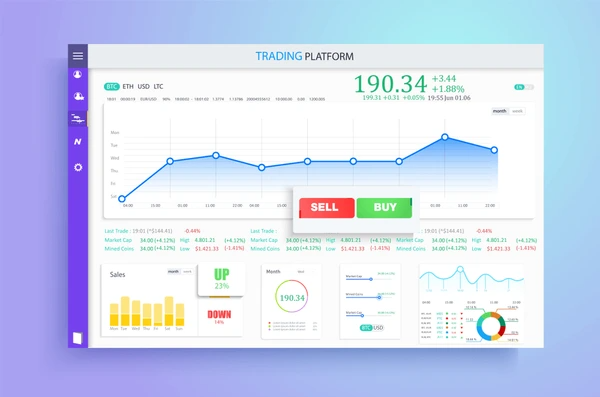
Stock trading algorithm software has revolutionized modern investing by enabling traders to automate strategies, reduce execution errors, and exploit market inefficiencies. These platforms range from beginner-friendly interfaces to professional-grade systems capable of high-frequency trading. Choosing the right software is essential for developing, testing, and deploying profitable trading strategies.
Key Features of Stock Trading Algorithm Software
1. Strategy Development Tools
- Pre-Built Strategies: Many platforms provide ready-to-use algorithms for trend-following, mean reversion, or momentum trading.
- Custom Strategy Design: Users can create algorithms using visual builders or scripting languages such as Python, C#, or EasyLanguage.
2. Backtesting and Simulation
- Historical Data Analysis: Test strategies against past market data to evaluate performance.
- Paper Trading: Simulated trading environments allow risk-free testing of strategies in live market conditions.
- Performance Metrics: Evaluate Sharpe ratio, maximum drawdown, profit factor, and trade statistics.
3. Automated Execution
- Direct Market Access (DMA): Allows faster trade execution and reduced latency.
- Order Management: Automated handling of limit, market, stop-loss, and take-profit orders.
- Risk Management: Predefined rules for position sizing, portfolio allocation, and exposure limits.
4. Real-Time Market Data
- Live Quotes: Access to real-time prices, volume, and market depth.
- Data Feeds: Integration with multiple exchanges to provide comprehensive market coverage.
5. Analytics and Reporting
- Trade Analytics: Monitor trade performance, win-loss ratio, and strategy efficiency.
- Risk Reports: Evaluate exposure, drawdowns, and stress-test strategies under volatile conditions.
Popular Stock Trading Algorithm Software
1. TradeStation
- Features: EasyLanguage scripting, advanced charting, backtesting, and automated order execution.
- Use Case: Ideal for traders who want integrated development and deployment with moderate programming skills.
2. Interactive Brokers (IBKR) + API
- Features: Offers Python, Java, and C++ APIs for automated trading across global markets.
- Use Case: Suitable for professional traders and quantitative developers needing low-latency execution.
3. MetaTrader 5 (MT5)
- Features: MQL5 language for custom indicators, Expert Advisors (EAs), and automated strategies.
- Use Case: Popular among forex and equities traders using algorithmic strategies.
4. NinjaTrader
- Features: NinjaScript C# environment, advanced charting, backtesting, and simulated trading.
- Use Case: Futures and equity traders who require high flexibility and custom scripting capabilities.
5. QuantConnect
- Features: Cloud-based platform supporting Python and C#, multi-asset backtesting, and live deployment.
- Use Case: Quantitative developers seeking scalable cloud solutions and integration with brokers like Interactive Brokers.
6. AlgoTrader
- Features: Institutional-grade platform for equities, futures, options, and crypto. Supports Java-based strategy development and automated execution.
- Use Case: Hedge funds and professional algorithmic trading firms.
Considerations When Choosing Stock Trading Algorithm Software
- Programming Skill Level: Some platforms require coding knowledge, while others provide drag-and-drop interfaces.
- Market Access: Ensure the software supports the exchanges and asset classes you want to trade.
- Latency and Execution Speed: Critical for high-frequency or short-term strategies.
- Data Quality: Historical and real-time data accuracy impacts backtesting and live trading.
- Cost: Consider subscription fees, commission structures, and hardware requirements.
- Risk Management Features: Look for prebuilt modules or the ability to integrate custom risk controls.
Advantages of Using Algorithmic Trading Software
- Automates repetitive tasks and reduces emotional decision-making.
- Increases execution speed and efficiency.
- Allows backtesting to validate strategies before deploying real capital.
- Enables multi-asset portfolio management and diversification.
- Provides analytical tools for performance tracking and risk monitoring.
Challenges and Risks
- Software bugs or errors can result in unintended trades or losses.
- Overfitting strategies to historical data may reduce live performance.
- Market conditions may change, requiring constant monitoring and updates.
- High-frequency strategies demand advanced infrastructure and low-latency connections.
Conclusion
Stock trading algorithm software empowers traders to automate strategies, execute trades efficiently, and manage risk effectively. Platforms like TradeStation, Interactive Brokers, NinjaTrader, MetaTrader 5, and QuantConnect provide diverse tools for retail and professional traders. Successful use of such software depends on combining robust strategy development, thorough backtesting, and disciplined risk management to navigate modern financial markets.


