Navigating the Schwab Ecosystem: A Professional Evaluation of Charles Schwab for Intraday Trading
The landscape of discount brokerages underwent a tectonic shift following the acquisition of TD Ameritrade by Charles Schwab. For years, the two entities represented different philosophies: Schwab catered to the "core" investor focused on long-term wealth, while TD Ameritrade, through its thinkorswim platform, became the sanctuary for the aggressive intraday trader. Today, these worlds have collided, creating a unified ecosystem that attempts to serve both the dividend seeker and the momentum scalper.
Professional intraday trading requires more than just low commissions; it demands stability, high-speed execution, and sophisticated analytical tools. As Charles Schwab integrates the industry-leading thinkorswim technology, active traders must evaluate whether this massive institution can provide the nimble environment necessary for "buy low, sell high" execution. This guide provides a subject-matter expert’s deep dive into the Schwab trading environment.
The Post-Merger Evolution: A New Trading Identity
Before the merger, Schwab’s proprietary platform, StreetSmart Edge, was often viewed as a capable but secondary tool compared to specialized direct-access software. By inheriting thinkorswim, Schwab has effectively bypassed years of development, positioning itself as a top-tier competitor for active market participants. The transition of millions of accounts has been complex, yet the result is a brokerage that offers institutional-grade tools with the balance-sheet security of a global bank.
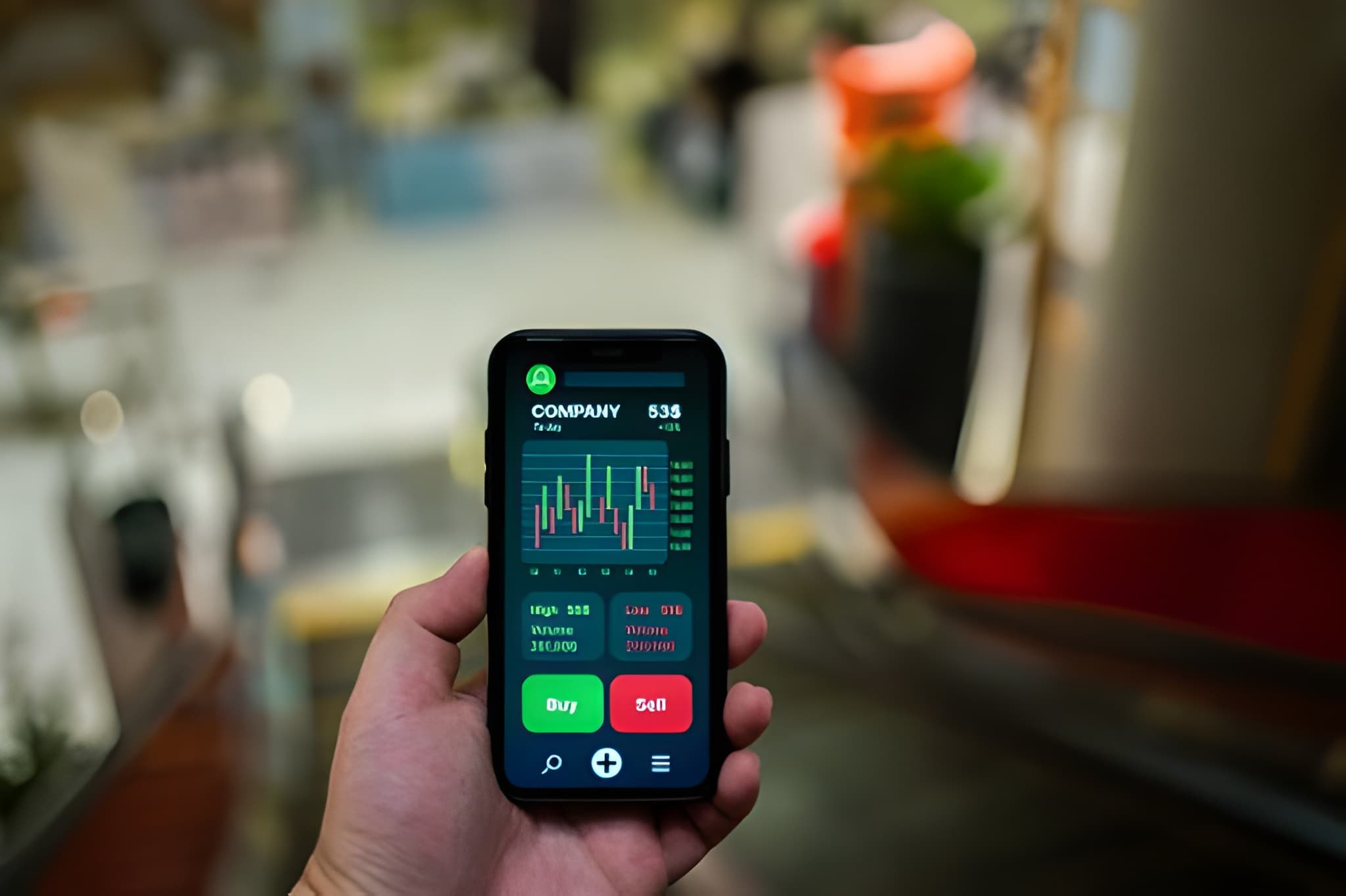
Traders now have access to a three-tier software strategy. The standard Schwab.com web interface handles basic order entry and portfolio management. Schwab Mobile provides on-the-go monitoring. However, the crown jewel is the thinkorswim Desktop application, which remains the primary tool for anyone looking to master intraday volatility. Understanding the distinction between these interfaces is the first step in optimizing a Schwab-based trading business.
Thinkorswim: The Professional Engine
Thinkorswim is widely regarded as one of the most customizable trading platforms in existence. For a day trader, the ability to build a personalized "command center" is vital. The platform excels in several specific areas that directly impact the success of intraday strategies.
Active Trader Ladder
The Active Trader interface allows for one-click order entry, modification, and cancellation. It provides a real-time price ladder that visualizes the depth of market, essential for "buying the dip" with precision.
Flexible Grid Layouts
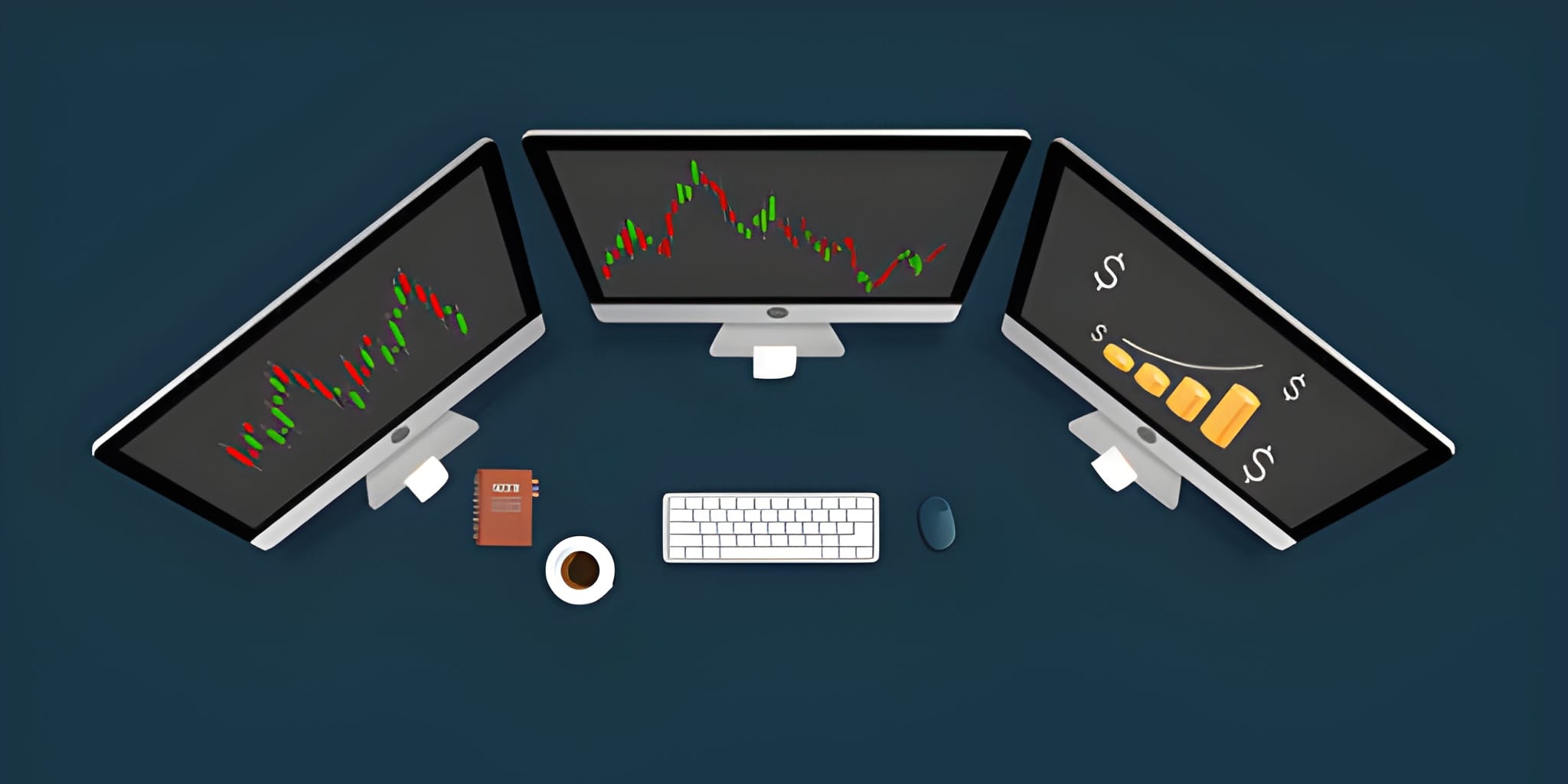
Traders can monitor dozens of charts, watchlists, and Level II data streams simultaneously. The platform supports detachable windows for multi-monitor setups, ensuring no momentum shift goes unnoticed.
Beyond simple charting, thinkorswim provides Market Internals such as the NYSE Tick ($TICK) and the Advance-Decline Line ($ADD). These tools help traders distinguish between a minor pullback in a single stock and a broader market reversal. Accessing these internals within the same environment where orders are executed provides a significant workflow advantage.
Execution Quality and Order Routing
A critical consideration for any day trader is how a broker handles order flow. Charles Schwab, like many zero-commission brokers, utilizes Payment for Order Flow (PFOF). This means they route orders to wholesale market makers who pay Schwab a small fee for the right to execute the trade. While this allows for commission-free stock trading, experts often scrutinize the impact on execution speed and price improvement.
However, for traders who demand absolute control, thinkorswim offers Direct Routing options. This allows you to bypass the standard routing logic and send your order directly to specific exchanges like ARCA, NASDAQ, or NYSE. This is a "power user" feature that can be enabled in the account settings, though it may result in additional exchange fees. For high-frequency scalpers, this granular control over the "route" is often the difference between getting filled at the "low" or missing the move entirely.
Commission Structures and Margin Rates
While equity trading is commission-free, the costs associated with other instruments and the cost of capital (margin) are where Schwab’s fee structure becomes relevant. Professional traders must calculate these friction costs into their expected value (EV) models.
| Service / Product | Standard Fee | Notes for Active Traders |
|---|---|---|
| US Stocks & ETFs | 0.00 USD | Unlimited trades; subject to PFOF. |
| Options Contracts | 0.65 USD per contract | Can be negotiated lower for high-volume traders. |
| Futures Contracts | 2.25 USD per side | Plus exchange and regulatory fees. |
| Margin Rates | Variable (tiered) | Base rates are often higher than direct-access brokers. |
For option traders, the 0.65 USD fee is a standard industry rate, but it can erode profits in "Buy Low, Sell High" strategies involving large spreads or "iron condors." It is common practice for active traders with high monthly volume (e.g., 500+ contracts) to contact Schwab’s trading desk to request a commission reduction. Successfully negotiating this to 0.45 USD or 0.50 USD can save thousands of dollars annually.
ThinkScript and Customization
One of the most powerful features of the Schwab ecosystem is thinkScript. This proprietary coding language allows traders to build custom indicators, automated alerts, and strategy backtesting models. If you have a specific definition of a "low" price based on a combination of RSI, Bollinger Bands, and Volume, you can code a script that highlights exactly when those conditions are met.
The Stock Hacker tool allows you to scan the entire market in real-time for specific criteria. For example, you can scan for stocks that have dropped 3% in the last 15 minutes but are currently seeing a surge in buying volume. This is the ultimate "buy low" discovery engine.
Traders can apply their scripts to historical data to see how a strategy would have performed over the last year. This provides the statistical confidence needed to execute large positions when a signal appears on the live chart.
Banking Integration and Capital Flow
An overlooked advantage of using Schwab for day trading is the seamless banking integration. For traders who rely on their trading income for daily expenses, the Schwab Bank High Yield Investor Checking account is a major benefit. You can move realized profits from your brokerage account to your checking account instantly.
Furthermore, Schwab provides excellent Portfolio Margin for qualified accounts (typically 125,000 USD+ in equity). Unlike standard Regulation T margin (2:1 overnight, 4:1 intraday), Portfolio Margin calculates risk based on the overall probability of loss across the entire portfolio. This often allows for significantly higher leverage on low-risk delta-neutral strategies, providing the "buying power" needed to scale a professional operation.
Limitations for High-Frequency Scalpers
Despite its strengths, Charles Schwab may not be the optimal choice for every style of trading. Specifically, High-Frequency Scalpers who rely on sub-second executions and "rebate harvesting" may find the platform lacking compared to direct-access brokers like Lightspeed or Interactive Brokers.
The Calculation of Latency Cost
If a retail platform like thinkorswim has a 100ms (millisecond) delay compared to a direct-access route, and a stock is moving at 10 cents per second during a volatility spike:
Latency Loss: 0.1 seconds x 0.10 USD = 0.01 USD per share.
On a 2,000 share order, this "hidden cost" is 20 USD per trade. For a scalper doing 50 trades a day, this is 1,000 USD in missed opportunity daily.
Additionally, while thinkorswim is robust, it is a Java-based application that can be resource-heavy on older computers. During periods of extreme market volatility (such as an FOMC rate decision), some users have reported occasional lag in quote updates. For the vast majority of day traders, this is a minor issue, but for those operating at the extreme edge of speed, it is a vital consideration.
Platform Suitability Matrix
Is Schwab Right for Your Trading Style?
In conclusion, Charles Schwab has successfully transitioned from a traditional "big bank" broker to a legitimate powerhouse for active traders. By preserving the integrity of thinkorswim and offering high levels of capital security, they provide a compelling home for professional-grade intraday trading. Success on the platform depends on your ability to master the thinkScript environment and utilize the Active Trader tools to their fullest potential. While it may not be the fastest platform for the sub-second scalper, it remains arguably the most well-rounded ecosystem for the modern speculator.