Introduction
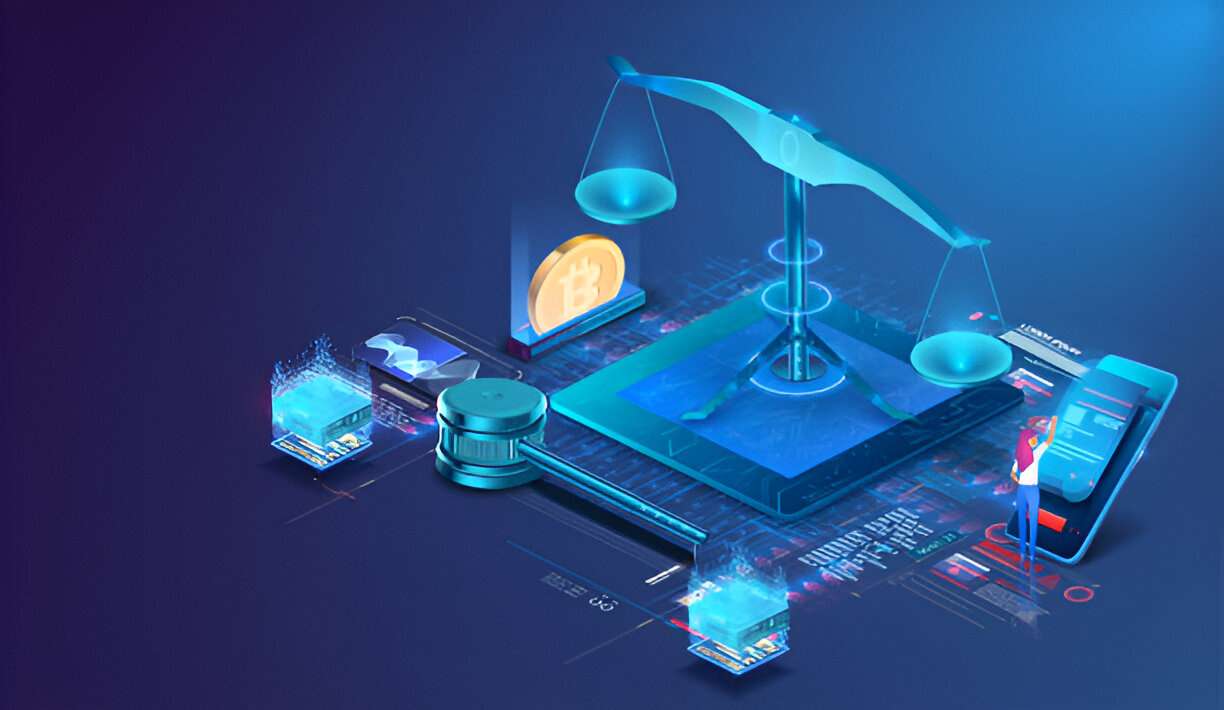
Smart contracts are transforming how business transactions occur by eliminating intermediaries, reducing costs, and enhancing security. These self-executing agreements, written in code and stored on a blockchain, execute automatically when predefined conditions are met. In this article, I will explore how smart contracts are automating business transactions, their benefits, real-world applications, potential challenges, and the future of this technology.
What Are Smart Contracts?
Smart contracts are digital agreements that automatically execute when their terms are met. The concept was first introduced by Nick Szabo in 1994, but blockchain technology made it feasible. Unlike traditional contracts, smart contracts do not require intermediaries like banks, lawyers, or notaries.
A smart contract consists of three main components:
- Agreement terms – Defined by parties and encoded into the contract.
- Event triggers – Conditions that activate the contract’s execution.
- Execution environment – A blockchain network ensuring immutability and transparency.
Ethereum popularized smart contracts by introducing Solidity, a programming language for writing self-executing agreements. Other blockchains like Binance Smart Chain, Polkadot, and Solana have also implemented smart contract capabilities.
How Smart Contracts Work
Smart contracts follow a straightforward process:
- Creation – Developers write the contract code using Solidity or another language.
- Deployment – The contract is uploaded onto a blockchain.
- Execution – When predefined conditions are met, the contract executes automatically.
- Verification – The blockchain ensures that transactions are valid and immutable.
Example: Real Estate Transaction
Traditionally, buying a property involves multiple intermediaries, leading to delays and added costs. With a smart contract:
- Buyer and seller agree to terms encoded into the contract.
- Buyer deposits funds into an escrow smart contract.
- Upon successful verification of documents, the contract transfers ownership and releases payment.
- The blockchain records the transaction, ensuring transparency and security.
This eliminates the need for title companies, escrow agents, and notaries, significantly reducing costs and time.
Benefits of Smart Contracts
1. Automation and Speed
Smart contracts execute instantly when conditions are met, eliminating delays caused by manual processing.
2. Cost Efficiency
Intermediaries are removed, reducing transaction fees and administrative costs.
3. Security and Transparency
Since smart contracts are stored on a blockchain, they are tamper-proof and transparent.
4. Trust and Accuracy
No human intervention means fewer errors, fraud, or disputes.
Smart Contracts vs. Traditional Contracts
| Feature | Smart Contracts | Traditional Contracts |
|---|---|---|
| Execution | Automated | Manual |
| Intermediaries | Not required | Required |
| Cost | Low | High |
| Security | High (Blockchain-based) | Moderate (Prone to manipulation) |
| Speed | Fast | Slow |
| Transparency | Publicly verifiable | Private & Limited |
Real-World Applications
1. Supply Chain Management
Smart contracts automate and verify every step of the supply chain, ensuring that goods are tracked in real-time.
2. Financial Services
Banks and financial institutions use smart contracts for loan disbursement, insurance claims, and trading securities.
3. Healthcare
Medical records stored in smart contracts ensure patient privacy and prevent unauthorized access.
4. Insurance
Smart contracts enable automatic claim verification and payouts without paperwork delays.
Example: Insurance Payout Calculation
Consider a flight delay insurance policy that compensates passengers if their flight is delayed beyond a certain time.
Given:
- Compensation per hour: $50
- Flight delay: 5 hours
- Policy limit: $200
Payout Calculation:
Payout = min(Delay \times Compensation, Policy Limit)Payout = min(5 \times 50, 200) = 200
The smart contract automatically triggers a $200 payout without the customer filing a claim.
Challenges and Limitations
1. Legal and Regulatory Issues
Smart contracts exist in a legal gray area, with courts yet to establish clear enforceability guidelines.
2. Security Vulnerabilities
Bugs and loopholes in contract code can lead to exploits, as seen in the 2016 DAO hack where attackers stole $50 million.
3. Scalability Issues
Blockchain networks, especially Ethereum, face congestion and high gas fees that limit widespread adoption.
Future of Smart Contracts
Advancements such as Layer 2 scaling solutions, AI integration, and cross-chain compatibility will further enhance smart contract capabilities. Governments and institutions are exploring legal frameworks to facilitate adoption in mainstream business operations.
Conclusion
Smart contracts are revolutionizing business transactions by automating processes, reducing costs, and enhancing security. While challenges exist, technological advancements and regulatory clarity will pave the way for broader adoption. As businesses continue to integrate smart contracts, they will become an indispensable tool in the digital economy.