
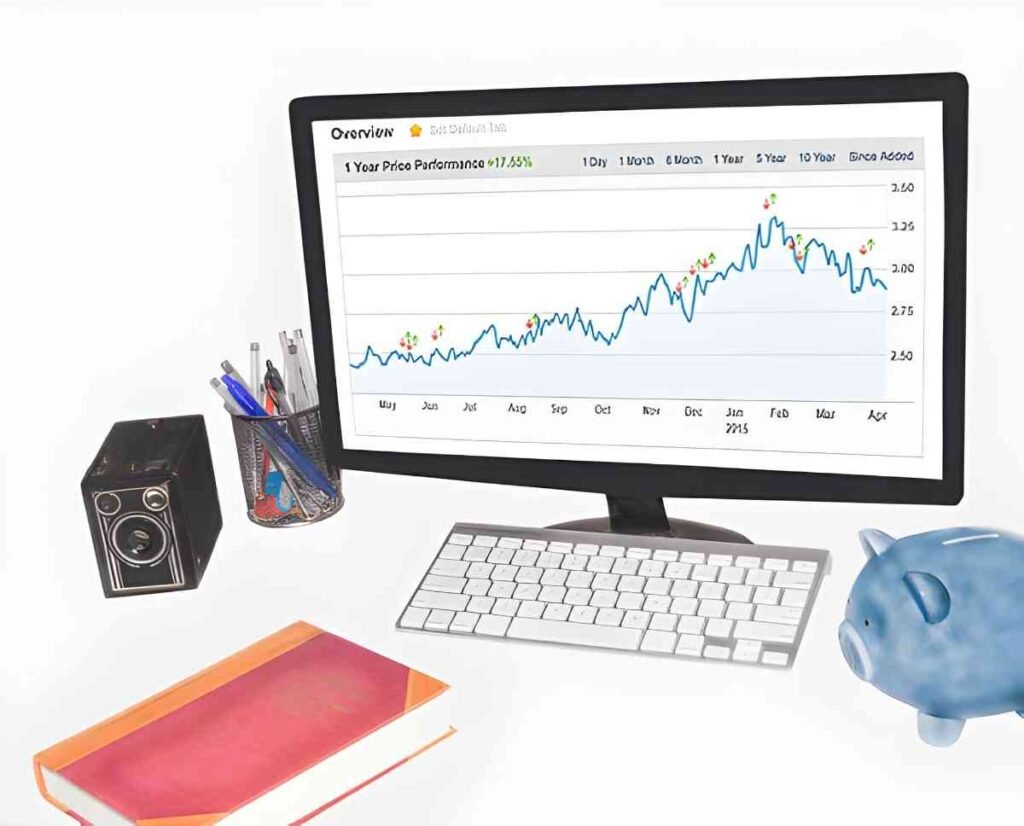
Overview
A deep value investing screener is a tool or methodology that helps investors identify stocks trading significantly below their intrinsic value. It uses quantitative filters based on valuation ratios, financial health, and profitability metrics to generate a list of potential deep value opportunities. This screening process allows investors to focus research efforts on stocks with the highest potential margin of safety.
Core Screening Criteria
- Valuation Metrics
- Price-to-Book (P/B) Ratio: Targets companies trading below book value.
- Example: P/B < 1
- Price-to-Earnings (P/E) Ratio: Stocks trading below historical or sector averages.
- Example: P/E < 10
- Price-to-Cash-Flow (P/CF) Ratio: Companies generating cash at discounted valuations.
- Example: P/CF < 5
- Dividend Yield: Higher than sector or historical averages, indicating undervaluation.
- Example: Dividend yield > 4%
- Price-to-Book (P/B) Ratio: Targets companies trading below book value.
- Financial Health Metrics
- Debt-to-Equity Ratio: Preferably below 1.0 to ensure manageable leverage.
- Current Ratio: Above 1.0 to indicate sufficient short-term liquidity.
- Free Cash Flow: Positive and ideally growing to sustain operations and dividends.
- Profitability Metrics
- Return on Equity (ROE) above 5%
- Net Profit Margin above 5%
- Earnings stability over the last 3–5 years
- Market Cap / Size Filter
- Small-cap and mid-cap companies often have higher mispricing potential.
- Example: Market cap < $5 billion for small-cap focus
Example Screening Table
| Metric | Screening Criteria | Purpose |
|---|---|---|
| P/B Ratio | < 1 | Identify undervalued assets |
| P/E Ratio | < 10 | Identify low-priced earnings |
| P/CF Ratio | < 5 | Identify undervalued cash-generating stocks |
| Dividend Yield | > 4% | Capture income and undervaluation |
| Debt/Equity | < 1 | Ensure financial stability |
| Market Cap | < $5B | Target small/mid-cap inefficiencies |
Screening Steps
- Select Universe of Stocks
- Decide on region (U.S., international) or exchange (NYSE, NASDAQ).
- Apply Valuation Filters
- Filter for low P/E, low P/B, and low P/CF ratios.
- Apply Financial Health Filters
- Remove companies with excessive debt or weak liquidity.
- Apply Profitability Filters
- Focus on companies with positive earnings and sustainable ROE.
- Rank by Margin of Safety
- Estimate intrinsic value using DCF, asset-based valuation, or historical multiples.
- Calculate:
Rank stocks with the highest margin of safety first.
Final Review
- Analyze news, industry trends, and company-specific catalysts before selecting investments.
Example of Screener Output
| Ticker | Sector | P/E | P/B | P/CF | Dividend Yield | Debt/Equity | MOS |
|---|---|---|---|---|---|---|---|
| ABC | Industrials | 8 | 0.7 | 4 | 5% | 0.6 | 45% |
| XYZ | Consumer | 9 | 0.8 | 3 | 4.5% | 0.4 | 50% |
| LMN | Energy | 7 | 0.6 | 2 | 6% | 0.8 | 55% |
- MOS represents the estimated margin of safety based on intrinsic value versus current market price.
Tools for Deep Value Screening
- Free Online Screeners:
- Finviz (www.finviz.com)
- Zacks Stock Screener (www.zacks.com)
- Yahoo Finance Screener (finance.yahoo.com/screener)
- Professional Platforms:
- Bloomberg Terminal
- Morningstar Direct
- Capital IQ
- Custom Screening:
- Excel or Google Sheets using financial statement data
- Python or R for quantitative screening and ranking
Advantages of Using a Screener
- Efficiency: Quickly identifies undervalued candidates from thousands of stocks.
- Objectivity: Applies consistent criteria across all potential investments.
- Customizability: Filters can be tailored to specific sectors, market caps, or financial thresholds.
- Foundation for Deep Analysis: Provides a shortlist for detailed fundamental research.
Limitations
- Data Accuracy: Screener relies on reported financial data; errors may exist.
- Market Dynamics: Short-term market movements may temporarily distort valuations.
- Qualitative Factors: Screener cannot assess management quality, competitive moats, or regulatory risks.
- Overlooked Opportunities: Extremely niche or private companies may not appear in screeners.
Key Takeaways
- Deep value investing screeners help identify stocks trading below intrinsic value using fundamental metrics.
- Effective screening combines valuation ratios, financial health, profitability, and market cap filters.
- After screening, investors must perform detailed fundamental analysis to validate investment potential.
- The ultimate goal is to create a portfolio with strong margin of safety and long-term appreciation potential.
Conclusion
A deep value investing screener is an essential tool for systematically identifying undervalued stocks. By applying filters for valuation, financial stability, and profitability, investors can efficiently generate ideas for further research. When combined with margin of safety analysis and qualitative evaluation, screeners provide a structured approach to deep value investing that enhances the potential for long-term risk-adjusted returns.



