
Introduction
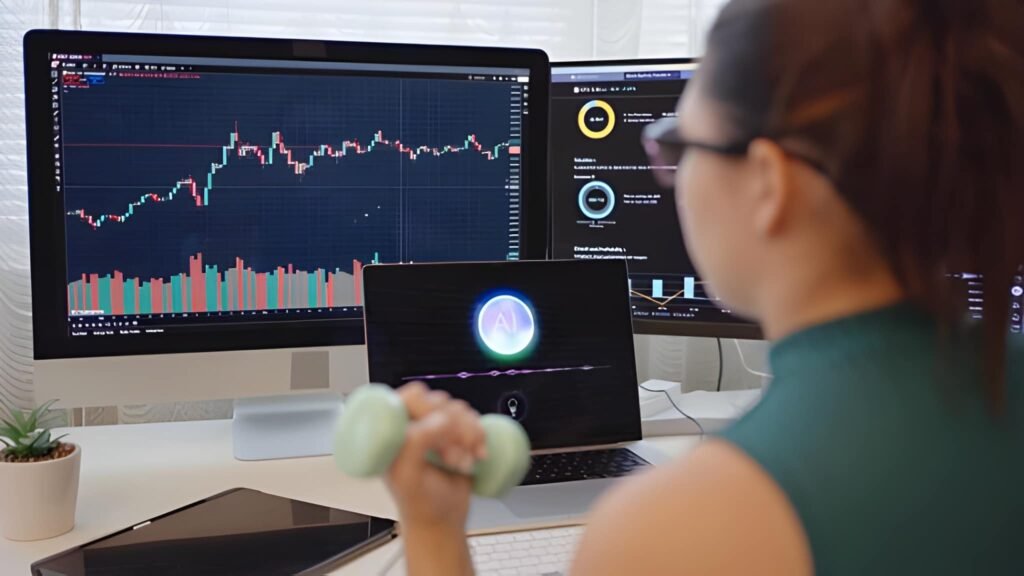
Algorithmic trading is no longer limited to institutional traders with expensive infrastructure. Individual traders can implement algorithmic strategies from home using personal computers, online brokers, and accessible programming tools. Trading from home allows for flexibility, self-paced learning, and the ability to experiment with diverse strategies while applying professional techniques such as backtesting, risk management, and automated execution.
Core Principles
- Automation: Automate order placement and execution to reduce human error and latency.
- Data-Driven Decisions: Use historical and real-time market data to identify trading opportunities.
- Risk Management: Integrate position sizing, stop-loss, and take-profit rules to protect capital.
- Backtesting: Test strategies rigorously on historical data before live deployment.
- Continuous Monitoring: Track performance and adjust strategies as market conditions change.
Setting Up a Home Algorithmic Trading System
1. Hardware Requirements
- Computer: A reliable desktop or laptop with fast processing and sufficient memory.
- Internet: High-speed and stable connection to minimize latency.
- Backup Systems: Optional UPS and secondary internet connection for reliability.
2. Software and Programming Tools
- Programming Languages: Python (most common), R, or C++ for advanced users.
- Backtesting Libraries: Backtrader, Zipline, QuantConnect.
- Data Handling: Pandas, NumPy, Matplotlib for analysis and visualization.
- Broker Platforms: Interactive Brokers, TD Ameritrade, Alpaca, or ThinkorSwim.
3. Market Data Access
- Free historical data: Yahoo Finance, Alpha Vantage, or Quandl.
- Paid or subscription-based real-time data: Interactive Brokers, Polygon.io, or Tradier.
- Ensure accurate and timely data to avoid execution errors.
Developing Strategies at Home
1. Technical Indicator-Based Strategies
- Moving Average Crossover: Buy when short-term MA crosses above long-term MA; sell when it crosses below.
- RSI and Momentum: Buy when RSI is below 30 (oversold) and sell when above 70 (overbought).
2. Mean-Reversion Strategies
- Exploit temporary deviations from moving averages or Bollinger Bands.
- Example: Buy when price falls 2 standard deviations below a 20-day moving average.
3. Statistical Arbitrage
- Identify correlated stocks and trade the spread between them.
4. Machine Learning Approaches
- Train models to predict price movement, volatility, or market regimes.
- Supervised learning, reinforcement learning, and unsupervised clustering can be used.
Risk Management at Home
- Position Sizing:
Stop-Loss / Take-Profit: Set limits for each trade to control losses and secure gains.
Portfolio Diversification: Avoid overexposure to a single stock or sector.
Backtesting and Simulation
- Use historical intraday or daily stock data to test strategies.
- Include realistic transaction costs, slippage, and latency effects.
- Metrics to track: cumulative returns, maximum drawdown, Sharpe ratio, and win/loss ratio.
- Walk-forward and out-of-sample testing to ensure robustness.
Execution and Automation
- Connect Python or R scripts to broker APIs for live trading.
- Automate trade placement, modification, and cancellation based on strategy signals.
- Monitor trades in real-time and implement fail-safes to prevent unintended losses.
Advantages of Trading at Home
- Flexibility and independence from institutional constraints.
- Lower cost compared to professional trading infrastructure.
- Ability to experiment with multiple strategies and learn systematically.
- Immediate access to performance metrics and the ability to iterate quickly.
Challenges and Considerations
- Data Quality: Inaccurate or delayed data can lead to losses.
- Technical Skills: Requires programming knowledge and understanding of quantitative finance.
- Market Risks: Rapid market movements can create slippage and unexpected drawdowns.
- Infrastructure Limitations: Home setups may not match low-latency institutional systems.
- Regulatory Compliance: Ensure all trades adhere to SEC and exchange rules.
Practical Example: Moving Average + RSI Strategy
- Logic: Buy a stock when its 10-day MA crosses above its 50-day MA and RSI < 70; sell when MA crosses below or RSI > 70.
- Backtesting: Evaluate returns, maximum drawdown, and Sharpe ratio on six months of historical data.
- Execution: Automated orders placed via broker API with dynamic position sizing and stop-loss.
Conclusion
Algorithmic trading at home enables retail traders to implement professional-grade strategies using accessible hardware, software, and data sources. With proper training, risk management, and disciplined execution, home-based algorithmic trading can provide systematic and scalable exposure to financial markets. While challenges exist, such as data reliability and technical expertise, a well-structured setup allows traders to test, refine, and deploy strategies efficiently from their own environment.


