Silicon vs. Soul: The Structural Divide Between Algorithmic and Manual Trading
An Institutional Analysis for Modern MarketsInstructional Roadmap
Hide PanelThe financial markets of represent a collision between human intuition and machine precision. While the public often views trading as a monolithic activity, the methodology used to interact with price action determines the structural viability of the participant. On one side, manual day trading relies on the "discretionary" ability of a human to interpret patterns, news, and sentiment in real-time. On the other, algorithmic trading (or "algo" trading) codifies that logic into silicon, executing orders at speeds that exceed biological reaction times. This analysis explores the friction points, advantages, and terminal risks associated with both realms.
The Core Architectures of Execution
Understanding the divide begins with how logic is processed. A manual day trader observes a chart, perhaps seeing a Bollinger Band squeeze or a Fibonacci retracement, and makes a qualitative judgment based on past experience. This is "High-Resolution Pattern Recognition." The machine, however, does not "see" a chart. It processes a stream of numeric data (the FIX feed), identifying conditions that trigger a Boolean true/false state. If Condition A and Condition B are met, it executes Order C.
Manual Day Trading
Primary Edge: Contextual awareness. Humans excel at identifying "unprecedented" events, such as a geopolitical shock or a specific CEO’s tone during an earnings call, that a fixed algorithm might misinterpret.
Algorithmic Trading
Primary Edge: Statistical consistency. A machine never hesitates, never feels "revenge," and never ignores a stop loss. It executes the same edge 10,000 times with zero deviation from the original code.
The Physics of Speed: Latency and Slippage
In the intraday arena, the time between a decision and an execution is measured in "Latency." For a human, this latency is comprised of visual processing time (roughly 250ms) and the physical act of clicking a mouse (another 100ms). In the world of algorithmic trading, specifically High-Frequency Trading (HFT), latency is measured in microseconds (one-millionth of a second).
Professional Algo Latency: 5 - 50 Microseconds
The Execution Gap: In the time it takes a manual trader to blink once, an algorithmic system could have entered and exited a position 500 times.
This disparity means that certain strategies are structurally unavailable to humans. "Arbitrage"—the act of buying an asset on one exchange and selling it on another for a tiny price difference—is now the exclusive domain of machines. Manual traders must therefore focus on longer-duration trends where the impact of a 300ms delay is negligible compared to the total expected move.
The Psychological Paradox
The most cited advantage of algorithmic trading is the removal of emotion. Human beings are biologically wired for survival, not for financial risk. When a trade goes against a human, the amygdala triggers a "fight or flight" response, often leading to "holding a loser" in the hope that it returns to break-even. Algorithms do not have an amygdala. They view a 2% loss exactly the same way they view a 2% gain: as a data point.
Technological Infrastructure Requirements
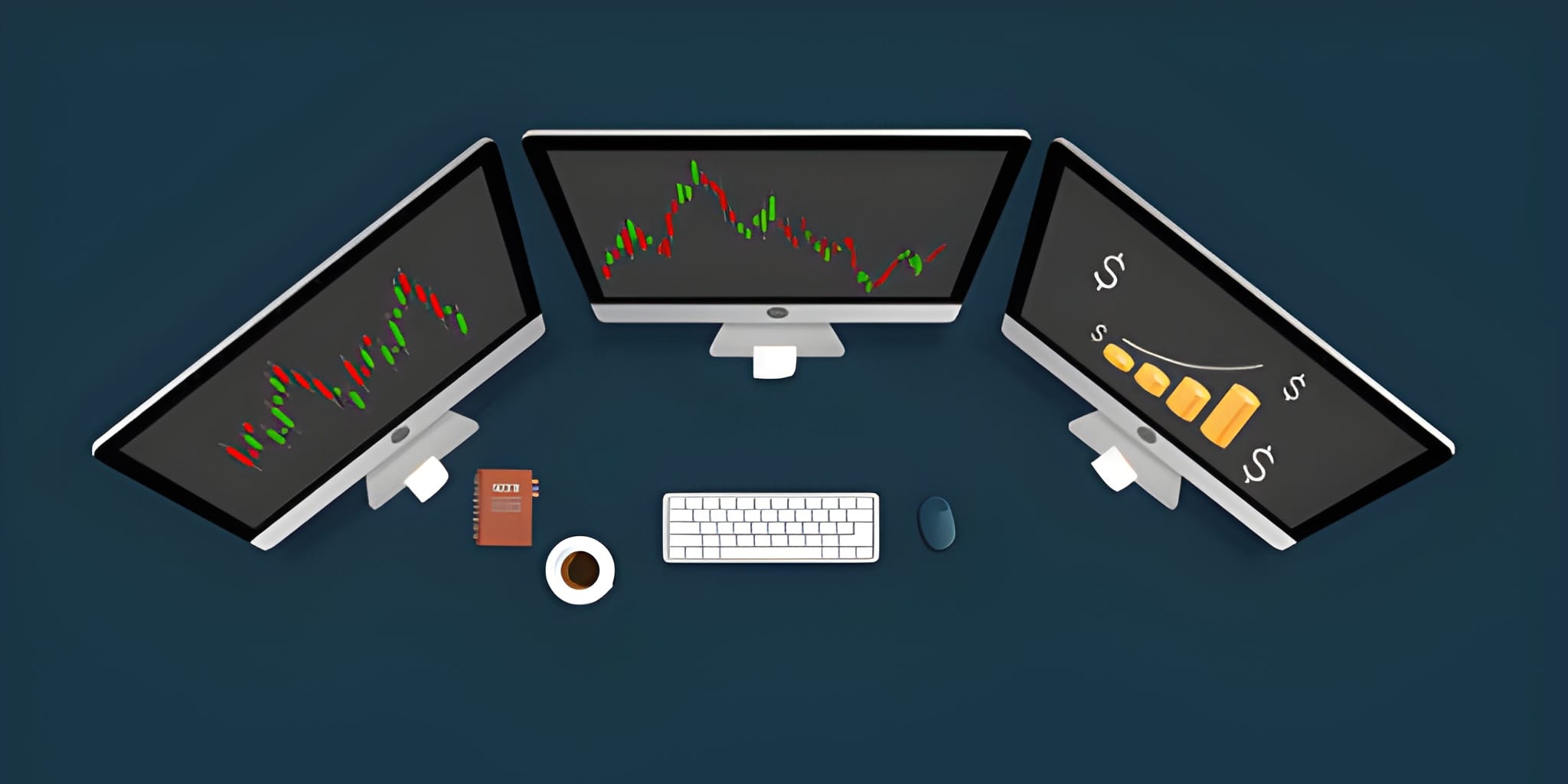
The barrier to entry for manual trading is low. A reliable laptop, dual monitors, and a high-speed fiber connection are usually sufficient. Algorithmic trading, however, requires a "Tech Stack" that includes specialized development environments, API keys, and often, a Virtual Private Server (VPS) located in the same data center as the exchange (Co-location).
| Component | Manual Requirement | Algo Requirement |
|---|---|---|
| Platform | TradingView / MT5 / IBKR | Python (Pandas/NumPy) / C++ |
| Connectivity | Fiber Optic (Home/Office) | Direct Market Access (DMA) / VPS |
| Data Feed | Standard Level 1 / Level 2 | Raw FIX / JSON Streams |
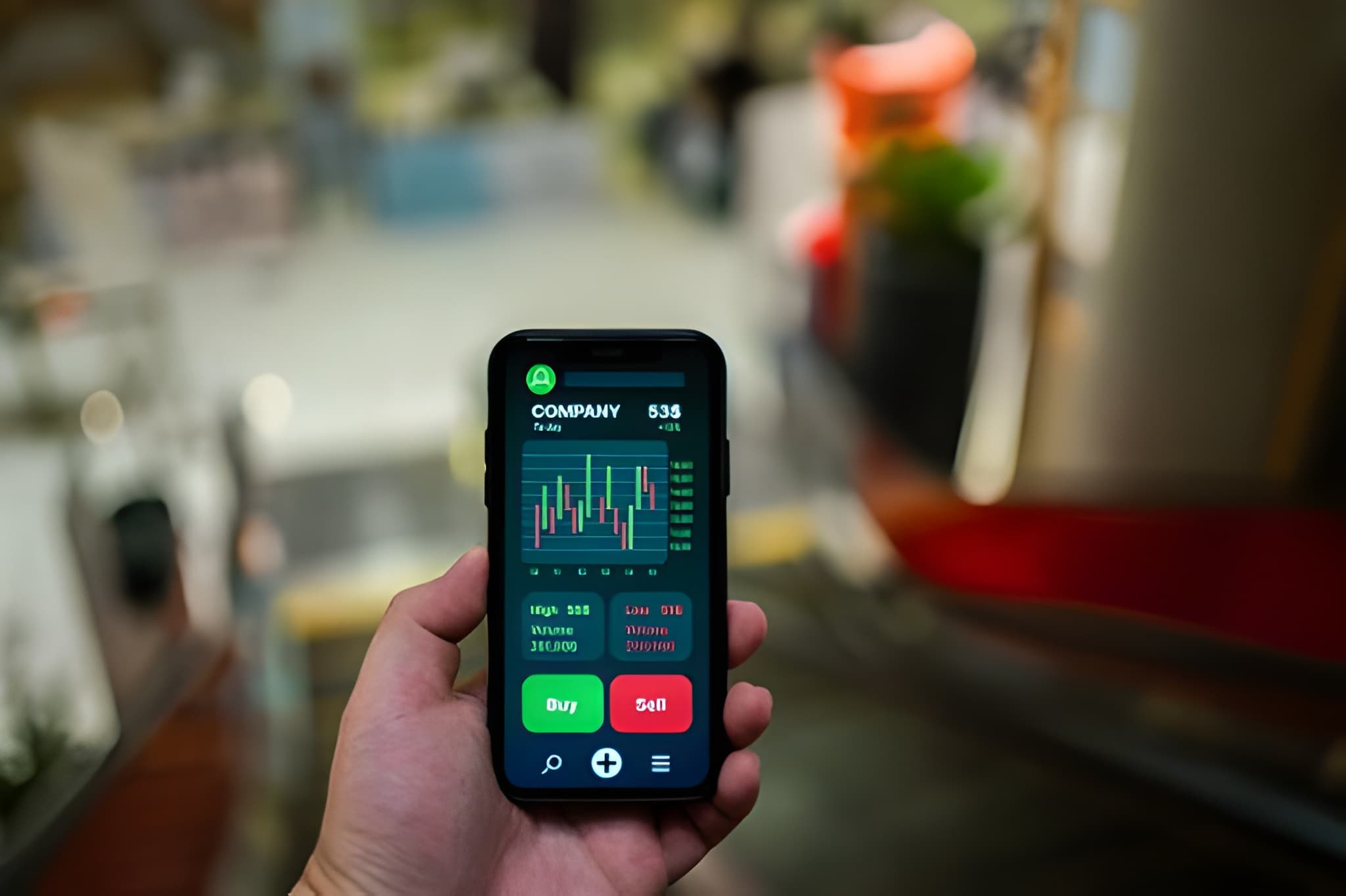
| Execution | Hotkeys / Mouse Clicks | Automated API Request |
Risk Management and Circuit Breakers
Risk in manual trading is usually "Personal Risk." You might over-leverage or ignore your stop. In algorithmic trading, the risk is "Systemic." A runaway loop in a poorly written script can execute thousands of orders in seconds, liquidating an entire account before the trader can even reach for the "Kill Switch."
Focuses on discipline and mindfulness. Manual traders use hard stops, daily loss limits (Max Drawdown), and psychological "cooling off" periods after a series of losses to prevent emotional escalation.
Focuses on "Fail-Safes." This includes hard-coded checks such as: "If Position > X, reject order," or "If Connectivity < Y ms, terminate script." Risk management must be proactive and built into the kernel of the code.
Scaling and Mathematical Profitability
The primary advantage of silicon is scalability. A human can only monitor a handful of charts effectively before "Information Overload" sets in. An algorithm can monitor 500 different currency pairs or stocks across 10 different exchanges simultaneously, identifying and executing setups on all of them without fatigue.
Algo Scaling: Limited by server processing power and market liquidity.
Return on Time: Manual trading requires 6-10 hours of active screen time daily. Successful algorithmic trading moves the effort to "off-market" hours—research, backtesting, and debugging.
The Hybrid Future: Quantamental Approaches
The most successful modern practitioners are increasingly moving toward a "Hybrid" model. This involves using algorithms to filter the market for high-probability setups, but leaving the final "Buy/Sell" decision to the human (or vice versa). This approach leverages the machine's ability to scan massive datasets and the human's ability to interpret nuanced market context.
For example, an algorithm might flag a stock that is hitting a specific volume profile anomaly. The human trader then reviews the chart and notices that this anomaly coincides with an unexpected resignation of a major board member—a context the bot might have ignored. This "Silicon-Soul Synergy" represents the current professional standard for independent traders.
Final Verdict: Choosing Your Edge
The choice between algorithmic and manual trading is not a question of which is "better," but which matches your personal skill set. If you possess deep emotional intelligence, high situational awareness, and the ability to maintain focus under extreme stress, manual day trading offers a rewarding and creative path. If you are mathematically inclined, proficient in programming, and prefer the clinical process of backtesting and optimization, the algorithmic route is your logical destination.
Regardless of the path, success is found in the relentless pursuit of an edge that is grounded in market reality. Manual traders must cultivate the discipline of a machine; algorithmic traders must maintain the oversight of a seasoned human professional. In the end, the market does not care if the order was sent by a mouse click or a Python script—it only cares about the capital at risk.