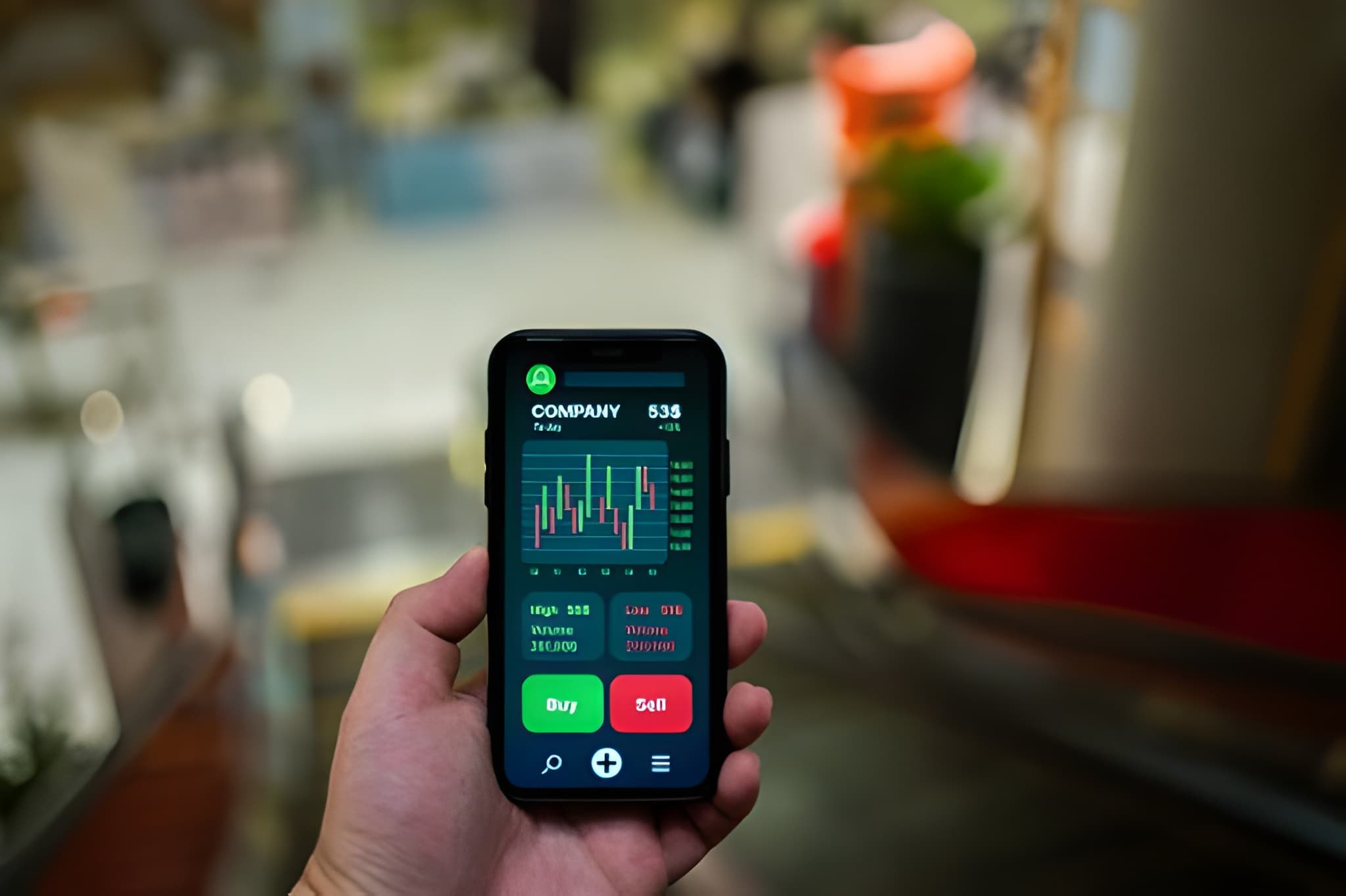
In the ecosystem of US financial markets, few regulations carry as much weight—or cause as much frustration—as the Pattern Day Trader (PDT) rule. Often referred to simply as the 25k rule, this FINRA-mandated requirement dictates that any individual classified as a pattern day trader must maintain a minimum equity of 25,000 USD in their margin account. This regulation serves as a gatekeeper, separating casual investors from active intraday participants. Understanding the nuances of this rule is not just a matter of compliance; it is a fundamental requirement for capital preservation and strategic planning in professional trading.
Defining the Pattern Day Trader
A day trade occurs when you buy and sell (or sell short and cover) the same security within a single trading day. FINRA (the Financial Industry Regulatory Authority) classifies a "Pattern Day Trader" as any margin customer that executes four or more "day trades" within five business days, provided that the number of day trades represents more than six percent of the total trades in that account during that same five-day period.
It is important to note that the rule applies specifically to margin accounts. Cash accounts operate under different settlement rules (T+1 for stocks) and are not subject to the PDT designation. However, cash accounts face their own hurdles, such as Good Faith Violations, which can be equally restrictive for active scalpers who need to recycle their capital multiple times per day.
The 25,000 USD Maintenance Rule
If you are flagged as a pattern day trader, you must maintain a minimum equity of 25,000 USD in your account at all times. This equity can be a combination of cash and eligible securities. The crucial word here is "maintenance." If your account value drops to 24,999 USD due to a losing trade or a market dip, you are immediately prohibited from day trading until the balance is restored.
If the equity falls below the 25,000 USD threshold, the broker will typically issue a "Day Trading Margin Call." You will then have a limited window—usually five business days—to deposit enough funds to bring the equity back to the required level. During this period, your account may be restricted to "closing positions only" or "liquidating" trades.
Regulatory Logic and History
The PDT rule was established in 2001, shortly after the bursting of the Dot-Com bubble. During the late 1990s, the rise of online brokerages led to a surge in retail day trading. Many individuals with little experience and limited capital were wiped out by the extreme volatility of the era. The SEC and FINRA implemented the 25,000 USD rule as a "buffer" to ensure that active traders have a sufficient capital cushion to withstand intraday losses.
The "Sophisticated Investor" Assumption
Regulators operate on the assumption that an investor with 25,000 USD is more likely to be sophisticated or at least has the financial stability to absorb the risks of day trading. Critics argue the rule "gatekeeps" wealth, while proponents argue it prevents the total financial ruin of small-balance retail participants who might otherwise use excessive leverage on tiny accounts.
Consequences of Violations
What happens when you break the rule? Most brokers use automated systems to track your trades. If you execute that fourth day trade within five days on a sub-25k account, the following sequence usually occurs:
| Stage | Action Taken | Consequence |
|---|---|---|
| The Flag | Broker identifies PDT status | Account is officially labeled as Pattern Day Trader. |
| Margin Call | Equity check performed | If balance is < 25k, a day trading margin call is issued. |
| 90-Day Lock | Trade restriction | If the call isn't met, the account is locked from opening new positions for 90 days. |
| One-Time Reset | Account appeal | Many brokers allow one "PDT Reset" every 180 days if the violation was accidental. |
Intraday Buying Power Math
One of the few benefits of being a flagged Pattern Day Trader is increased leverage. While standard margin accounts offer 2:1 leverage for overnight positions, a PDT account is granted 4:1 intraday buying power. This means with 25,000 USD in equity, you can control up to 100,000 USD worth of stock during the trading session.
Consider a professional trader with exactly 30,000 USD in their account. Their 4:1 buying power equals 120,000 USD. If they buy 100,000 USD worth of Apple (AAPL) stock at 10:00 AM, they are well within their limits. However, if they hold that position past the 4:00 PM EST market close, their leverage requirement drops to 2:1. Suddenly, they only have 60,000 USD in buying power, and they will face an "Overnight Margin Call" because their 100,000 USD position exceeds their 60,000 USD limit.
Strategies to Navigate the Rule
For traders starting with less than 25,000 USD, the PDT rule can feel like a ceiling. However, there are professional ways to navigate these waters without breaking the law or your account.
Traders under the 25k limit often focus on "swing trading" rather than "day trading." By holding a position for at least one night, the trade is no longer classified as a day trade. You can make unlimited swing trades. You save your three "day trade bullets" for emergencies—such as when a stock hits your stop-loss on the same day you bought it.
While frowned upon by some, it is perfectly legal to have multiple brokerage accounts. If you have 15,000 USD, you could split it into three 5,000 USD margin accounts at three different brokers. This gives you a total of 9 day trades per 5-day window. However, you lose the ability to aggregate your buying power, and managing multiple platforms increases the risk of error.
Alternative Markets and Accounts
The 25k rule is specific to the US Equities and Options markets. If you are determined to trade intraday with a smaller account, you may need to look at other asset classes that are not governed by FINRA's PDT regulations.
Futures Trading
The CME futures market (S&P 500, Nasdaq, Oil, Gold) is not subject to the PDT rule. You can day trade micros or minis with as little as 500 to 2,000 USD in your account. This is the preferred route for many professional intraday scalpers starting small.
Forex Markets
The Foreign Exchange market operates under different regulatory bodies. Most US Forex brokers do not enforce a 25k rule, allowing for high-frequency trading with very small initial balances.
Another alternative is the Cash Account. In a cash account, you can make as many day trades as you want, provided you have the "settled" cash to pay for the trades. For example, if you have 5,000 USD, you could make five 1,000 USD trades in a single day. The downside is that you must wait for the funds to settle (T+1) before you can use that 5,000 USD again the next day.
Scaling Your Account Beyond 25k
The psychological shift that occurs when an account crosses the 25,000 USD mark is significant. Suddenly, the "fear of being locked out" vanishes, and the trader can focus entirely on the price action. However, this freedom often leads to over-trading.
Professionals who reach the 25k milestone should not immediately increase their risk. The goal should be to maintain a "safety buffer." If you have exactly 25,001 USD, one small loss puts you back into the restricted zone. A professional typically waits until they have at least 30,000 USD before utilizing their new day trading freedom. This 5,000 USD buffer allows for natural market fluctuations and drawdown periods without triggering regulatory margin calls.
Long-Term Mastery
The 25k rule is a hurdle, but it is also a filter. If you can grow an account from 5,000 USD to 25,000 USD while adhering to the three-trade limit, you have developed the discipline required to succeed when the restrictions are finally lifted.
Final Professional Considerations
Day trading is a business of margins and rules. The 25k rule is simply one more variable to manage. By treating the regulation as a structural constraint rather than a personal hindrance, you can design strategies that thrive within its boundaries. Whether you choose to trade futures, utilize a cash account, or patiently swing trade your way to the 25k milestone, the key remains consistent: prioritize risk management over the desire for quick profits. The markets will always be there; your capital might not be if you ignore the math behind the rules.