Scalping vs Day Trading: Determining Your Optimal Strategy
A Professional Analysis of Scalping and Day Trading Methodologies
The world of short-term financial speculation attracts participants with the promise of high-frequency returns and a lifestyle free from the constraints of traditional employment. However, the path to profitability diverges into two primary disciplines: scalping and day trading. While both methodologies focus on exiting positions before the market close, the operational mechanics, capital requirements, and psychological demands differ significantly.
Active traders often mistake these terms for synonyms. In reality, a scalper operates in the market microstructure—navigating the bid-ask spread and order flow—while a day trader engages with technical patterns and intraday trends. Choosing the wrong discipline leads to catastrophic account drawdown, as success requires a synergy between a trader's personality and their execution speed.
Mechanical Depth of Scalping
Scalping represents the most aggressive form of intraday trading. A scalper seeks to capture dozens or hundreds of small profits during a single session. The objective is rarely to catch a major trend. Instead, the scalper hunts for temporary imbalances in the order book or brief periods of high volatility.
The timeframe for a scalp trade typically lasts from a few seconds to three minutes. Because the price targets are minuscule—often just 5 to 10 cents on a stock—the scalper must use high volume to generate meaningful income. This dependency on volume makes slippage and commission costs the greatest enemies of the scalping professional.
Tools of the High-Frequency Scalper
Traditional technical indicators like the Relative Strength Index (RSI) or MACD provide too much lag for a scalper. Instead, they rely on:
- Level II Data: Viewing the full list of buy and sell orders at various price levels.
- Time and Sales (The Tape): A real-time stream of executed trades showing speed and size.
- VWAP (Volume Weighted Average Price): Determining the true fair value of an asset during the session.
Spread Scalping: Placing a buy order at the bid and a sell order at the ask simultaneously, profiting from the spread itself without the price moving.
Micro-Breakouts: Entering a trade when a large "wall" of sellers at a specific price level is suddenly absorbed by buyers.
Fading Extreme Volatility: Shorting a sudden, vertical spike in price that lacks fundamental volume support, betting on a 30-second mean reversion.
Day Trading Strategic Design
Day trading involves a more holistic view of the market. A day trader analyzes the opening range, scans for news catalysts, and identifies multi-hour trends. They might only take two to five trades per day, holding each position for 30 minutes to several hours.
The goal of the day trader is to identify a regime change or a momentum shift. They seek to "ride the wave" created by institutional buying or selling. While a scalper is happy with a 0.2% move, a day trader typically targets 1% to 5% moves on high-relative-volume stocks.
Focus: Order Flow & Spread
Trade Duration: Seconds/Minutes
Target: 0.1% - 0.5%
Mental State: Reactive/Instinctual
Focus: Chart Patterns & News
Trade Duration: Hours
Target: 1% - 5%
Mental State: Analytical/Patient
Performance Math & Slippage
Understanding the math of execution is critical for long-term survival. Scalping requires a significantly higher win rate because the profit-to-loss ratio is often near 1:1 or even slightly negative. If a scalper wins 70% of the time but their losses are larger than their wins, they remain unprofitable.
This calculation highlights the frictional costs of high-frequency styles. A scalper must achieve near-perfect execution. A single "market order" that fills 2 cents away from the desired price can turn a winning scalp into a losing one instantly.
Regulatory Constraints (PDT)
For traders in the United States, the Pattern Day Trader (PDT) Rule is a non-negotiable reality. FINRA regulations require any trader executing more than three day trades in a rolling five-day period to maintain at least 25,000 in equity in their account.
If the account balance drops below this threshold, the trader is prohibited from opening new positions until the balance is restored. Scalping with an account under 25,000 is virtually impossible in a margin account, leading many retail participants to explore cash accounts or international brokers—both of which carry their own set of risks and limitations.
| Requirement | Scalping | Day Trading |
|---|---|---|
| Minimum Capital | 25,000+ Recommended | 5,000 - 30,000 |
| Execution Speed | Sub-second (Hotkeys) | Moderate |
| Broker Type | Direct Market Access (DMA) | Standard Retail Margin |
| Leverage Usage | Maximum (4:1 Intraday) | Calculated (2:1 or 4:1) |
Psychological Assessment
The biological response to these styles varies by individual. Scalping induces a state of "flow" where the trader reacts to numbers and colors. It requires a lack of hesitation. If a scalper thinks for more than two seconds about an entry, the opportunity has likely passed. This style is often suited for those with high cognitive processing speeds, such as former competitive athletes or professional gamers.
Day trading requires the ability to handle extended uncertainty. A day trader might buy a stock at 10:00 AM and watch it move sideways for two hours before it reaches their target. This creates a different type of anxiety—the urge to "meddle" with a perfectly good trade because of boredom or fear of a reversal.
Hardware & Infrastructure
You cannot scalp effectively on a standard laptop with a wireless internet connection. Infrastructure is the "toll" paid to enter the professional arena.
- Hardwired Fiber Internet: Reducing "ping" to the exchange is non-negotiable.
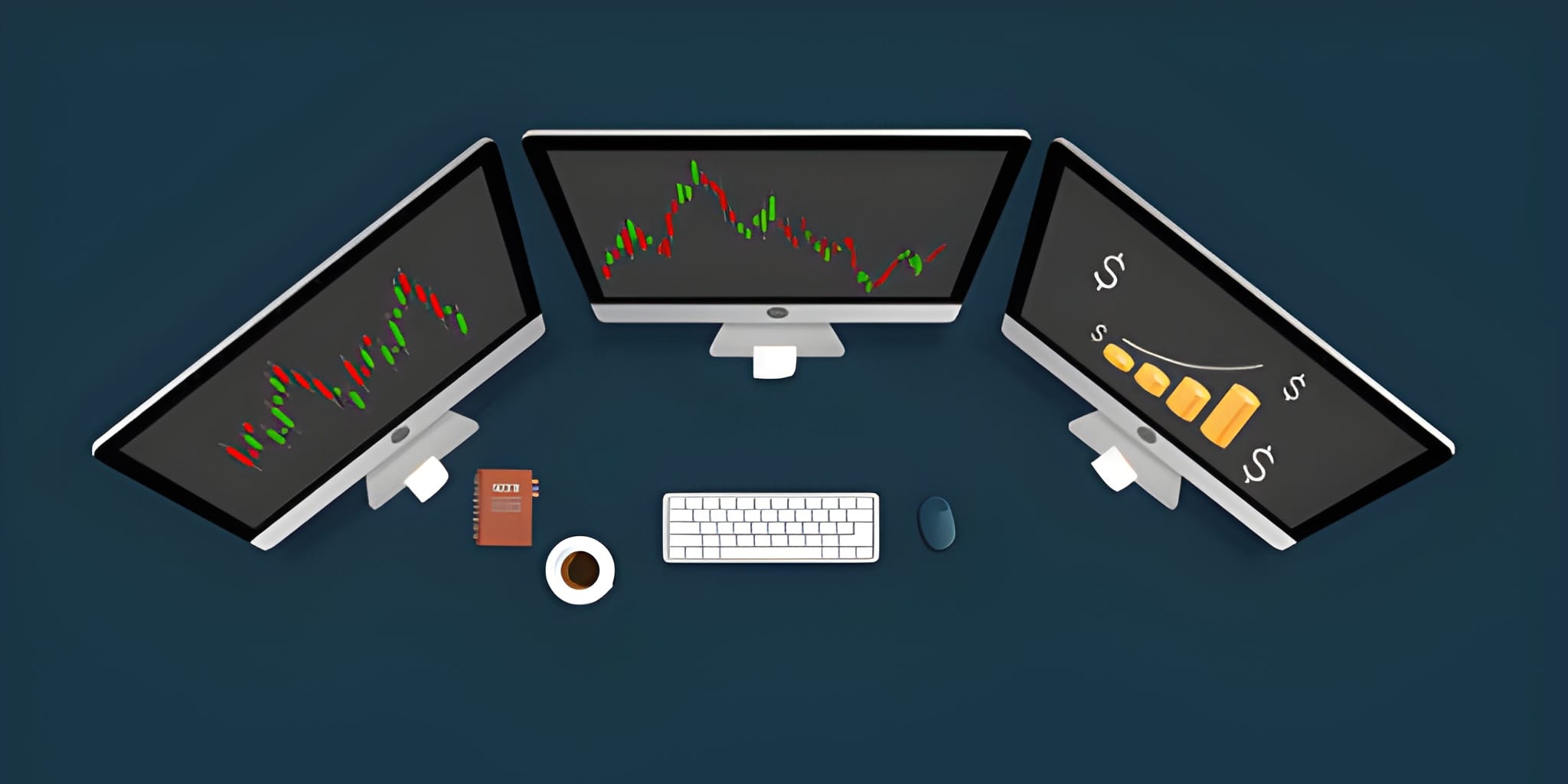
- Multiple Monitors: Scalpers need to see the Level II, the Tape, and 1-minute charts simultaneously without switching tabs.
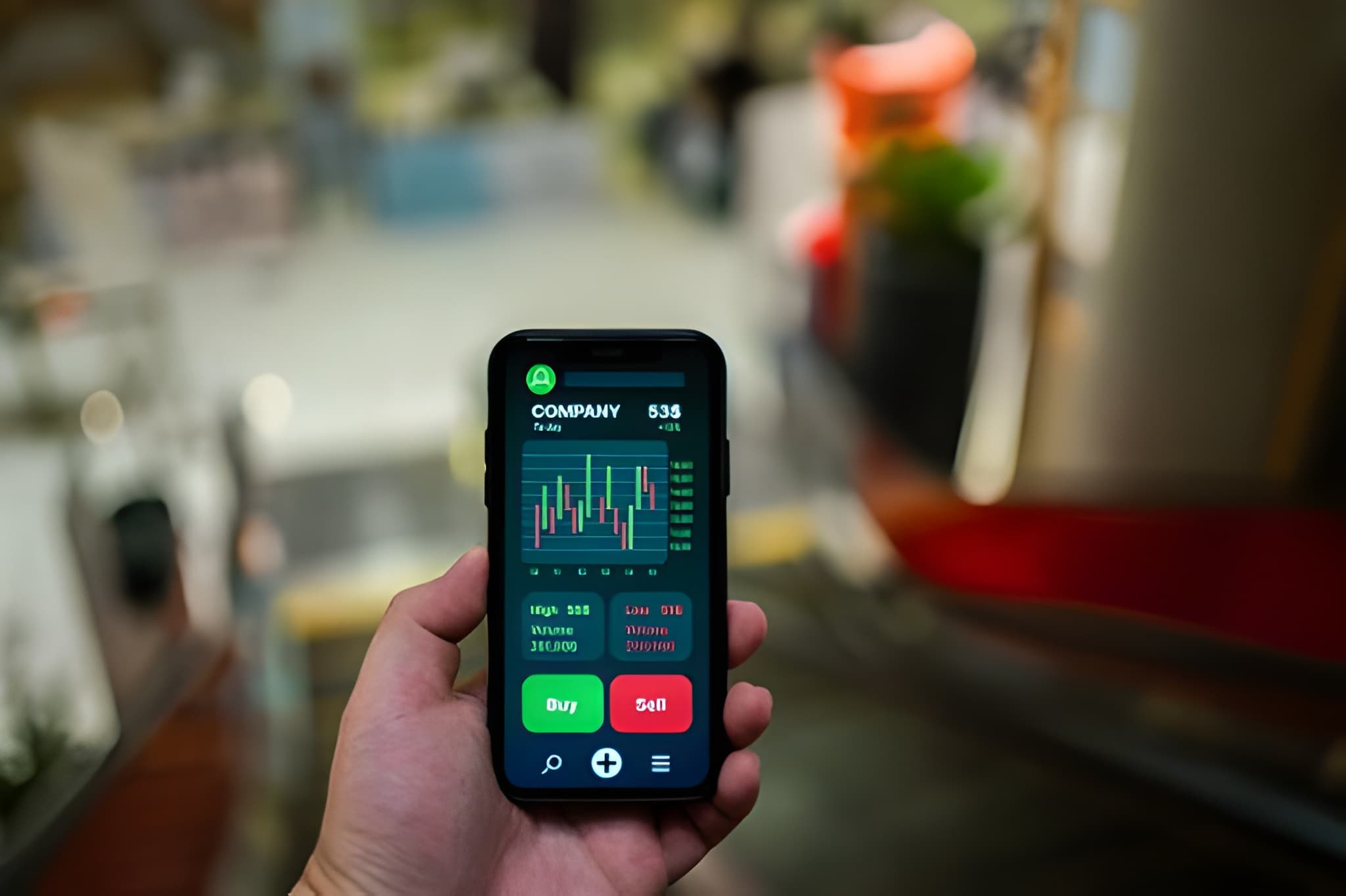
- Programmable Hotkeys: Entering and exiting trades must be a single button press. Using a mouse to click "Buy" and then "Confirm" is too slow for scalping.
- Redundant Power: Professional traders often utilize Uninterruptible Power Supplies (UPS) to ensure a power flicker doesn't leave them "trapped" in a leveraged position.
Strategic Selection
Deciding between these paths depends on your available time and your risk tolerance. Scalping offers more "at-bats," which can lead to faster learning of market mechanics, but it carries a higher cost of entry in terms of software and commissions. Day trading allows for more thoughtful analysis and fits better for individuals who can't dedicate every second of the morning to a screen.
In current markets, many traders find success in a "hybrid" model. They identify a day-trade-worthy stock with a strong catalyst and use scalping techniques to enter and exit portions of their position. This allows them to capture the larger trend while reducing their average cost through small, high-probability scalps.
Regardless of your choice, the key is consistency. Switching styles in the middle of a losing streak is a common mistake that prevents traders from ever developing a true edge. Master one timeframe and one discipline before attempting to diversify your market approach.
As the markets continue to evolve in and beyond, the edge will always belong to those who understand their own psychological limitations and choose the strategy that aligns with their natural strengths.