Introduction
As the cryptocurrency market matures, decentralized exchanges (DEXs) are becoming a critical component of the digital asset ecosystem. Unlike centralized exchanges (CEXs) such as Coinbase or Binance, which rely on intermediaries to facilitate trading, DEXs operate on blockchain technology, enabling peer-to-peer transactions without third-party oversight. This shift aligns with the ethos of decentralization, promoting transparency, security, and financial sovereignty. But what does the future hold for DEXs? In this article, I will explore the evolution of DEXs, their advantages and limitations, and the trends that will shape their trajectory in the coming years.
Understanding the Core Differences Between DEXs and CEXs
To appreciate the future of DEXs, we must first compare them with centralized exchanges:
| Feature | Centralized Exchanges (CEXs) | Decentralized Exchanges (DEXs) |
|---|---|---|
| Custody of Funds | Held by the exchange | Users retain custody |
| Security Risks | Vulnerable to hacks | Less prone to large-scale hacks |
| KYC/AML Compliance | Mandatory | Often not required |
| Liquidity | High | Lower, but improving |
| Speed and Efficiency | Faster | Slower due to blockchain constraints |
| Control | Controlled by a central entity | Governed by smart contracts and DAOs |
The Growth of DEXs: Statistical and Historical Perspective
The rise of DEXs has been impressive. According to data from Dune Analytics, decentralized exchanges processed over $1 trillion in trading volume in 2023, a significant increase from just $115 billion in 2020. The emergence of automated market makers (AMMs) such as Uniswap and Curve Finance has played a crucial role in this expansion by solving liquidity challenges and enabling permissionless trading.
In 2021, Uniswap alone facilitated over $58 billion in trades per month, surpassing many traditional stock exchanges. By 2024, the total value locked (TVL) in DEXs exceeded $60 billion, signifying growing user confidence and adoption.
Key Innovations Shaping the Future of DEXs
1. Layer 2 Scaling Solutions
Ethereum, the backbone of many DEXs, has long suffered from congestion and high gas fees. The introduction of Layer 2 solutions like Optimistic Rollups and Zero-Knowledge Rollups (ZK-Rollups) is set to revolutionize DEX efficiency. These technologies allow for faster transactions at a fraction of the cost by processing transactions off-chain and submitting compressed data to the Ethereum mainnet.
For instance, let’s consider a scenario where a trade on a Layer 1 DEX costs $20 in gas fees. With a Layer 2 solution, this cost could drop to less than $1, making trading more accessible to retail investors.
2. Cross-Chain Compatibility
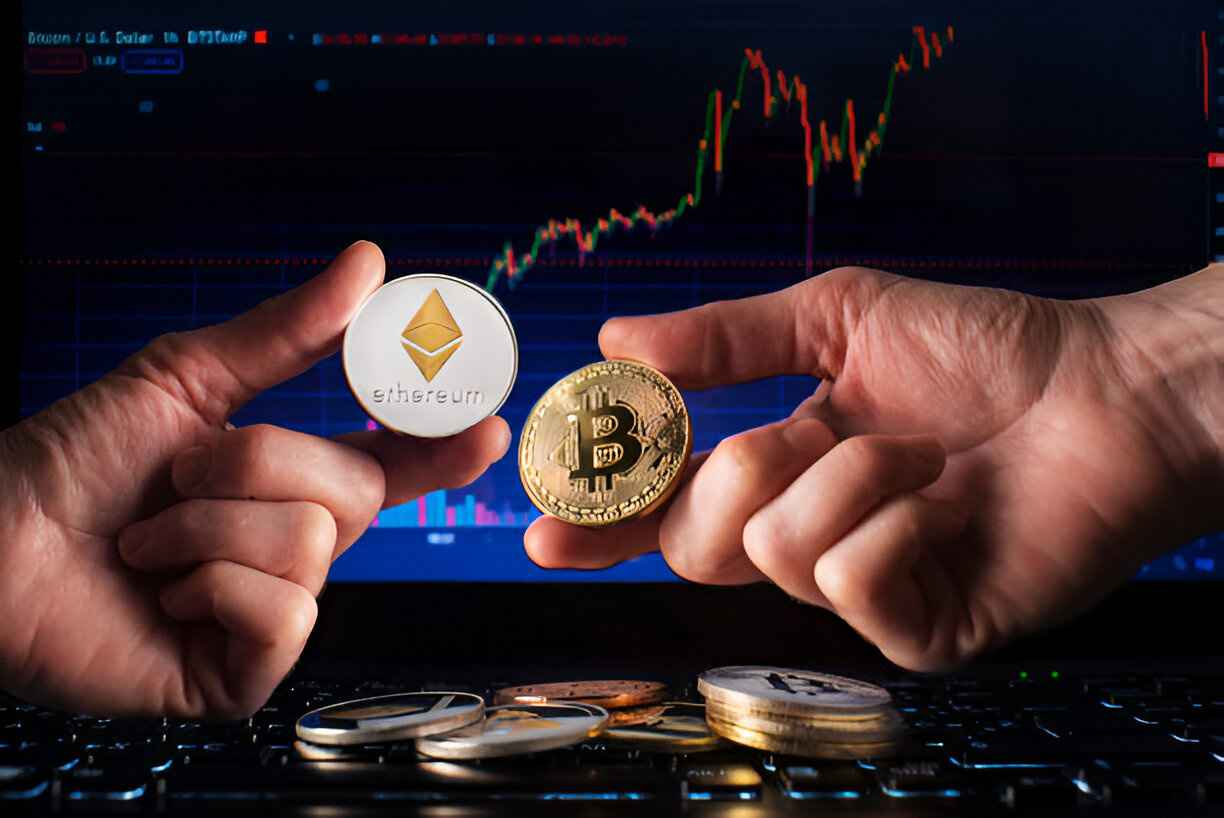
One of the biggest hurdles for DEXs has been interoperability. Currently, most DEXs operate within a single blockchain network. However, cross-chain protocols such as Thorchain and Cosmos are enabling seamless asset swaps between different blockchains. This advancement will allow traders to exchange Bitcoin for Ethereum-based tokens without relying on wrapped assets or centralized bridges.
For example, if Alice wants to swap BTC for ETH, she can now do so directly on a cross-chain DEX rather than using a wrapped version of BTC (wBTC) on Ethereum.
3. Integration of Decentralized Identity (DID) Solutions
Regulatory scrutiny is increasing, and decentralized identity solutions may provide a middle ground between privacy and compliance. Platforms like Polygon ID and zkKYC are exploring ways to enable anonymous yet verifiable identity checks. This could help DEXs meet regulatory standards without compromising user privacy.
4. Algorithmic Market Making and AI-driven Liquidity Management
Automated market makers (AMMs) have already revolutionized liquidity provision, but the next evolution will involve AI-driven liquidity optimization. Machine learning algorithms can predict trading patterns and dynamically adjust liquidity pools, reducing slippage and improving trade execution.
For example, an AI-driven AMM could analyze on-chain data to predict high trading activity periods and rebalance liquidity pools accordingly, ensuring tighter spreads and reduced impermanent loss.
Challenges and Roadblocks
Despite their growth, DEXs still face several challenges that could impact their adoption:
- Regulatory Uncertainty: Governments worldwide are tightening crypto regulations. The SEC’s stance on decentralized platforms remains ambiguous, and compliance frameworks could force DEXs to adapt.
- Scalability Issues: Even with Layer 2 solutions, blockchain congestion can still lead to inefficiencies.
- User Experience: The complexity of using DEXs compared to CEXs remains a barrier for mass adoption.
The Financial Implications of DEX Evolution
To understand the financial benefits of DEXs, let’s consider a scenario:
Assume Bob wants to trade 10 ETH for USDC on both a CEX and a DEX:
- On a CEX, he incurs a 0.1% trading fee and a withdrawal fee of $5.
- On a DEX, he pays a 0.3% swap fee and a $1 gas fee.
| Platform | Trading Fee | Withdrawal Fee | Gas Fee | Total Cost |
|---|---|---|---|---|
| CEX | $2 | $5 | $0 | $7 |
| DEX | $6 | $0 | $1 | $7 |
This example shows that while fees may be similar, DEXs provide better security and transparency.
Conclusion: What’s Next for DEXs?
The future of decentralized exchanges is promising but dependent on technological advancements, regulatory clarity, and user adoption. As Layer 2 scaling, cross-chain interoperability, AI-driven market making, and decentralized identity solutions continue to develop, DEXs will become more competitive with traditional exchanges.
While challenges remain, the benefits of security, transparency, and financial sovereignty make DEXs an indispensable part of the crypto ecosystem. As adoption grows and technology advances, I believe decentralized exchanges will play a dominant role in the future of digital asset trading.
Final Thoughts
Investors and traders must stay informed about the latest developments in DEX technology. Whether you are a retail trader looking to avoid centralized risks or an institutional investor exploring decentralized finance, understanding the evolution of DEXs is essential for navigating the crypto market of the future.