
Introduction
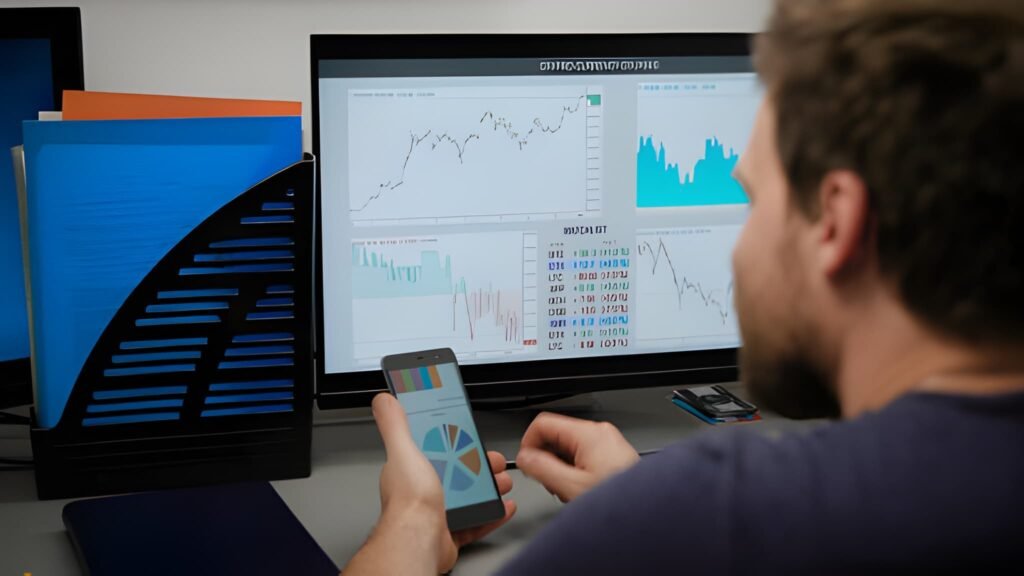
DIY (Do-It-Yourself) algorithmic trading empowers individual traders to design, implement, and execute trading strategies using automated systems. Unlike institutional algorithmic trading, which often relies on proprietary software and advanced infrastructure, DIY algorithmic trading allows retail traders to leverage technology, programming skills, and data analysis to trade systematically. This approach is increasingly popular among U.S. traders who want to maintain full control over their strategies, execution, and risk management.
1. Understanding DIY Algorithmic Trading
DIY algorithmic trading involves creating your own automated trading system to:
- Generate buy and sell signals based on predefined rules.
- Execute trades automatically on broker platforms via APIs.
- Monitor performance, adjust parameters, and optimize strategies.
Advantages:
- Full control over strategy design and execution.
- Flexibility to adapt strategies to personal risk tolerance.
- Cost-effective compared to institutional services.
Disadvantages:
- Requires programming and data analysis skills.
- Time-intensive development and testing.
- Risk of errors or strategy underperformance.
2. Steps to Build a DIY Algorithmic Trading System
2.1 Define Your Trading Strategy
- Identify your market: equities, ETFs, futures, forex, or crypto.
- Choose a strategy type: trend-following, mean reversion, momentum, or arbitrage.
- Specify entry and exit rules using technical indicators or quantitative models.
Example: A simple moving average crossover strategy:
- Buy when the 50-day SMA crosses above the 200-day SMA.
- Sell when the 50-day SMA crosses below the 200-day SMA.
2.2 Select Programming Tools
- Python: Popular for libraries like Pandas, NumPy, TA-Lib, and Backtrader.
- R: Suitable for statistical and quantitative analysis.
- C++ / Java: Used for high-speed execution.
2.3 Acquire Data
- Historical price and volume data for backtesting.
- Real-time market data via broker APIs or data providers.
- Optional: alternative data like sentiment analysis or macroeconomic indicators.
2.4 Backtesting Your Strategy
- Simulate strategy performance using historical data.
- Evaluate metrics: total return, Sharpe ratio, maximum drawdown, win/loss ratio.
Example Backtesting Table:
| Asset | Strategy Type | Annual Return (%) | Max Drawdown (%) | Sharpe Ratio |
|---|---|---|---|---|
| AAPL | SMA Crossover | 18 | 10 | 1.4 |
| SPY | Momentum | 20 | 12 | 1.5 |
| BTC | Mean Reversion | 22 | 15 | 1.3 |
2.5 Risk Management
- Determine position size per trade:
Set stop-loss and take-profit levels.
Diversify across multiple assets to reduce exposure.
2.6 Paper Trading
- Test your algorithm in a simulated environment before deploying real capital.
- Monitor execution, latency, and adherence to rules.
2.7 Deployment
- Connect the algorithm to your broker’s API for live trading.
- Ensure proper logging, error handling, and monitoring.
- Periodically review and optimize the algorithm based on performance.
3. Popular Tools for DIY Algorithmic Trading
- Backtrader: Python library for strategy testing and execution.
- QuantConnect: Cloud-based platform with historical and live market data.
- MetaTrader 4/5: Popular for forex algorithmic trading.
- Interactive Brokers API: Supports equities, options, futures, and forex.
4. Advantages of DIY Algorithmic Trading
- Customization: Tailor strategies to your goals and risk tolerance.
- Cost Savings: Avoid expensive third-party services.
- Learning Opportunity: Gain hands-on experience in programming, finance, and quantitative analysis.
- Flexibility: Easily modify or optimize strategies as markets evolve.
5. Risks and Limitations
- Programming Errors: Bugs in code can cause significant losses.
- Market Risk: Automated strategies cannot eliminate exposure to volatility.
- Data Quality: Poor or incomplete data may lead to incorrect signals.
- Infrastructure Risk: Connectivity issues, server downtime, or API limitations can disrupt trading.
6. Best Practices
- Start small and gradually scale your trading.
- Implement thorough backtesting and paper trading.
- Maintain logs and monitor algorithm performance continuously.
- Use version control for code to track changes and updates.
- Keep risk management and position sizing central to your strategy:
Conclusion
DIY algorithmic trading offers retail traders a structured and automated approach to participate in financial markets. By combining careful strategy design, disciplined risk management, and ongoing monitoring, traders can develop systematic trading systems tailored to their objectives. Whether trading U.S. equities, cryptocurrencies, or forex, a DIY approach allows full control and flexibility while leveraging the advantages of automation and data-driven decision-making.


