
Introduction
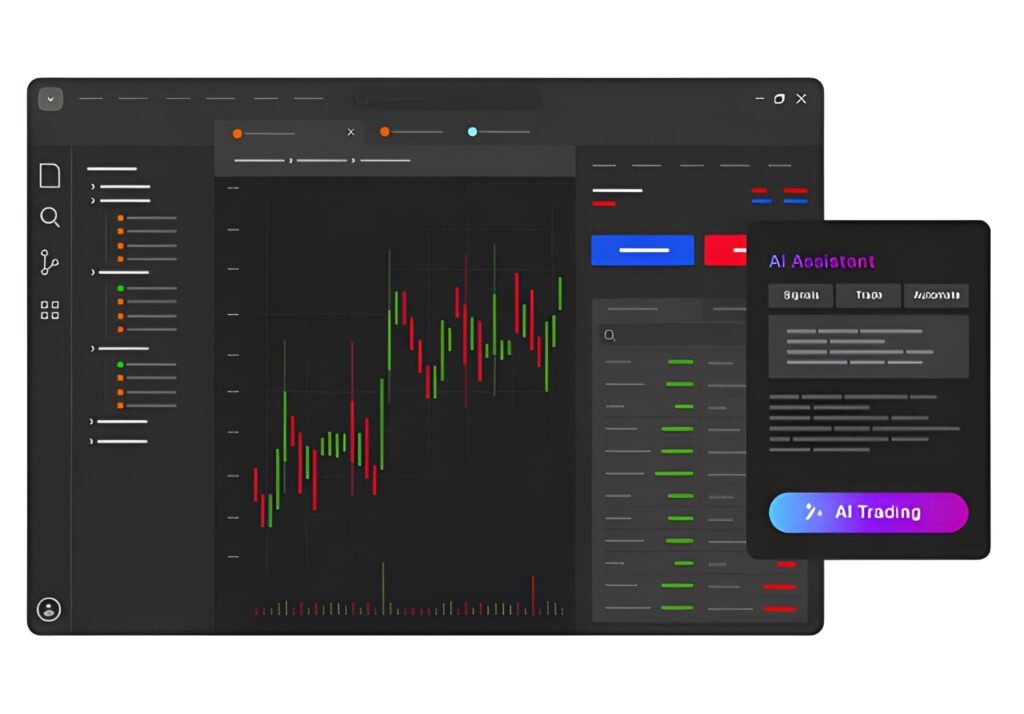
Algorithmic trading software allows traders to automate strategies, execute trades efficiently, and analyze market data in real-time. For U.S. retail and institutional traders, choosing the right software is crucial to implement strategies accurately, reduce execution errors, and manage risk effectively. This article explores the key considerations, features, and top options for buying algorithmic trading software.
1. Understanding Algorithmic Trading Software
Algorithmic trading software is a platform or program that automates trade execution based on predefined rules or strategies. Core components include:
- Strategy Development Tools: Enable coding or configuring trading strategies.
- Backtesting Modules: Simulate strategy performance using historical market data.
- Execution Engine: Connects to brokers and executes trades automatically.
- Analytics and Reporting: Tracks performance, risk metrics, and trade statistics.
Types of Algorithmic Trading Software:
- Retail-Oriented: User-friendly platforms like TradeStation, NinjaTrader, and MetaTrader.
- Institutional-Grade: High-performance software like Bloomberg AIM, FlexTrade, and AlgoTrader.
- Cloud-Based Platforms: QuantConnect, Alpaca, and Interactive Brokers’ cloud APIs.
2. Key Features to Look For
When buying algorithmic trading software, consider these critical features:
2.1 Multi-Asset Support
- Supports U.S. stocks, ETFs, options, futures, and forex.
- Ability to diversify strategies across asset classes.
2.2 Backtesting and Optimization
- Test strategies with historical U.S. market data.
- Evaluate performance using metrics like Sharpe ratio, drawdown, and win/loss ratio.
- Optimize parameters for risk-adjusted returns.
2.3 Real-Time Data and Execution
- Access real-time quotes and market depth.
- Connect seamlessly to brokers for low-latency execution.
- Integrate with APIs for automated order placement.
2.4 Risk Management Tools
- Position sizing formulas:
Automated stop-loss, take-profit, and portfolio diversification controls.
2.5 User Interface and Customization
- Intuitive interface for strategy monitoring.
- Custom scripting or drag-and-drop strategy design.
- Compatibility with Python, C#, or proprietary languages.
3. Popular Algorithmic Trading Software
3.1 TradeStation
- Features: Advanced charting, EasyLanguage coding, backtesting tools.
- Advantages: Strong for technical analysis-based strategies and U.S. equities.
- Considerations: Learning curve for EasyLanguage scripting.
3.2 NinjaTrader
- Features: C# scripting, real-time execution, advanced indicators.
- Advantages: Ideal for futures, forex, and equities.
- Considerations: May require third-party broker integration.
3.3 MetaTrader 4/5
- Features: Popular for forex and CFDs, automated Expert Advisors (EAs).
- Advantages: Easy to use, large community, and extensive indicators.
- Considerations: Limited to forex and CFDs in the U.S.; not ideal for equities.
3.4 QuantConnect
- Features: Cloud-based Python and C# algorithms, multi-asset support.
- Advantages: Scalable, integrates with brokers like Interactive Brokers and Alpaca.
- Considerations: Requires coding skills and cloud dependency.
3.5 Alpaca
- Features: Commission-free trading, Python API, paper trading.
- Advantages: Great for retail U.S. stock traders building Python algorithms.
- Considerations: Limited to U.S. equities; latency not suitable for high-frequency trading.
4. Evaluating Software Before Purchase
When selecting software:
- Strategy Compatibility: Ensure the platform supports your desired trading approach.
- Market Access: Verify connection to U.S. markets and preferred asset classes.
- Cost Structure: Compare license fees, data subscriptions, and broker commissions.
- Support and Community: Check for documentation, tutorials, and active forums.
- Reliability and Security: Evaluate software stability and data security standards.
5. Best Practices for Using Algorithmic Trading Software
- Start with paper trading to test strategies without risking capital.
- Apply risk management rules consistently:
Backtest extensively with historical U.S. market data.
Continuously monitor performance and adjust algorithms for changing market conditions.
Integrate multiple strategies to diversify risk and reduce drawdowns.
6. Advantages of Buying Algorithmic Trading Software
- Automation: Executes trades without emotional bias.
- Efficiency: Processes large data sets and executes orders faster than manual trading.
- Consistency: Follows rules precisely, ensuring disciplined strategy execution.
- Scalability: Handles multiple strategies, accounts, and assets simultaneously.
7. Considerations and Risks
- Overfitting: Optimizing strategies too closely to historical data can reduce future performance.
- Market Volatility: Algorithms may underperform in unusual market conditions.
- Technical Issues: Software bugs, connectivity problems, or server downtime can affect execution.
- Regulatory Compliance: Ensure adherence to SEC, FINRA, and CFTC regulations in the U.S.
Conclusion
Buying algorithmic trading software requires careful evaluation of features, market access, risk management, and execution capabilities. Platforms like TradeStation, NinjaTrader, QuantConnect, and Alpaca offer a range of solutions for retail and institutional traders in U.S. markets. By integrating robust backtesting, disciplined risk management, and continuous monitoring, traders can leverage algorithmic trading software to execute strategies efficiently and systematically.
{\mathrm{Position\ Size}} = \frac{\mathrm{Risk\ Per\ Trade}}{\mathrm{Stop\ Loss\ Distance}}
{\mathrm{Signal}}_t = \mathrm{weighted_vote}(\mathrm{Factor}_1, \mathrm{Factor}_2, \dots, \mathrm{Factor}_n)These formulas demonstrate how risk management and signal aggregation are incorporated into algorithmic trading strategies to maintain disciplined and consistent performance.


