
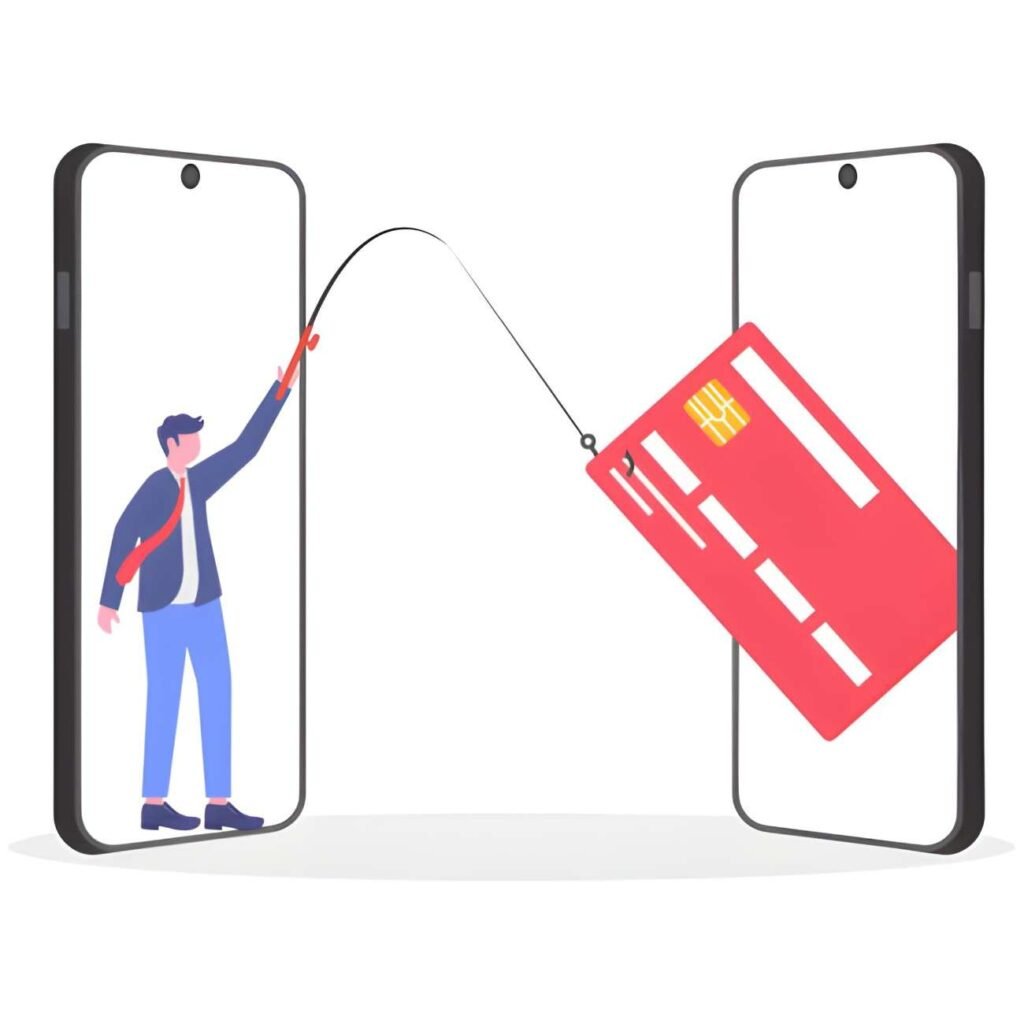
Retirement plans, including 401(k)s, IRAs, and other employer-sponsored accounts, are increasingly digital, making them convenient but also vulnerable to data breaches and cyber threats. Personal and financial information stored in these systems is highly sensitive, and a breach can result in identity theft, financial loss, and compromised retirement security. Understanding the risks and implementing safeguards is essential for both plan sponsors and participants.
Overview of 401(k) and Retirement Plan Data
Retirement accounts store critical information, including:
- Personal Identifiers: Social Security numbers, dates of birth, addresses, and contact information.
- Financial Data: Account balances, contribution history, investment holdings, and employer matching details.
- Authentication Credentials: Login IDs, passwords, PINs, and security questions.
- Transaction Records: Withdrawal requests, loan data, and beneficiary designations.
This information is valuable to cybercriminals because it can be used for identity theft, unauthorized transfers, and financial fraud.
Key Data Breach Risks
1. Phishing and Social Engineering
Fraudsters often use emails, phone calls, or fake websites to trick participants into revealing login credentials.
Example: An employee receives a legitimate-looking email claiming to be from the retirement plan administrator, asking to verify account information. If credentials are provided, the attacker can access the account and initiate unauthorized transactions.
Mitigation:
- Enable multi-factor authentication (MFA).
- Educate participants on recognizing phishing attempts.
- Verify all communications through official channels.
2. Insider Threats
Plan administrators or third-party providers may intentionally or inadvertently expose sensitive data.
Example: A disgruntled employee at a record-keeping firm downloads participant information, creating the potential for identity theft or account manipulation.
Mitigation:
- Implement strict access controls and audit trails.
- Conduct regular background checks and monitor employee activity.
3. Cyberattacks on Record-Keeping Systems
401(k) providers and retirement plan record keepers rely on cloud-based platforms. Breaches can occur through vulnerabilities in software, weak encryption, or outdated security protocols.
Example: A vulnerability in a retirement plan portal allows hackers to bypass authentication, exposing thousands of participant accounts.
Mitigation:
- Ensure providers comply with industry security standards (e.g., SOC 1/2, ISO 27001).
- Conduct regular penetration testing and system updates.
- Use end-to-end encryption for data in transit and at rest.
4. Third-Party Vendor Risks
Many retirement plans outsource administrative functions to external providers. Weak security practices at a vendor can compromise the entire plan.
Example: A payroll company managing contributions suffers a breach, revealing participant names, Social Security numbers, and salary information.
Mitigation:
- Conduct thorough vendor due diligence and require contractual security obligations.
- Periodically audit vendors’ cybersecurity practices.
5. Account Takeover and Unauthorized Transactions
If a participant’s login credentials are stolen, attackers may change investment allocations, initiate loans, or request early withdrawals.
Example: Unauthorized transfer of 401(k) funds to a fraudulent account can result in tax penalties and permanent loss if not detected quickly.
Mitigation:
- Monitor accounts for unusual activity.
- Establish alerts for large transactions or changes to personal information.
- Implement daily reconciliation and verification procedures.
6. Data Loss from Ransomware or System Failures
Ransomware attacks can encrypt plan data, preventing access to account information and transaction history.
Mitigation:
- Maintain secure, off-site backups.
- Develop an incident response plan to restore systems quickly.
- Ensure backup data is encrypted and regularly tested.
Regulatory and Legal Considerations
Retirement plan sponsors and administrators are subject to regulatory requirements:
- ERISA (Employee Retirement Income Security Act): Imposes fiduciary duties to protect plan assets, including safeguarding participant data.
- Department of Labor Guidance: Encourages robust cybersecurity measures for plan record keepers and fiduciaries.
- State Data Protection Laws: Some states, such as California’s CCPA, impose additional requirements for breach notification and data handling.
- Notification Requirements: Data breaches often require prompt notification to affected participants and regulatory authorities.
Failure to comply can result in fines, legal liability, and reputational damage.
Best Practices to Mitigate Data Breach Risks
For Plan Sponsors:
- Conduct cybersecurity risk assessments regularly.
- Require third-party providers to adhere to strict security standards.
- Limit access to sensitive data on a need-to-know basis.
- Educate employees and participants about phishing and fraud prevention.
For Participants:
- Use strong, unique passwords and update them regularly.
- Enable multi-factor authentication where available.
- Monitor account activity and set up transaction alerts.
- Verify communications from plan administrators before providing information.
Technology and Monitoring:
- Use encryption for all sensitive data.
- Implement intrusion detection and anomaly monitoring systems.
- Maintain incident response and disaster recovery plans.
Scenario Illustration
Assume a 401(k) plan with 5,000 participants experiences a data breach exposing Social Security numbers and account balances. Potential consequences include:
- Identity theft affecting hundreds of participants.
- Unauthorized early withdrawals leading to tax penalties.
- Fiduciary investigations and lawsuits against plan sponsors.
Preventative measures—such as multi-factor authentication, encryption, and employee training—can reduce the likelihood and impact of such incidents.
Conclusion
Data breach risks for 401(k) and retirement plans are significant due to the sensitive nature of personal and financial information. Threats include phishing, insider risks, system vulnerabilities, vendor breaches, account takeovers, and ransomware attacks. Both plan sponsors and participants must implement robust security measures, adhere to regulatory requirements, and maintain ongoing vigilance. By proactively addressing cybersecurity risks, retirement plans can protect participant data, preserve account integrity, and maintain confidence in long-term financial security.



