
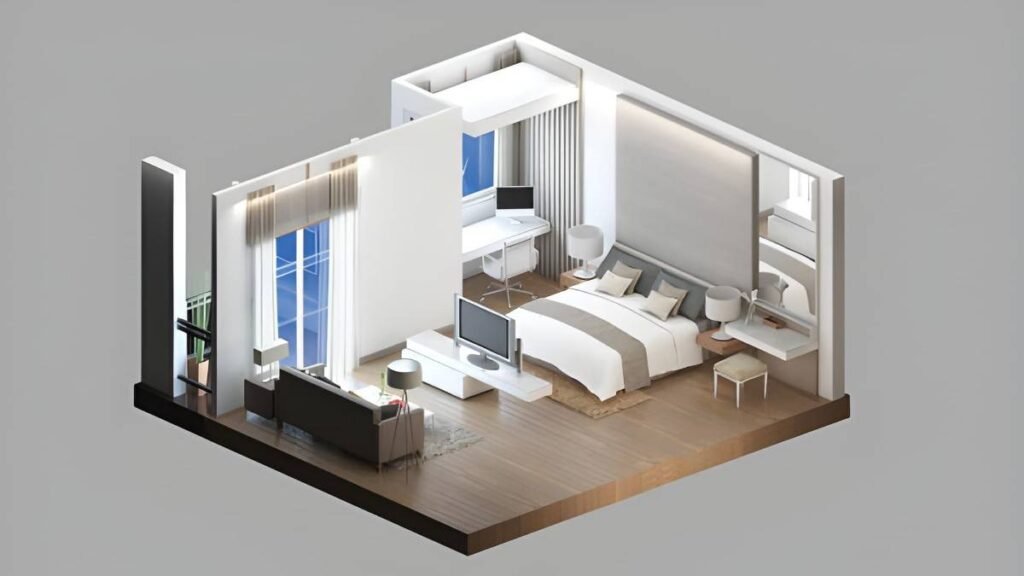
Contemporary retirement home plans reflect modern approaches to senior living, combining comfort, security, healthcare, and lifestyle amenities. Unlike traditional nursing homes, these plans are designed to offer retirees autonomy, community engagement, and flexible services while addressing their long-term financial and health needs.
1. Understanding Contemporary Retirement Homes
A contemporary retirement home, often referred to as senior living or independent living communities, is structured to provide:
- Private or semi-private residences with independent living facilities
- Access to healthcare and support services if needed
- Amenities such as dining, fitness centers, recreational activities, and social programs
- Flexible care options, ranging from minimal assistance to full-service care, depending on the resident’s health over time
These homes aim to balance independence with safety and convenience, making them increasingly popular among retirees who prioritize quality of life.
2. Types of Contemporary Retirement Home Plans
a. Independent Living Communities
- Designed for active seniors who need little to no assistance with daily activities
- Focus on social interaction, leisure activities, and convenience
- Often includes meal services, housekeeping, transportation, and community events
Example: A retiree rents a private apartment, pays a monthly fee for meals, cleaning, and wellness programs, while maintaining personal independence.
b. Assisted Living Communities
- Suitable for retirees requiring help with daily activities such as bathing, dressing, and medication management
- Staff available 24/7 for support
- Often includes wellness programs, recreational activities, and social engagement
Example: Monthly fees cover care services, meals, and health monitoring. Residents maintain a level of independence but receive assistance as needed.
c. Continuing Care Retirement Communities (CCRCs)
- Offers a full spectrum of care: independent living, assisted living, and skilled nursing under one contract
- Allows residents to age in place without relocating as care needs increase
- Typically requires an entrance fee plus monthly payments, which may vary depending on services used
Example Calculation:
Entrance fee: $250,000
Monthly fee for independent living: $3,000
Monthly fee for assisted living (if needed later): $4,500
d. Memory Care Units
- Specialized care for retirees with cognitive impairments or Alzheimer’s disease
- Secure facilities with tailored programs and highly trained staff
- Often part of assisted living or CCRC communities
3. Financial Considerations
When evaluating contemporary retirement home plans, retirees should consider:
- Entrance Fees vs. Monthly Fees: Some communities require a significant upfront payment, while others operate on monthly-only payments.
- Healthcare Services: Evaluate the scope and cost of medical care and long-term assistance.
- Inflation Protection: Some contracts include adjustments to account for rising costs over time.
- Lifestyle Amenities: Access to social, recreational, and wellness programs contributes to overall satisfaction and quality of life.
- Resale or Refund Policies: Certain CCRCs provide partial refund options if a resident moves or passes away.
Example: Monthly Cost Analysis
| Service Type | Monthly Fee | Included Services |
|---|---|---|
| Independent Living | $3,000 | Meals, housekeeping, wellness programs, transportation |
| Assisted Living | $4,500 | Personal care, medication management, daily assistance |
| Skilled Nursing | $6,500 | 24-hour medical care, rehabilitation services |
4. Benefits of Contemporary Retirement Home Plans
- Safety and Security: Staff support and emergency systems reduce risk for seniors living alone.
- Health Support: On-site healthcare services and monitoring improve wellness outcomes.
- Social Engagement: Community activities reduce loneliness and promote mental health.
- Convenience: Services like housekeeping, meal preparation, and transportation simplify daily life.
- Flexibility: Residents can move to higher levels of care as their needs change without leaving the community.
5. Potential Limitations
- High Cost: Entrance fees and monthly charges may be significant, requiring careful financial planning.
- Adjustment Period: Transitioning to community living may require social and psychological adaptation.
- Contract Complexity: Long-term agreements may include fees, restrictions, and policies that require careful review.
6. Choosing the Right Plan
Retirees should consider:
- Health Status and Future Needs: Assess current independence and potential long-term care requirements.
- Financial Capacity: Evaluate savings, retirement income, and potential healthcare costs.
- Lifestyle Preferences: Determine the importance of social, recreational, and wellness activities.
- Location and Accessibility: Proximity to family, medical centers, and community resources matters.
- Reputation and Quality: Research community reviews, staff credentials, and inspection reports.
Conclusion
Contemporary retirement home plans provide a flexible, supportive, and engaging environment for seniors seeking independence while addressing healthcare and lifestyle needs. With various options ranging from independent living to continuing care retirement communities, retirees can tailor their living arrangements to match personal health, financial capacity, and lifestyle preferences. Proper planning and careful evaluation ensure that these retirement homes contribute to a secure, comfortable, and fulfilling retirement.



