
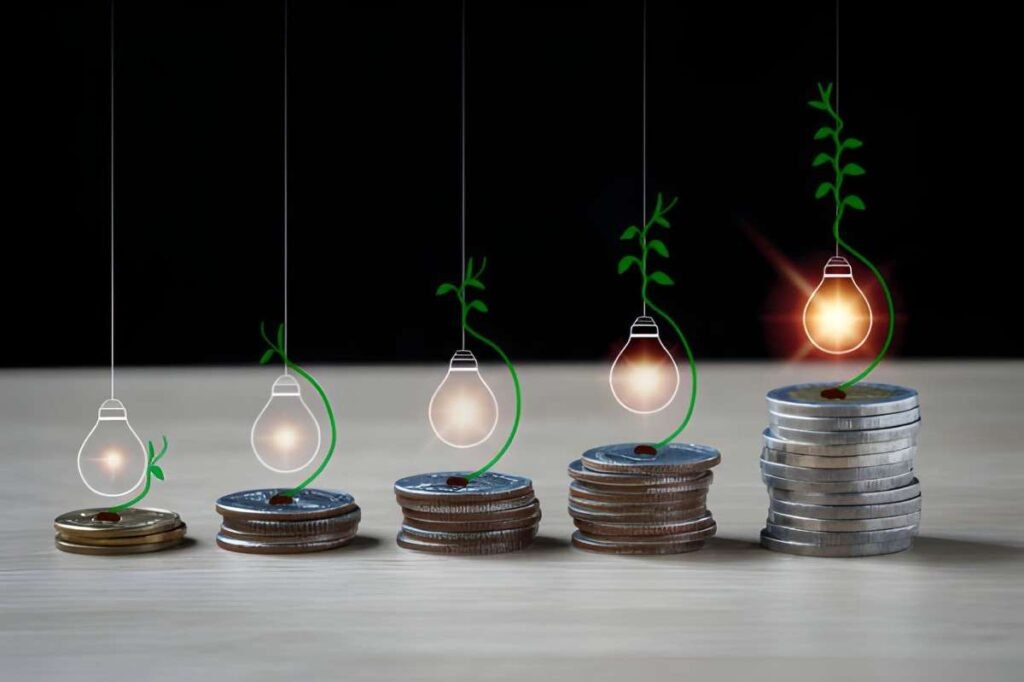
Economic growth strategies often evolve depending on a country’s stage of development, structural needs, and long-term objectives. Transitioning from consumption-led growth to investment-led growth is a common path for economies seeking sustainable, high-quality growth. This approach shifts the primary driver of economic expansion from household spending to capital formation, infrastructure development, and productivity-enhancing investments.
Understanding the Two Growth Models
Consumption-Led Growth
Consumption-led growth relies on household and private sector spending to drive economic expansion. It is characterized by:
- High consumer demand for goods and services
- Rapid GDP growth in the short term
- Employment generation through labor-intensive sectors
- Sensitivity to consumer confidence, income levels, and debt
While effective for stimulating immediate economic activity, overreliance on consumption can limit long-term productivity gains.
Investment-Led Growth
Investment-led growth emphasizes capital formation and productive investments in infrastructure, technology, and industrial capacity. Its characteristics include:
- Expansion of productive capacity
- Long-term sustainable GDP growth
- Indirect employment through construction and industrial activity
- Enhancement of productivity and competitiveness
Investment-led growth is essential for economies aiming to increase output potential and reduce vulnerability to external demand shocks.
Why Transition from Consumption to Investment?
- Sustainability of Growth: Consumption-driven expansion may plateau as household debt limits further spending, whereas investment expands productive capacity.
- Improving Productivity: Capital investments, research, and infrastructure increase efficiency and economic potential.
- Economic Diversification: Investment in sectors like manufacturing, technology, and renewable energy diversifies the economic base.
- Reducing Vulnerability: Dependence on consumer spending makes an economy sensitive to external shocks; investment provides stability.
- Attracting Foreign Investment: Strong infrastructure and industrial capacity attract foreign direct investment (FDI), boosting growth further.
Example of Transition
Assume a country has GDP composed of 70% consumption and 30% investment. Over time, the government implements policies to stimulate industrial development and infrastructure projects, aiming for a 50% consumption and 50% investment balance.
- Short-Term Effect: GDP growth may temporarily slow as savings are diverted from consumption to investment.
- Long-Term Effect: Increased productivity, export capacity, and industrial output lead to higher sustainable growth.
Policy Tools to Facilitate Transition
- Tax Incentives for Investment: Reducing corporate tax on capital expenditures encourages businesses to expand productive capacity.
- Infrastructure Spending: Government-led investment in transportation, energy, and digital infrastructure supports industrial growth.
- Credit and Financing Mechanisms: Low-interest loans and development banks enable businesses to undertake large-scale investments.
- Education and Workforce Development: Enhancing skills ensures that investment translates into higher productivity.
- Regulatory Reforms: Streamlining business approvals and reducing bureaucratic barriers attracts private investment.
Risks and Challenges
- Short-Term Slowdown: Reducing consumption to boost investment can temporarily dampen GDP growth.
- Misallocation of Capital: Poorly planned investments may lead to overcapacity or “white elephant” projects.
- Debt Accumulation: Financing large investments through borrowing can increase public debt risk.
- Transition Management: Balancing consumption and investment requires careful macroeconomic coordination.
Example Calculation
If a government diverts $50 billion from consumption subsidies to infrastructure investment, with an investment multiplier of 1.5:
GDP\ Increase = 50{,}000{,}000{,}000 \times 1.5 = 75{,}000{,}000{,}000- Although household consumption decreases, the long-term GDP potential rises due to productive capacity expansion.
Benefits of Investment-Led Growth
| Aspect | Consumption-Led | Investment-Led |
|---|---|---|
| Growth Horizon | Short-term | Long-term |
| Productivity | Limited | Significant |
| Stability | Sensitive to shocks | More stable |
| Employment | Immediate | Gradual, but sustainable |
| Capital Formation | Low | High |
Conclusion
Transitioning from consumption-led to investment-led growth is essential for economies seeking sustainable, high-quality development. While consumption can drive immediate economic activity, long-term prosperity depends on investment in infrastructure, industry, and technology. Effective policy implementation, strategic financing, and careful balancing of short-term and long-term objectives enable economies to increase productive capacity, improve competitiveness, and maintain stable, resilient growth.



