
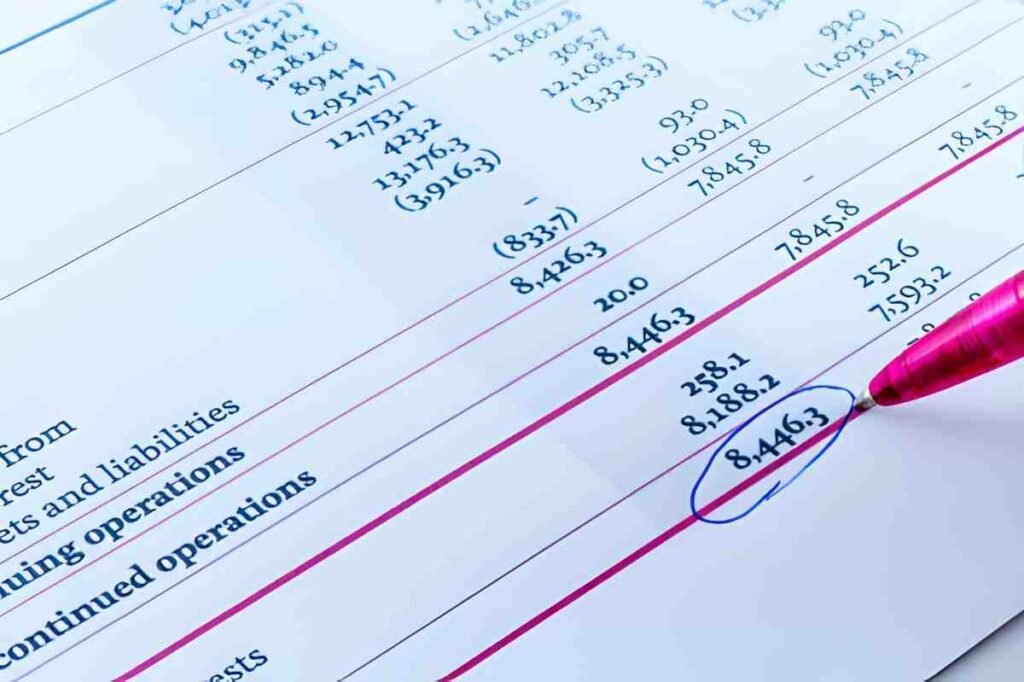
Investments are a critical component of a company’s balance sheet, reflecting capital allocated to earn income, gain market exposure, or achieve strategic objectives. The reported value of investments changes over time due to market fluctuations, dividends or interest accruals, impairments, or disposals. Understanding how these changes are recognized and presented on the balance sheet is essential for accurate financial reporting, investor analysis, and strategic decision-making.
Categories of Investments
Investments are typically classified into three main categories, each with distinct accounting treatments:
| Investment Type | Purpose | Balance Sheet Measurement | Gain/Loss Recognition |
|---|---|---|---|
| Trading Securities | Short-term profit | Fair value | Net income |
| Available-for-Sale (AFS) Securities | Medium-to-long term | Fair value | OCI until realized |
| Held-to-Maturity (HTM) Securities | Fixed-term income | Amortized cost | Not recognized until sale or impairment |
The classification dictates how changes in investment value are recorded and reported.
Recording Changes in Fair Value
Trading Securities
- Reported at fair value on the balance sheet.
- Unrealized gains and losses are recognized immediately in net income.
- Example:
- Investment: $100,000
- Year-end fair value: $110,000
- Entry:
- Debit: Investment $10,000
- Credit: Unrealized Gain on Investments (Income Statement) $10,000
Available-for-Sale (AFS) Securities
- Also reported at fair value on the balance sheet.
- Unrealized gains and losses bypass net income and are recorded in Other Comprehensive Income (OCI).
- Realized gains or losses are recognized in net income when the investment is sold.
- Example:
- Investment: $200,000
- Fair value rises to $220,000
- Entry:
- Debit: Investment $20,000
- Credit: OCI – Unrealized Gain $20,000
Held-to-Maturity (HTM) Securities
- Reported at amortized cost, not fair value.
- Changes in market value do not affect the balance sheet unless an impairment occurs.
- Example:
- Investment cost: $150,000
- Amortized value: $152,000
- Fair value: $160,000 (not recorded)
- Only interest accruals affect the balance sheet until sale or impairment.
Adjustments for Impairment
When an investment’s value declines permanently, an impairment loss must be recognized:
- Debit: Impairment Loss (Income Statement)
- Credit: Investment (Balance Sheet)
Example:
- Investment: $120,000
- Fair value declines to $100,000, deemed other-than-temporary
- Entry:
- Debit: Impairment Loss $20,000
- Credit: Investment $20,000
Impairment ensures the balance sheet reflects recoverable value rather than market volatility.
Dividends, Interest, and Accrued Income
Changes in investment value are not limited to market price. Accrued interest or dividends also adjust the balance sheet:
- Cash dividends declared but not yet received:
- Debit: Dividend Receivable
- Credit: Dividend Income
- Interest on bonds:
- Debit: Interest Receivable
- Credit: Interest Income
These entries increase the carrying value of the investment on the balance sheet indirectly through receivables.
Sale of Investments
When an investment is sold, the carrying value is removed from the balance sheet, and realized gains or losses are recognized:
- Entry for sale above carrying value:
- Debit: Cash (proceeds)
- Credit: Investment (cost)
- Credit: Gain on Sale of Investments (Income Statement)
- Entry for sale below carrying value:
- Debit: Cash (proceeds)
- Debit: Loss on Sale of Investments
- Credit: Investment (cost)
Illustrative Balance Sheet Presentation
| Investment Type | Cost / Amortized Value | Fair Value / Carrying Value | Unrealized Gain/Loss |
|---|---|---|---|
| Trading | $100,000 | $110,000 | Recognized in Net Income |
| AFS Securities | $200,000 | $220,000 | $20,000 in OCI |
| HTM Securities | $150,000 | $152,000 (amortized cost) | Not recognized unless impaired |
This table clarifies how the balance sheet reflects investment value under different accounting treatments.
Key Considerations
- Market Volatility: Changes in fair value may significantly affect equity for trading and AFS investments.
- Tax Implications: Realized gains and losses are taxable; unrealized changes in OCI may create deferred tax effects.
- Liquidity and Strategy: Reporting changes on the balance sheet can guide decisions on selling, holding, or hedging investments.
- Disclosure Requirements: Companies must disclose investment classifications, fair value methods, and unrealized gains/losses in footnotes.
Conclusion
The change in investment value reported on the balance sheet depends on the classification, accounting treatment, and purpose of the investment. Trading securities reflect real-time gains or losses in net income, AFS investments recognize fluctuations in OCI, and HTM securities remain at amortized cost unless impaired. Accurate reporting ensures transparency, informs investors, and supports strategic financial decisions. Understanding these mechanisms allows companies to present a faithful representation of investment performance and balance sheet strength.



