
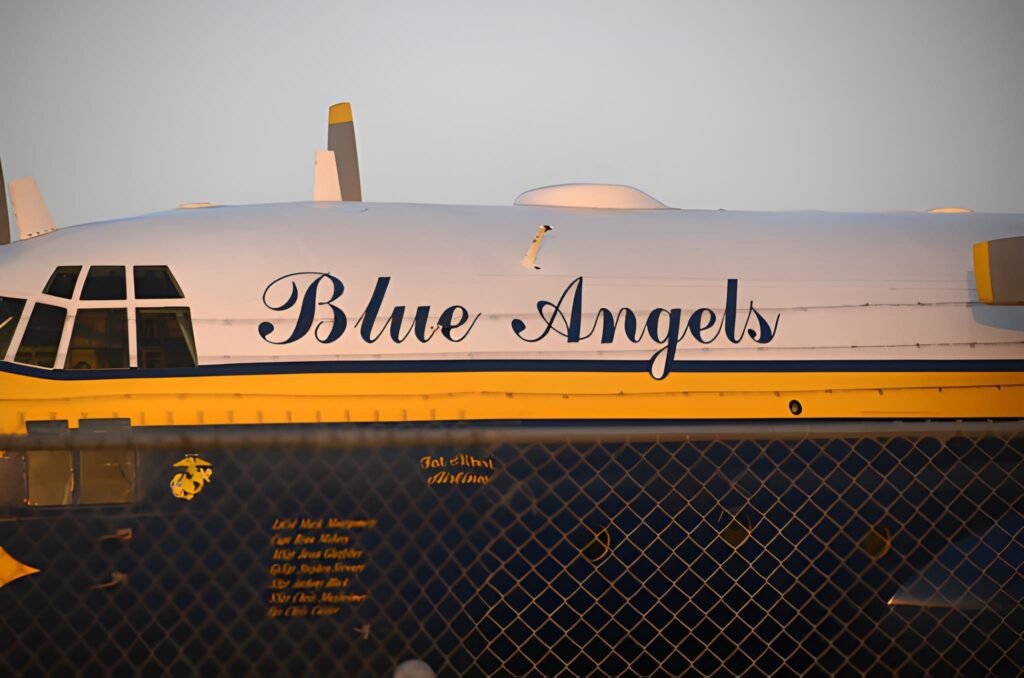
As someone who has advised both government agencies and nonprofit organizations on asset management, I approach the retirement of Blue Angels aircraft with a unique perspective that balances historical preservation, educational value, and fiscal responsibility. These retired aircraft represent not just military hardware, but national treasures that tell the story of naval aviation excellence. In this analysis, I will examine the financial, operational, and strategic considerations involved in managing these retired assets.
Table of Contents
The Lifecycle of Blue Angels Aircraft
Service Duration and Retirement Criteria
Blue Angels aircraft typically serve for approximately 5-7 years in the demonstration squadron before being rotated out. The retirement decision involves multiple factors:
Retirement Score = \frac{Flight Hours}{Maximum Allowable} + \frac{Maintenance Costs}{Replacement Value} + Operational Obsolescence FactorWhen this score exceeds a predetermined threshold, typically around 1.8-2.0, retirement proceedings begin.
Current Inventory of Retired Aircraft
Based on publicly available information, the Blue Angels have retired numerous aircraft throughout their history:
| Aircraft Type | Years in Service | Number Retired | Current Status |
|---|---|---|---|
| F/A-18 Hornet | 1986-2020 | ~40 | Museums, gate guards, training aids |
| A-4 Skyhawk | 1974-1986 | 12 | Primarily in museums |
| F-4 Phantom | 1969-1974 | 8 | Museum displays |
| F-11 Tiger | 1957-1969 | 10 | Mostly preserved |
Financial Considerations in Aircraft Retirement
Asset Valuation Framework
Retired military aircraft have complex valuation metrics:
Intrinsic Value Components:
- Scrap metal value: $50,000-200,000 depending on aircraft size
- Spare parts value: $100,000-500,000 for serviceable components
- Historical significance: Priceless but non-monetized
Valuation Formula:
Total Value = Scrap Value + Parts Value + (Insurance Value \times Historical Coefficient)Where the historical coefficient ranges from 1.5 for common aircraft to 10.0 for unique historical pieces.
Disposition Options and Financial Impact
Museum Donation:
- Immediate tax deduction: Fair market value
- Storage cost avoidance: $15,000-30,000 annually
- Public relations value: Significant but non-quantified
Gate Guard Duty:
- Initial preparation cost: $25,000-50,000
- Ongoing maintenance: $5,000-10,000 annually
- Base security enhancement: Non-monetized benefit
Parts Reclamation:
- Immediate revenue: $100,000-400,000
- Support for active fleet: Operational readiness impact
- Reduced new parts procurement: Cost avoidance
Preservation and Maintenance Costs
Static Display Maintenance Budget
For museum-preserved aircraft:
Annual Costs:
- Cosmetic maintenance: $8,000-15,000
- Environmental controls: $5,000-12,000
- Insurance: $2,000-8,000
- Security: $3,000-10,000
Where location factor ranges from 0.8 for ideal indoor storage to 1.5 for outdoor displays in harsh climates.
Restoration Cost Analysis
Major restoration projects involve:
Phase 1: Assessment ($10,000-25,000)
- Structural inspection
- Systems evaluation
- Historical research
Phase 2: Disassembly ($25,000-75,000)
- Safe dismantling
- Parts cataloging
- Damage documentation
Phase 3: Restoration ($100,000-400,000)
- Structural repairs
- Surface treatment
- Component refurbishment
Phase 4: Reassembly ($50,000-150,000)
- Structural integration
- Systems reinstallation
- Quality verification
Strategic Allocation Methodology
Museum Placement Algorithm
I’ve developed a weighted scoring system for placement decisions:
Placement Score = 0.3 \times Museum Quality + 0.25 \times Visitor Traffic + 0.2 \times Geographic Distribution + 0.15 \times Educational Programs + 0.1 \times Preservation CapabilityScores above 80 qualify for premium aircraft, 60-79 for standard aircraft, below 60 typically not considered.
Geographic Distribution Strategy
The Navy maintains a strategic distribution pattern:
Primary Considerations:
- Population centers within 200 miles
- Proximity to naval facilities
- Regional representation balance
- Tourist traffic patterns
Current Distribution:
- West Coast: 35% of preserved aircraft
- East Coast: 40% of preserved aircraft
- Midwest: 15% of preserved aircraft
- South: 10% of preserved aircraft
Educational Value Assessment
STEM Impact Metrics
Retired aircraft serve as powerful educational tools:
Annual Educational Impact:
- Student visitors: 500,000-750,000
- STEM program participants: 50,000-100,000
- Volunteer hours: 100,000-200,000
Where impact factor ranges from 1.0 for general tours to 3.0 for structured STEM programs.
Recruitment Value
The Blue Angels’ retired aircraft contribute to naval recruitment:
Recruitment Impact = \frac{Visitor Contacts}{Conversion Rate} \times Lifetime ValueEstimated annual value: $2-5 million in recruitment benefits
Preservation Challenges
Environmental Considerations
Indoor Preservation:
- Temperature control: 65-75°F
- Humidity control: 40-50% RH
- UV protection: Required
- Air quality: Filtration needed
Outdoor Display:
- Corrosion protection: Ongoing challenge
- Paint degradation: 5-7 year refinishing cycle
- Structural stress: Wind, temperature variations
- Vandalism risk: Security requirements
Parts Availability
Vintage aircraft face parts obsolescence:
Critical Challenges:
- Manufacturer no longer in business
- Original tooling unavailable
- Regulatory restrictions on replacements
- Skillset availability for repairs
Financial Modeling for Long-Term Preservation
Endowment Calculation
For permanent preservation, I recommend:
Endowment Required = \frac{Annual Maintenance Cost}{Conservative Return Rate}For $50,000 annual maintenance:
Endowment = \frac{50000}{0.04} = \$1,250,000Funding Sources Analysis
Current Funding Mix:
- Federal appropriations: 40%
- Private donations: 35%
- Corporate sponsorships: 15%
- Museum revenues: 10%
Optimal Funding Strategy:
- 50% endowment income
- 30% annual fundraising
- 20% operational revenues
Case Study: F/A-18 Retirement Program
Disposition Strategy
The recent retirement of F/A-18 Hornets followed this pattern:
Allocation:
- 50% to museums and educational institutions
- 25% for gate guard duty
- 15% for parts reclamation
- 10% for historical preservation
Financial Impact:
- Parts reclamation value: $45 million
- Preservation cost avoidance: $12 million annually
- Educational value: Priceless
Implementation Timeline
Year 1: Assessment and planning
- Aircraft evaluation
- Recipient identification
- Logistics planning
Year 2: Initial dispositions
- Premier museums receive aircraft
- Major installations get gate guards
- Parts reclamation begins
Year 3-5: Continued placement
- Secondary institutions receive aircraft
- Educational programs established
- Ongoing maintenance protocols implemented
Best Practices in Aircraft Preservation
Condition Assessment Protocol
I recommend this standardized assessment:
Structural Integrity (40% weight)
- Frame condition
- Surface corrosion
- Stress damage
Systems Completeness (30% weight)
- Original components
- Working condition
- Documentation available
Historical Significance (30% weight)
- Service history
- Uniqueness
- Historical importance
Preservation Standards
Level 1: Museum Quality
- Fully restored to original condition
- Indoor, climate-controlled environment
- Comprehensive documentation
Level 2: Display Quality
- Cosmetically restored
- Protected outdoor or basic indoor display
- Good condition maintained
Level 3: Static Display
- Functional appearance
- Basic preservation
- Outdoor display acceptable
Future Considerations
F-35 Transition Implications
The upcoming transition to F-35 aircraft will require:
Planning Horizon:
- 5-year transition period
- Gradual phase-out of current aircraft
- Strategic preservation planning
Financial Impact:
- Higher preservation costs for advanced aircraft
- Increased technical complexity
- Greater historical significance
Digital Preservation
Complementary strategies:
- 3D scanning and documentation
- Virtual reality experiences
- Digital archives and databases
Conclusion
The retirement and preservation of Blue Angels aircraft represents a complex interplay of historical preservation, financial responsibility, and educational mission. By applying rigorous financial analysis and strategic planning, these national treasures can be preserved for future generations while maintaining fiscal responsibility.
The optimal approach involves:
- Comprehensive assessment of each aircraft’s condition and historical significance
- Strategic placement based on educational impact and preservation capability
- Adequate funding through endowments and diversified revenue streams
- Professional maintenance following established preservation standards
- Ongoing evaluation to ensure long-term sustainability
Key Recommendations
- Establish a $10 million preservation endowment
- Develop standardized assessment and maintenance protocols
- Create a strategic placement plan ensuring geographic diversity
- Implement digital preservation initiatives
- Enhance educational programming around preserved aircraft
Financial Projections
- Annual preservation cost: $2-4 million for current inventory
- Endowment requirement: $50-100 million for permanent preservation
- Educational value: 1 million+ student contacts annually
- Recruitment value: $3-6 million annually
By treating these retired aircraft as both historical artifacts and educational assets, we can honor their service while continuing their mission of inspiring future generations. The careful stewardship of these aircraft represents not just preservation of the past, but investment in the future.



